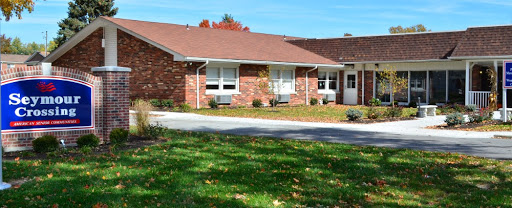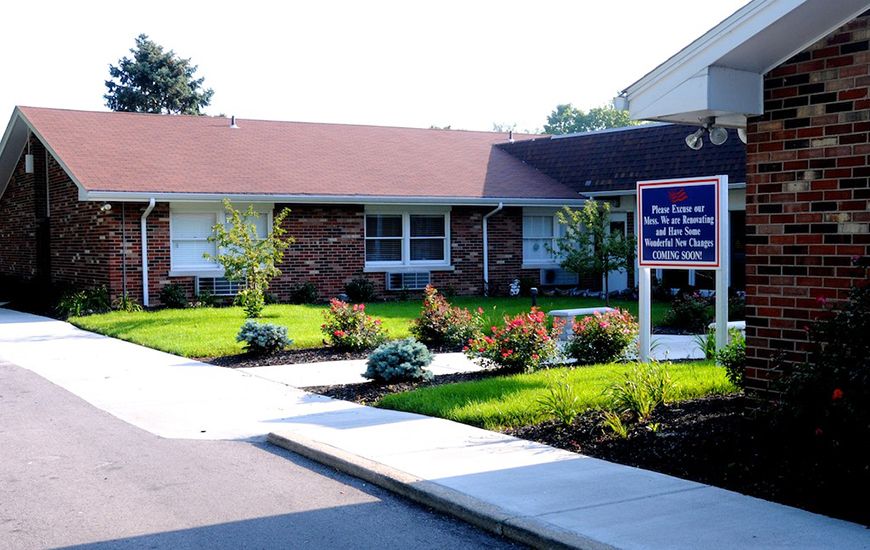

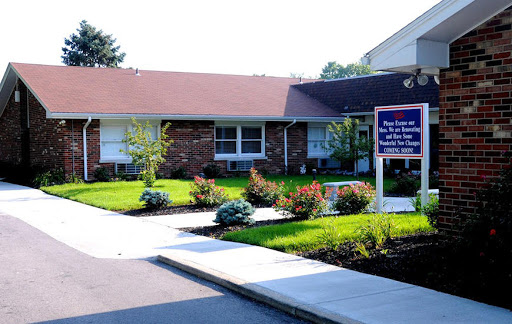

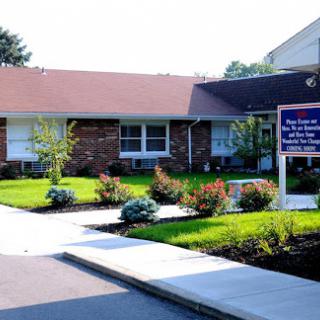

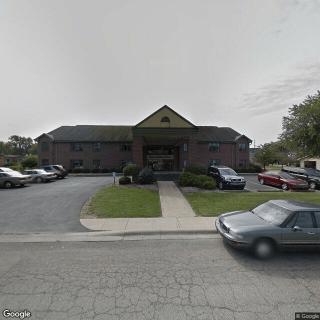
707 South Jackson Park Drive, Seymour, IN 47274
For more information about senior living options: (866) 208-4318
Overall Review of Seymour Crossing
Pros
 The staff across roles provide excellent service.
- The CNA, management, nurses, and housekeeping all do an excellent job.
- The staff are caring toward residents.
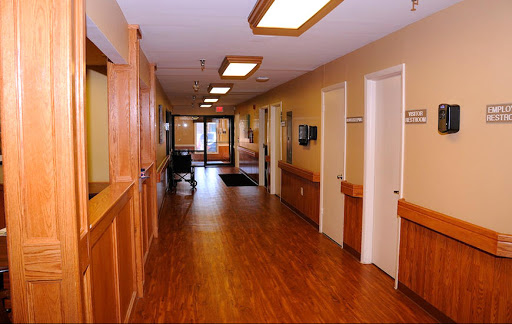
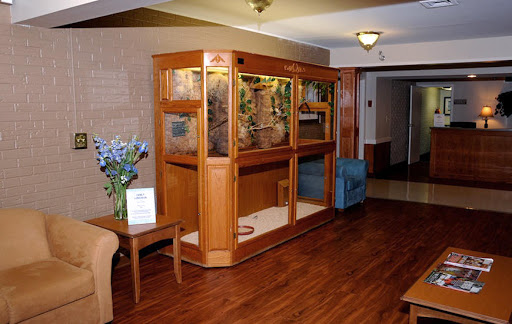
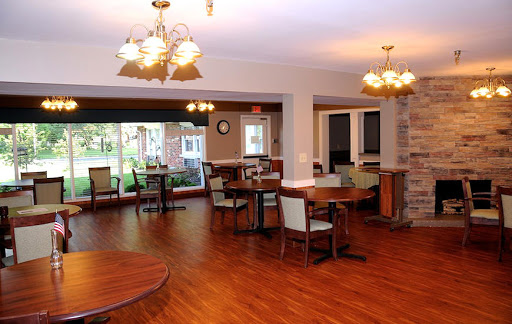
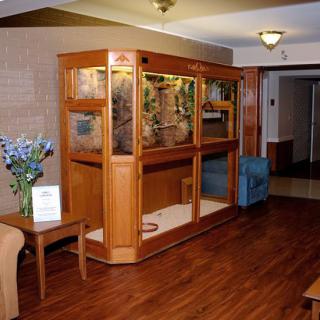
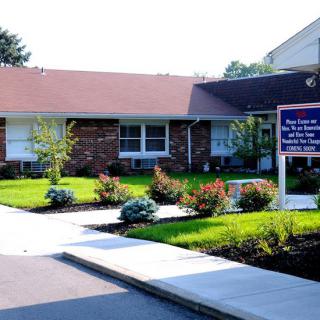
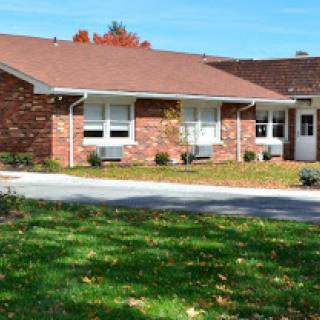
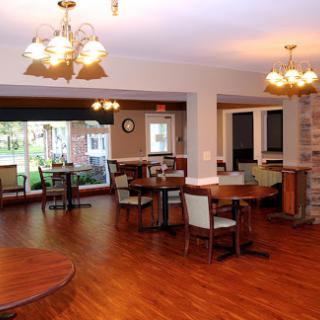
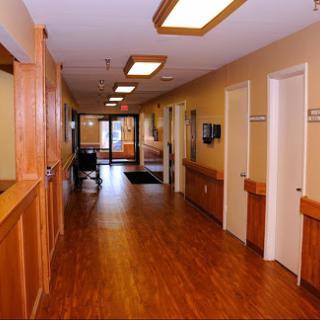
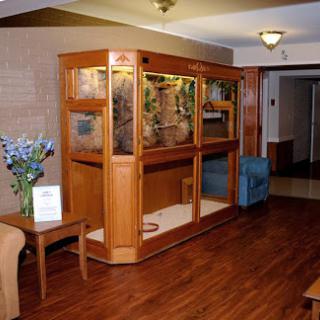
- The facility is clean and well kept inside and out.
- Residents form friendships and participate in social activities, like Euchre in the hall lounge.
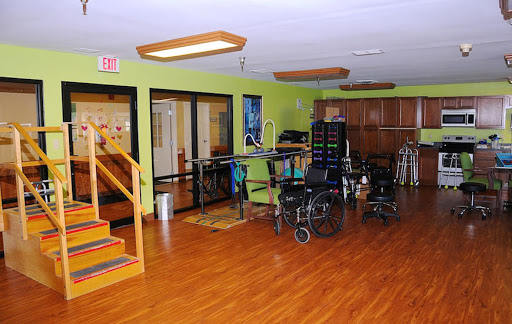
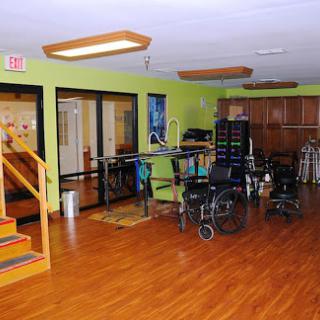
- The therapy department works wonders and contributes to many success stories.
- The dietary service is exceptional.
- The facility treats residents and staff like family.
- The staff are friendly and professional, and they go above and beyond to accommodate families.
- The care and kindness shown to residents are overwhelming.
- Great location with a welcoming community.
- The facility is beautiful and clean, and it is highly recommended.
Cons
 They don’t treat their people right; honestly is the worst place for anyone to be put in.
- Her mother and probably many others have died from this place; don’t put your loved ones in here.
- They almost killed her; she had an infection and they didn’t treat it, so she had to be taken to the hospital by ambulance or she would have died.
Review
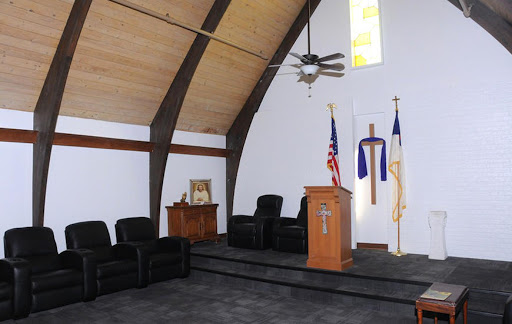
Seymour Crossing is a compelling choice for seniors who prize a genuine, family-like culture, a solid daily rhythm, and staff who genuinely treat residents with warmth and respect. The community earns praise for a clean, well-kept environment and a therapy program that delivers real, observable gains. Residents connect through social activities, hallway conversations, and shared interests, with chapels, games, and gatherings reinforcing a sense of belonging. The kitchen, housekeeping, maintenance, and administration are repeatedly cited for reliability, clear communication, and accessible staff. For families seeking a place where care feels personal and residents are seen as people, not numbers, Seymour Crossing delivers. The strongest fit includes couples and social seniors who want to stay engaged while receiving the practical help that comes with assisted living. It is especially appealing to those who value continuity of relationships and a community that treats everyday life with dignity.
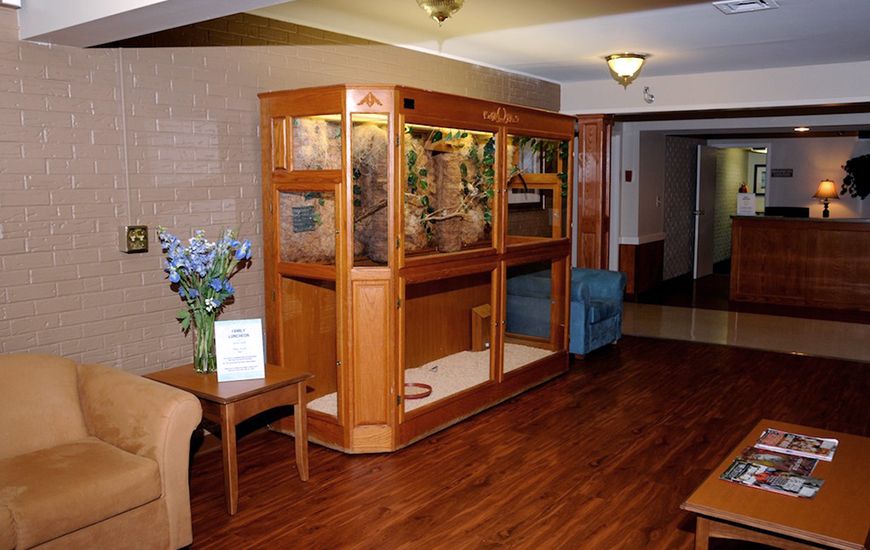
Who may want to consider alternatives becomes important when medical safety and modernization are non-negotiable. A subset of reviews raises serious concerns about medical responsiveness, including reports of infections not being promptly addressed, ambulance calls appearing delayed, and even life-threatening missteps. While many families report the opposite experience, these concerns cannot be dismissed. For residents with complex medical needs, conditions requiring rapid escalation, or a history of health status volatility, communities with stronger on-site nursing coverage and stricter escalation protocols may be preferable. Also, several reviewers note the building feels aged, which matters to families prioritizing modern amenities or more contemporary layouts. If up-to-date facilities, enhanced clinical oversight, or aggressive emergency response are top priorities, exploring nearby options with proven medical protocols may be wise.
How the key pros offset or fail to offset the main cons is the practical reckoning families must perform. The strengths, consistently warm, professional staff; a clean, well-maintained setting; a robust dietary program; and a therapy department with notable success stories, translate into meaningful daily life and tangible health improvements for many residents. The sense of family, and staff willing to go the extra mile, create a quality-of-life foundation that supports engagement, purpose, and social connection. When medical missteps occur, they carry significant gravity, yet in numerous accounts staff respond with urgency, open communication, and compassionate care. The strong social fabric can soften the impact of care gaps for some residents, helping them stay active and emotionally supported. Taken together, Seymour Crossing’s everyday strengths deliver substantial value, though the specter of medical lapses for a subset of families cannot be ignored.
Where the downsides show up most clearly are the serious, recurring questions about medical safety and rapid response. These concerns demand scrutiny: what are the nurse-to-resident ratios on each shift, how accessible is a clinician, what preventive monitoring exists, and how are incidents reviewed and acted upon? Cleanliness and maintenance are clear assets, but they do not replace decisive medical care when emergencies arise. Prospective residents should request current incident reports, tour the medical offices, and speak directly with the administrator about escalation protocols and accountability. The question is less whether concerns ever occur and more whether the current operations have robust safeguards that prevent them. If the impression remains uncertain, that hesitation is a prudent signal to widen the search to other communities with stronger medical oversight.
Practical decision guidance centers on a disciplined, needs-driven approach. Begin with a precise assessment of daily assistance requirements, non-negotiable medical supports, and the resident’s social priorities. During tours, demand specifics: average staffing levels per shift, typical response times to calls, how often clinicians visit on site, and how quickly infections or acute issues trigger physician involvement. Probe the social ecosystem: are there enough activities, meaningful engagement opportunities, and personal connections to sustain a resident who thrives on interaction? Verify the dining program and menu variety, and consider a taste-test if possible. Finally, review the financial terms, what’s included, what isn’t, and whether rate increases are predictable. If Seymour Crossing meets these criteria and the medical safeguards feel solid, it becomes a compelling, well-rounded option worth pursuing.
Bottom line: Seymour Crossing stands out for families prioritizing community, consistency, and visible improvements in residents’ well-being, anchored by a staff culture many describe as genuinely caring. It excels in cleanliness, activity programming, therapy outcomes, and the sense of belonging that sustains daily life. Yet the cautions voiced in some reviews cannot be dismissed. For families weighing options, the prudent path is to conduct rigorous, firsthand verification: visit, talk with current residents and their families, review medical protocols, and insist on transparent incident handling. If medical safety and up-to-date facilities are non-negotiable, broaden the search to nearby communities with documented stronger clinical coverage. When those safeguards are evident, Seymour Crossing can be more than a place to live; it can become a dependable, warm, and dignified home where life continues with purpose.
 115 resident community capacity
 Assisted Living
 Skilled Nursing Facility
 Air-conditioning
 Beauty salon
 Cable or satellite TV
 Computer center
 Dining room
 Fitness room
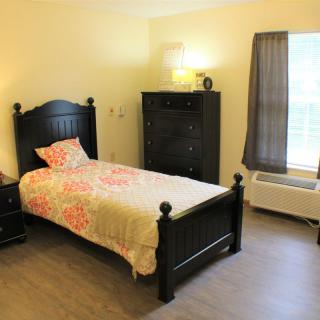
 Fully furnished
 Gaming room
 Garden
 Housekeeping services
 Kitchenette
 Move-in coordination
 Outdoor space
 Private bathrooms
 Restaurant-style dining
 Small library
 Telephone
 Wellness center
 Wi-Fi/high-speed internet available
 Community operated transportation
 12-16 hour nursing
 24-hour call system
 Activities of daily living assistance
 Assistance with bathing
 Assistance with dressing
 Assistance with transfers
 Diabetes diet
 Medication management
 Mental wellness program
 Special dietary restrictions
 Transportation arrangement (medical)
 Concierge services
 Planned day trips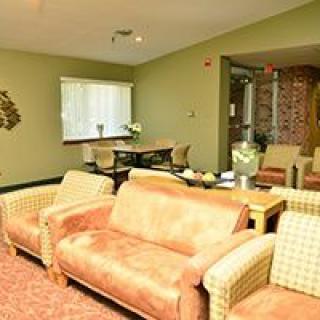




 Vibrant Senior Living: A Comprehensive Guide for Active Older Adults
 When to Transition from Assisted Living to Memory Care: Key Indicators, Steps, and Finding the Right Community
 Assisted Living and Memory Care: Understanding Their Core Differences