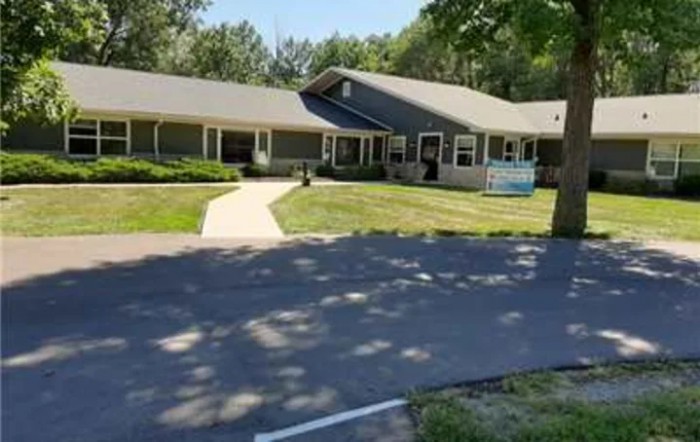
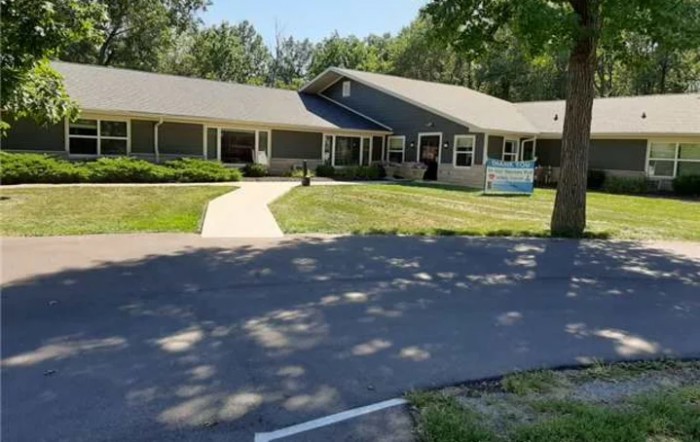






200 North Park Street, Portland, IN 47371
For more information about senior living options: (866) 208-4318
Overall Review of Persimmon Ridge Rehabilitation Centre
Pros
 The staff are described as the most kindhearted the reviewer has ever met.
- The staff take very good care of residents.
- Persimmon Ridge helped make a difficult time easier for the reviewer’s family.
- The staff across the building are angels who provided great care to the reviewer’s father.
Cons
 They hung a patient in a unit to help him reach the bathroom, and no one checked his vitals for hours.
 - A staff member stood by as the patient lost consciousness, and no one intervened.
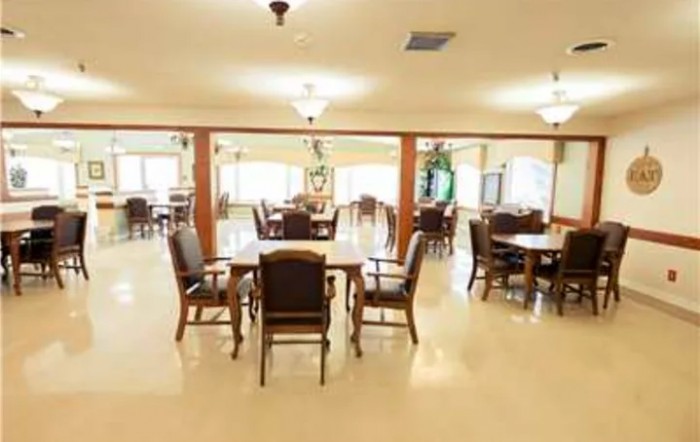
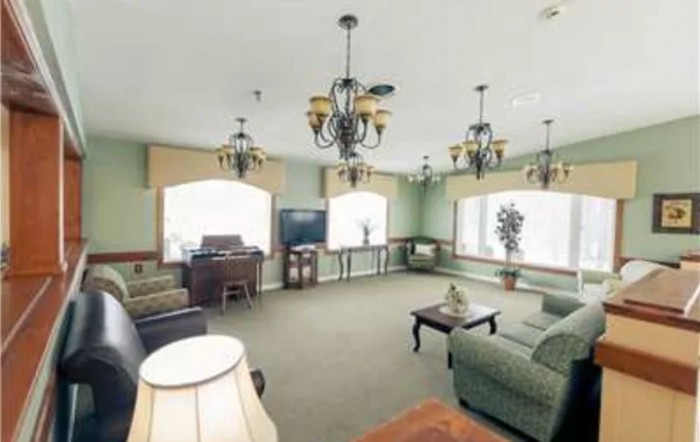
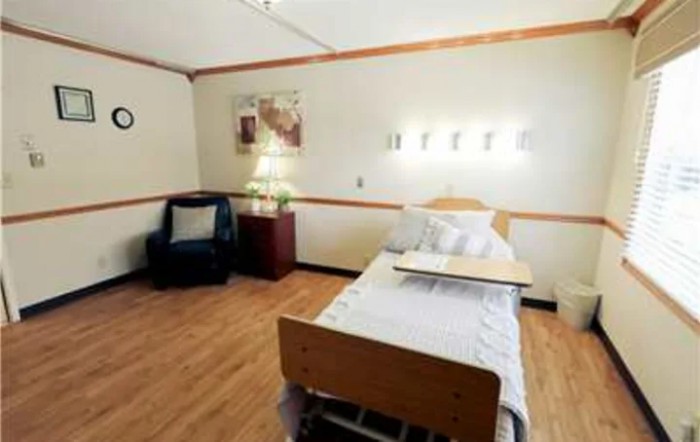
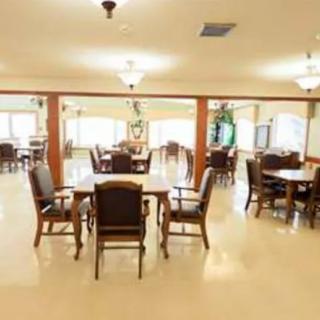
- The facility was dirty and filthy, with rooms and common areas in poor condition.
- The food was terrible, so bad it would not be fed to rats.
- Admin staff did not keep family members informed and were unkind, unfriendly, and uncaring.
- The nursing staff were immature, incompetent, and unprofessional.
- Prospective families are advised not to place a loved one at Persimmon Ridge.
Review
Persimmon Ridge Rehabilitation Centre in Portland, IN, is best suited for families that prize genuine warmth and steady emotional support during recovery or during end-of-life transitions. The strongest case for Persimmon Ridge rests on the bedside manner and personal attentiveness of the staff, which can make a difficult rehabilitation period feel tolerable and even manageable. One reviewer described the month-long stay while healing as accompanied by the most kindhearted staff imaginable, and another captured a sense of hope and reassurance from caregivers who felt like “angels” in a tough moment. For families that respond to human connection and comfort as a central pillar of care, this facility can feel like a crucial anchor even when other aspects of care fall short.
At the same time, serious caveats demand attention. Those who cannot tolerate demonstrable safety and quality gaps should seriously consider alternatives. Multiple reviewers recount alarming experiences that undermine trust, including a perception of neglect during a critical moment where a patient was left unsupervised and vitals were not checked for hours. Beyond safety, the environment is described as unclean by several families, with rooms and common areas cited as dirty and facilities not meeting expectations. Concerns extend to nutrition, with the food described as poor in quality, and to interpersonal dynamics, where staff and administrative teams were labeled immature, unprofessional, or unresponsive. If consistent safety, cleanliness, and reliable communication are non-negotiable, these reviews point toward exploring other options.
The case for Persimmon Ridge rests on a clear, human-centered strength. Where care teams are engaged and compassionate, patients experience day-to-day interactions that feel respectful and affirming. This emotional support matters profoundly for rehab patients who are recovering from surgery or facing long days of therapy, and for families who need reassurance that their loved one is valued. In at least one strong account, staff provided emotional backing that complemented clinical care, helping the family navigate a challenging transition with less distress. That kind of consistent kindness can translate into better morale, cooperation with therapy, and a steadier sense of security for everyone involved, if it is integrated with reliable clinical oversight.
However, the cons are persistent enough to temper enthusiasm. Cleanliness and maintenance appear inconsistent, and the interior environment is frequently described as unattractive or dirty. The dining experience matters for recovery, and poor meal quality can sap energy and hinder progress. Reports of immature or disrespectful staff, coupled with perceived gaps in professionalism, erode confidence in daily operations. Administrative communication is repeatedly flagged as opaque or insufficient, leaving families in the dark about changes in care plans or status updates. Taken together, these factors create a risk profile that can overshadow the genuine warmth of front-line caregivers, particularly for residents with complex medical needs or longer stays.
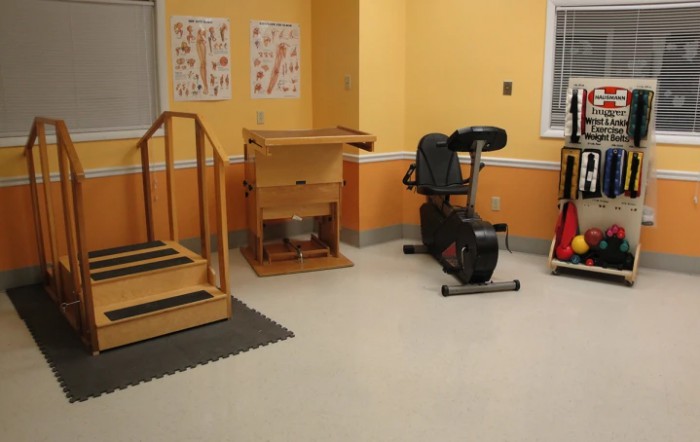
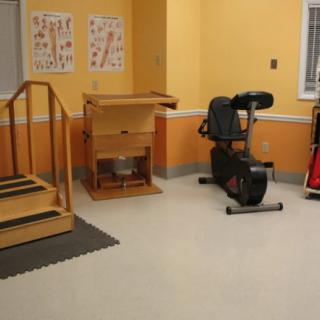
For families weighing the choice, the calculus comes into sharp focus: the warmth and attentiveness of caregivers can offset much of the emotional burden of rehab, but not if safety and quality controls are lax or inconsistent. Persimmon Ridge can serve as a meaningful bridge for those who insist on compassionate bedside care and are prepared to supervise and advocate actively, demanding clear communication, steady nurse assignments, and transparent incident reporting. Prospective residents should push for a detailed care plan, robust daily schedules, and a realistic tour that includes therapy spaces and kitchen areas. Verify staff-to-patient ratios and request to meet frontline staff who would be with the patient most days; if those assurances cannot be documented upfront, it is prudent to look elsewhere.
Bottom line: Persimmon Ridge is a viable option for families who place a premium on compassionate, person-centered care and who are ready to engage actively in oversight of safety, cleanliness, and communication. It is less suitable for those who cannot tolerate recurring concerns about safety lapses, substandard sanitation, questionable nutrition, or opaque administrative practices. The facility can fulfill a supportive role during a difficult transition when warmth and steady human contact are paramount, but a thorough, bottom-up assessment is essential. Before committing, demand concrete assurances on safety protocols, daily living conditions, and transparency in communication, and be prepared to pursue alternatives if those criteria cannot be consistently met.
 112 resident community capacity
 Assisted Living
 Skilled Nursing Facility
 Air-conditioning
 Beauty salon
 Cable or satellite TV
 Computer center
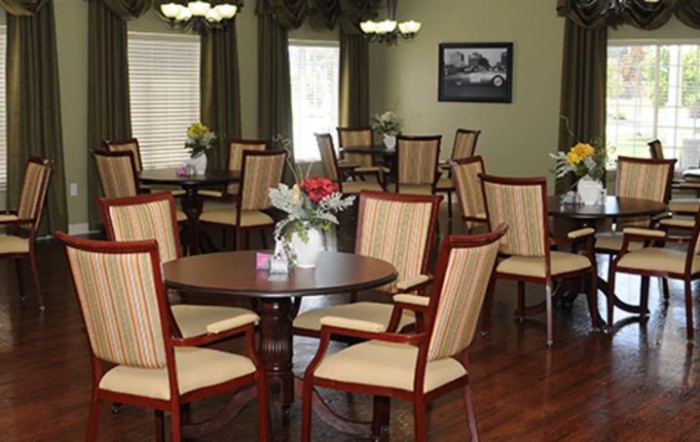
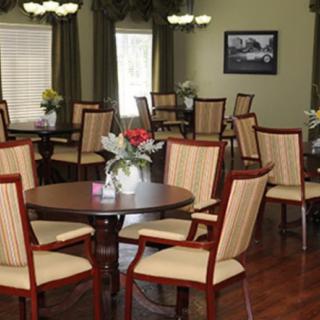
 Dining room
 Fitness room
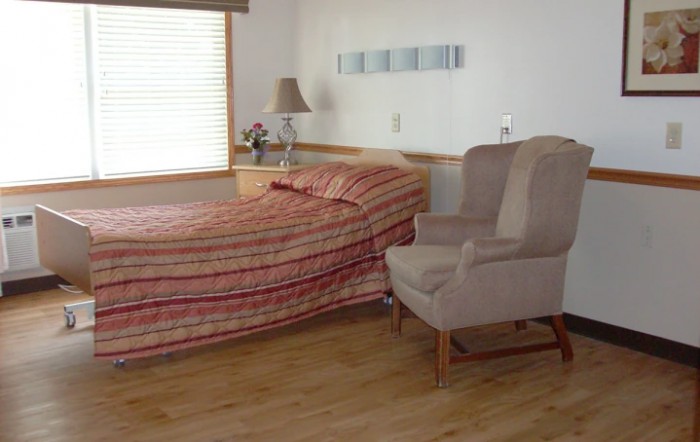
 Fully furnished
 Gaming room
 Garden
 Housekeeping services
 Kitchenette
 Move-in coordination
 Outdoor space
 Private bathrooms
 Restaurant-style dining
 Small library
 Telephone
 Wellness center
 Wi-Fi/high-speed internet available
 Community operated transportation
 24-hour call system
 Activities of daily living assistance
 Assistance with bathing
 Assistance with dressing
 Assistance with transfers
 Diabetes diet
 Medication management
 Special dietary restrictions
 Concierge services
 Planned day trips


 Is Assisted Living Deductible on Your Taxes? Understanding the Complexities of Assisted Living Expenses and Deductions
 Assisted Living Support for Veterans: A Complete and Detailed Overview
 Exploring the Contrasts Between Assisted Living and Skilled Nursing