Peabody Retirement Community offers competitive pricing for its accommodations, particularly when compared to the broader market in Whitley County and across Indiana. For instance, a one-bedroom unit at Peabody is priced at $817 per month, significantly lower than the county average of $2,884 and the state average of $3,300. Similarly, the two-bedroom options are available for $968 monthly, which stands in stark contrast to the higher costs of $4,309 in Whitley County and $3,208 statewide. Even at the studio level, while Peabody's rate of $2,674 is higher than some local options, it remains competitive compared to both county ($3,512) and state averages ($3,258). This positioning not only reflects Peabody's commitment to affordability but also highlights its value as an attractive option for retirees seeking quality care without overwhelming financial burdens.
Floor plans
Peabody Retirement Community
Whitley County
Indiana
1 Bedroom
$817
$2,884
$3,300
2 Bedrooms
$968
$4,309
$3,208
Studio
$2,674
$3,512
$3,258
Overall Review of Peabody Retirement Community
common34 reviews mention this
Staff compassion and responsiveness stand out
Residents and families describe staff as caring, kind, and attentive to needs.
Across the reviews, people repeatedly describe staff as compassionate and willing to help, including during difficult health situations and busy periods. Multiple residents and families say staff know them, communicate with families, and take time to interact beyond basic care. There are also a few negative reviews that point to poor experiences, but even those generally acknowledge that some staff members were pleasant or caring.
common10 reviews mention this
Cleanliness and odor control get praise
Many reviewers highlight the facility’s cleanliness and lack of unpleasant odors.
Several reviews say the building is clean and well kept, and a number of comments specifically mention no weird smells. Others describe the space as bright and tidy, and note that residents appeared clean as well. A few critical reviews complain about specific operational problems, but they do not contradict the general cleanliness themes.
differentiator7 reviews mention this
Care support for memory and rehab
Residents describe hands-on support for memory and rehab needs.
Some families describe improved outcomes after staffing teams stepped in for dementia or mobility-related needs, with residents participating in activities afterward. Other reviewers mention therapy or short-term rehab experiences, including cases where they felt care was effective and comfortable. There are also criticisms about therapy quality and follow-through in at least one review, so results appear to vary by circumstance.
caveat4 reviews mention this
Dining is hit or miss
Dining reviews include both dissatisfaction and requests for better food options.
Some residents and families report positive experiences with food, including saying the food is good and noting preferences like healthier eating. Other reviews are sharply negative, citing disorganized kitchen operations, delays getting meals, and problems with nutrition fit for diabetic residents. One reviewer specifically mentions wanting more flavor and more options, including items like fresh fruit and salads.
common4 reviews mention this
Grounds and nearby outings help recreation
Reviews often mention enjoying walks, landscaping, and parks nearby.
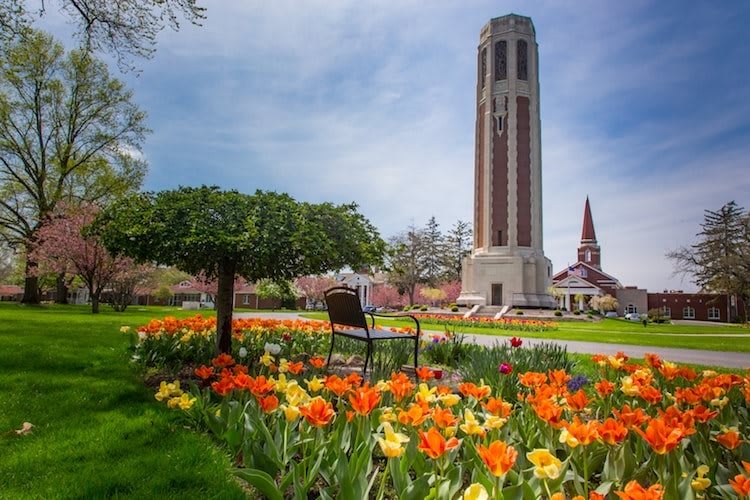
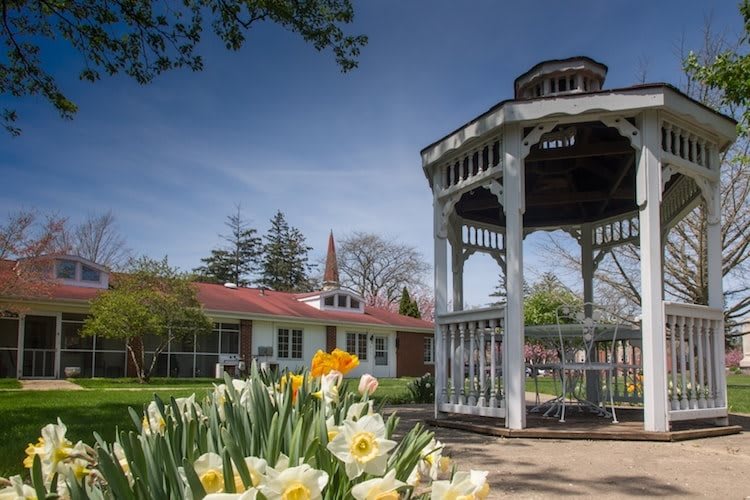
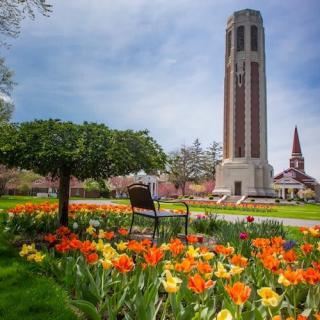
Several families describe enjoying weekly walks around the grounds to see flowers and landscaping, and they connect that time outdoors with resident enjoyment. One review also points to nearby parks as a way to get recreation for seniors who can still get out. The community’s activities and outings are mentioned as well, but outdoor scenery and nearby options are the pieces that come up most often.
How we summarize
Counts show how many written reviews mention each theme; a review can touch several themes, and only frequently mentioned themes are displayed.
Features
Housing
1-bedroom apartments
2-bedroom apartments
Studio apartments
Types of Care
Assisted Living
Independent Living
Pets
Cats allowed
Dogs allowed
Amenities
Activities off-site
Activities on-site
Air-conditioning
Beautician on-site
Devotional services off-site
Devotional services on-site
Full kitchen
Ground floor units
Handicap accessible
Indoor common areas
Kitchenette
Outdoor common areas
Respite or short term stays offered
Swimming pool / hot tub
Wheelchair accessible showers
Wi-Fi/high-speed internet available
Care Services
Diabetic care
Incontinence care
Medication management
Dining
Anytime dining
Gluten-free
Guest meals
Low / no sodium
Meals provided
No Sugar
Professional chef
Restaurant style dining
Room service
Special dining programs
Vegan
Activities
Cooking classes
Day trips and outings
Devotional activities offsite
Devotional activities on-site
Happy hour
Live dance or theater performances
Live musical performances
Live well programs
Other religious services
Visiting chaplain or priest
Wine tasting
Nearby Places of Interest
North Manchester, Indiana, offers a variety of amenities for seniors looking to reside in a peaceful and convenient location. With several parks nearby such as Warvel Park and Charley Creek Park, residents can enjoy nature walks and outdoor activities. There are also numerous healthcare options in the area, including Walnut Street Family Healthcare and Wabash Medical Center, providing easy access to medical services. Places of worship like North Manchester Church Of The Nazarene and Calvary Chapel Worship Center offer spiritual support for those seeking community connections. Additionally, dining options like Madres Restaurant and Joe's Diner cater to various culinary preferences. Pharmacies such as CVS Pharmacy and Walgreens are within close proximity for medication needs, while hospitals like Parkview Wabash Hospital ensure quality healthcare facilities are easily accessible. For entertainment, Eagles Theatre and GQT Huntington 7 provide opportunities for cultural experiences right in the neighborhood. Overall, North Manchester presents a welcoming environment with essential resources for seniors looking to settle in a vibrant community.
Parks
Warvel Park (0.3 miles)
Park (13.5 miles)
Acres Kokiwanee Nature Preserve (13.8 miles)
Charley Creek Park (14.4 miles)
Paradise Spring Historical Park & Riverwalk (14.6 miles)
Wabash City Park (14.7 miles)
Firestation Park (15.6 miles)
Physicians
Walnut Street Family Healthcare (0.4 miles)
Parkview Physicians Group - Family Medicine (0.7 miles)
South Whitley Clinic (9.9 miles)
Akron Medical Center (12.8 miles)
Gorman Center For Orthodontics (13.1 miles)
Midwest Eye Consultants - Office (13.9 miles)
Wabash Medical Center (14 miles)
Places of Worship
North Manchester Church Of The Nazarene (0.5 miles)
Early Apostolic Bible Training Center (10.7 miles)
Wabash North Wesleyan Church (11.9 miles)
Calvary Chapel Worship Center (12 miles)
Church of Christ (12.8 miles)
Faith Harvest Fellowship (13.2 miles)
Christian & Missionary (13.7 miles)
Restaurants
Madres Restaurant (0.5 miles)
El Mezquite (0.8 miles)
McDonald's (1 miles)
Lakes Grill Restaurant (8.4 miles)
Carol's Corner (9.5 miles)
Lynn's (10.1 miles)
Joe's Diner (12 miles)
Cafes
KenapocoMocha (0.5 miles)
Manchester University Jo Young Switzer Center (1 miles)
The Fried Egg (13.6 miles)
Starbucks (15.7 miles)
Pharmacies
CVS Pharmacy (0.7 miles)
Hipp Drug (9.5 miles)
Walmart Pharmacy (13.3 miles)
Kroger Pharmacy (13.5 miles)
Daywalt Pharmacy (14 miles)
Walgreens (14.2 miles)
CVS Pharmacy (14.3 miles)
Hospitals
Parkview First Care (9.9 miles)
Parkview Wabash Hospital (13.9 miles)
Wabash County Hospital (13.9 miles)
American Senior Communities (13.9 miles)
Otis R. Bowen Center For Human Services Inpatient Unit (14.3 miles)
Peabody Retirement Community offers competitive pricing for its accommodations, particularly when compared to the broader market in Whitley County and across Indiana. For instance, a one-bedroom unit at Peabody is priced at $817 per month, significantly lower than the county average of $2,884 and the state average of $3,300. Similarly, the two-bedroom options are available for $968 monthly, which stands in stark contrast to the higher costs of $4,309 in Whitley County and $3,208 statewide. Even at the studio level, while Peabody's rate of $2,674 is higher than some local options, it remains competitive compared to both county ($3,512) and state averages ($3,258). This positioning not only reflects Peabody's commitment to affordability but also highlights its value as an attractive option for retirees seeking quality care without overwhelming financial burdens.
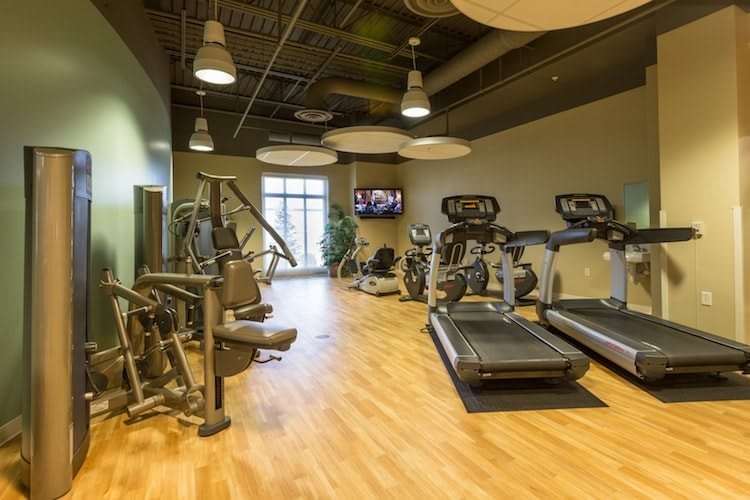
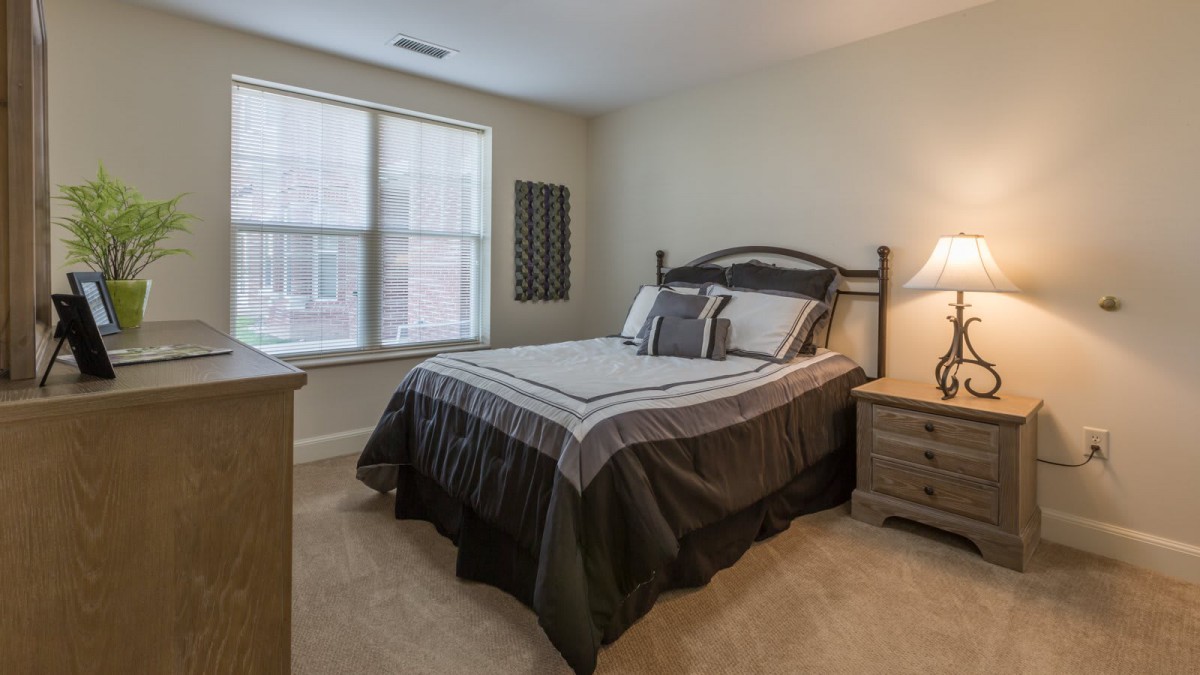
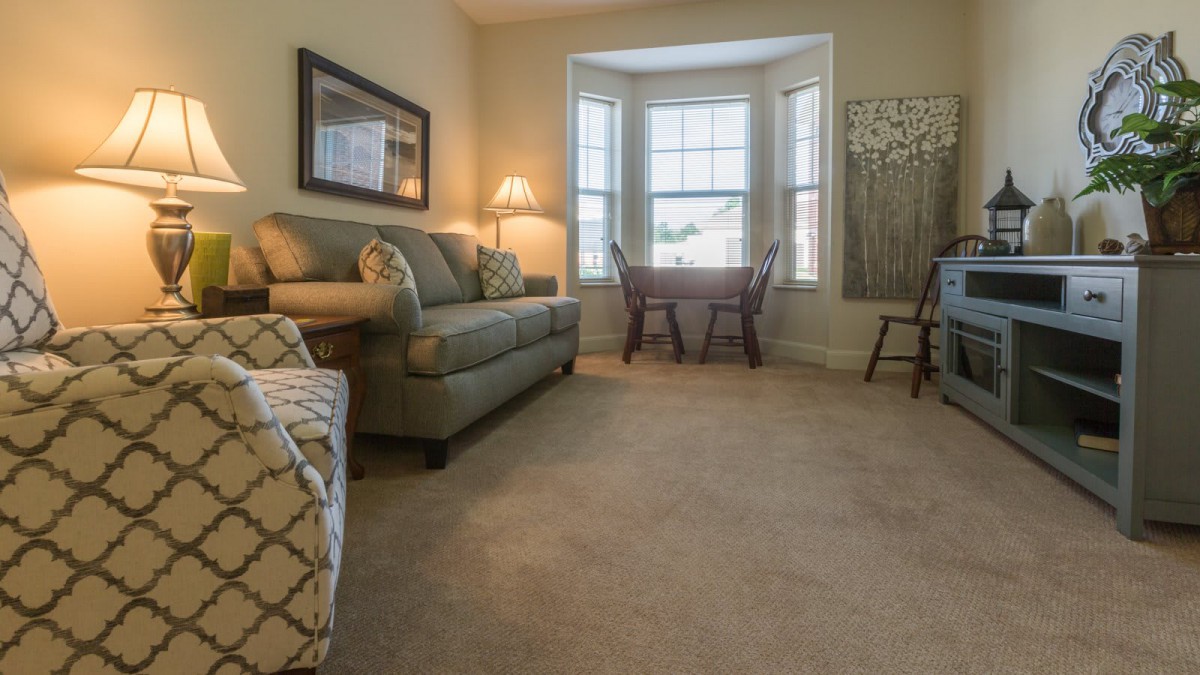
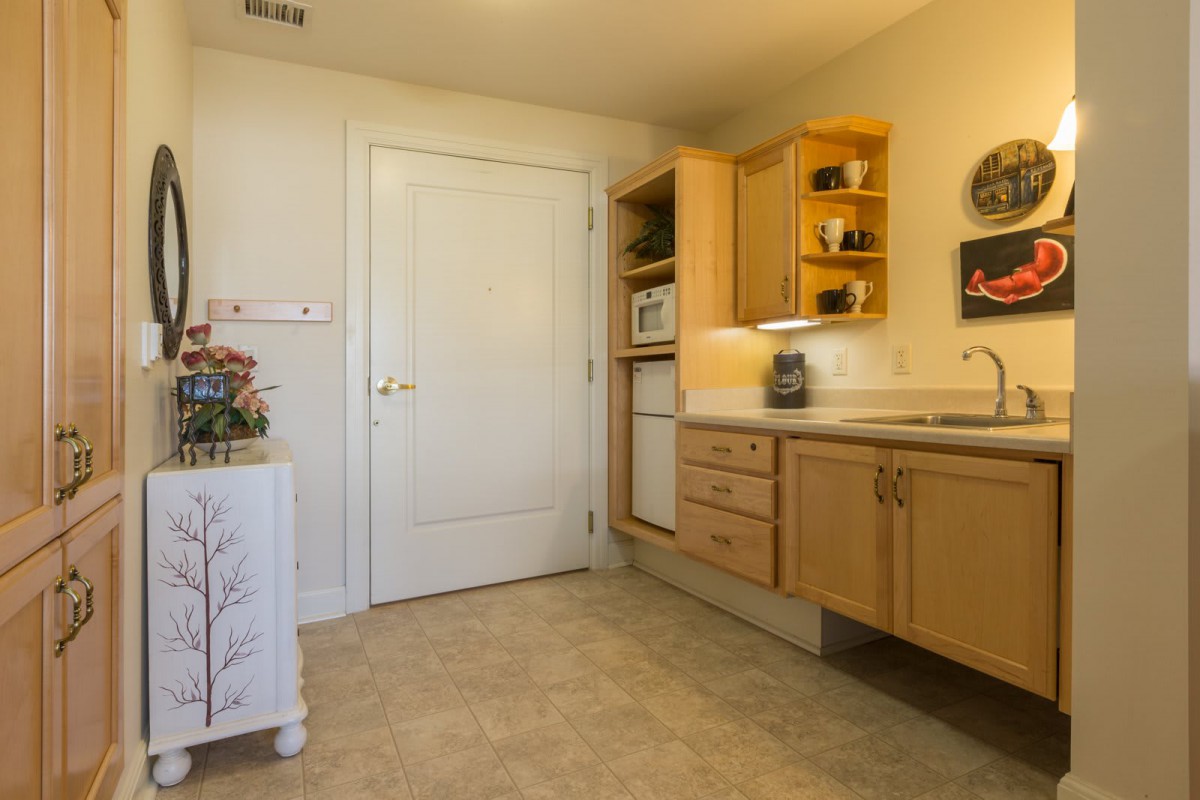
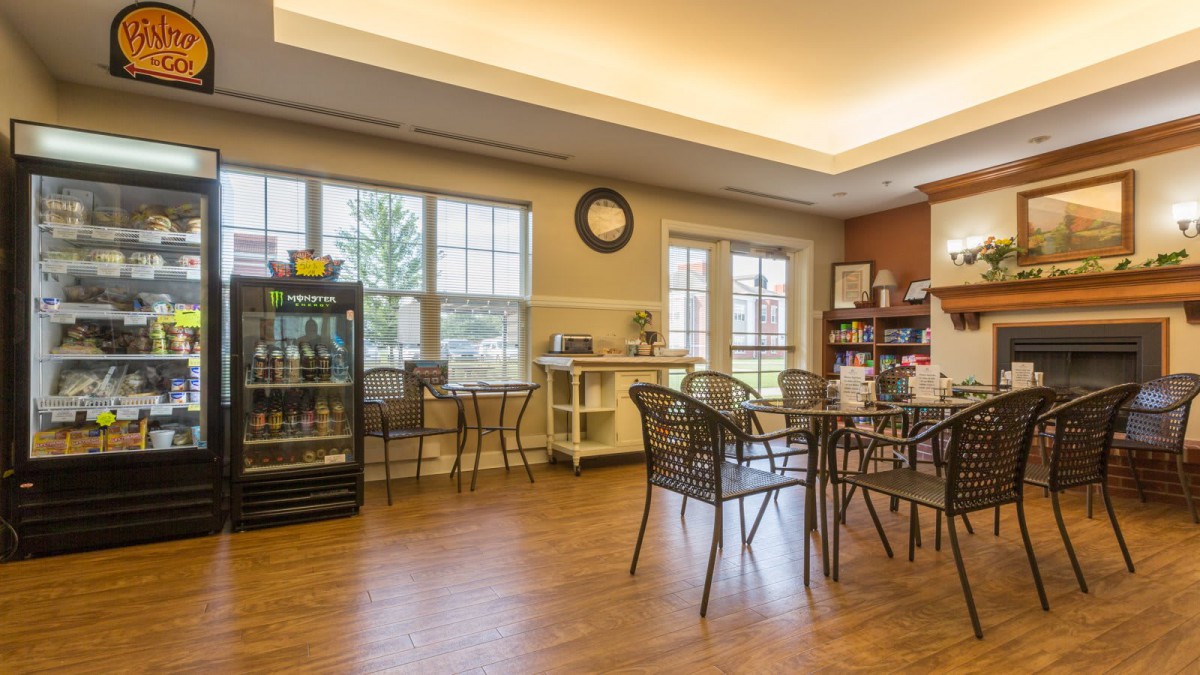
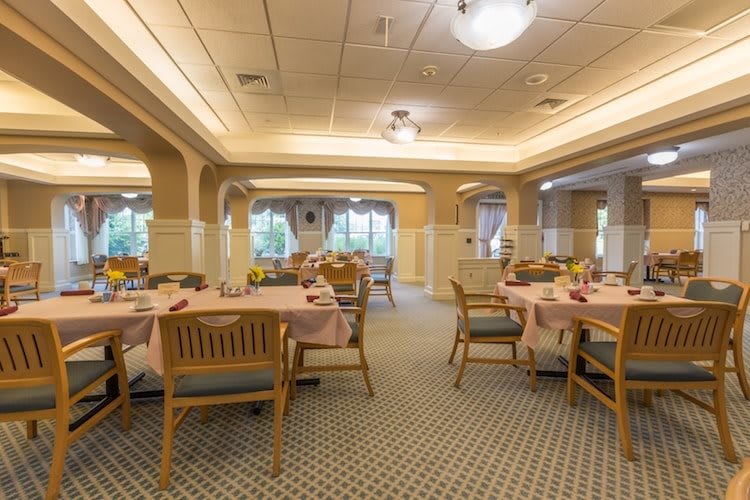
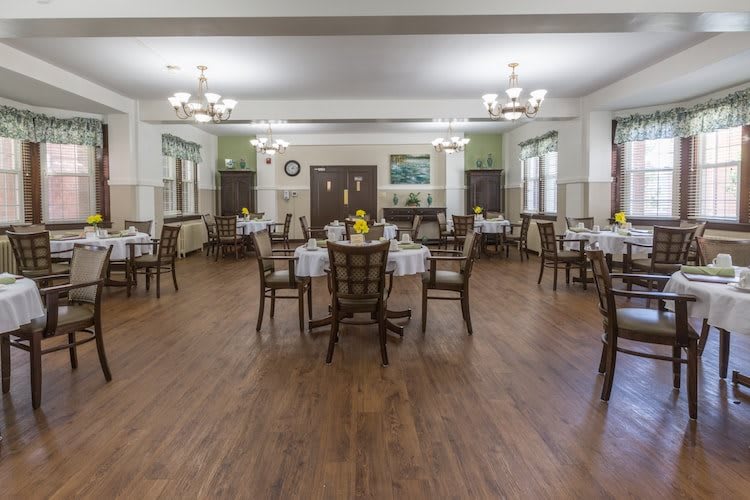
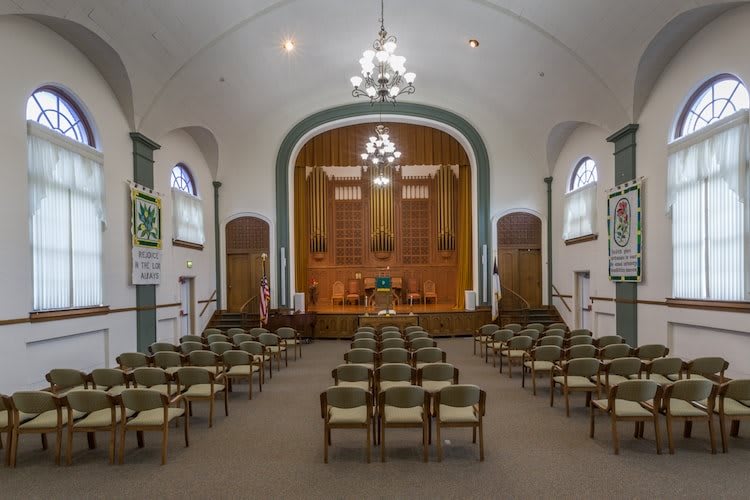
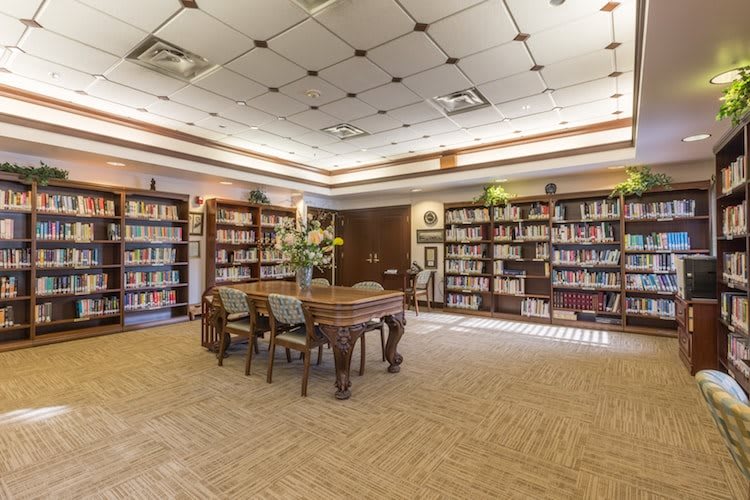
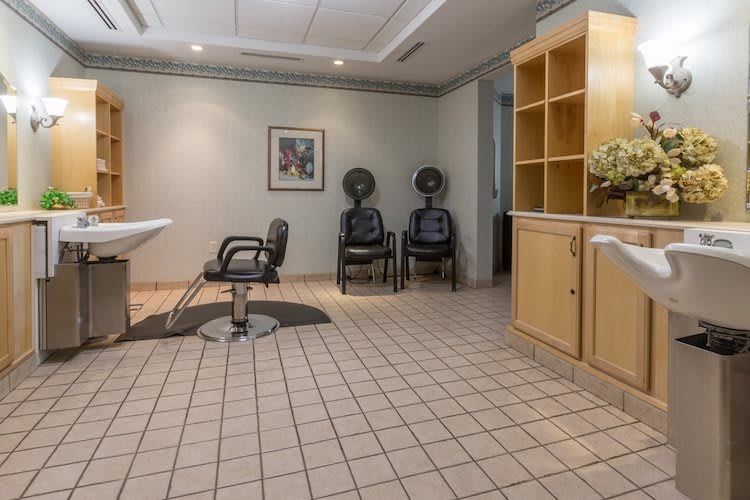
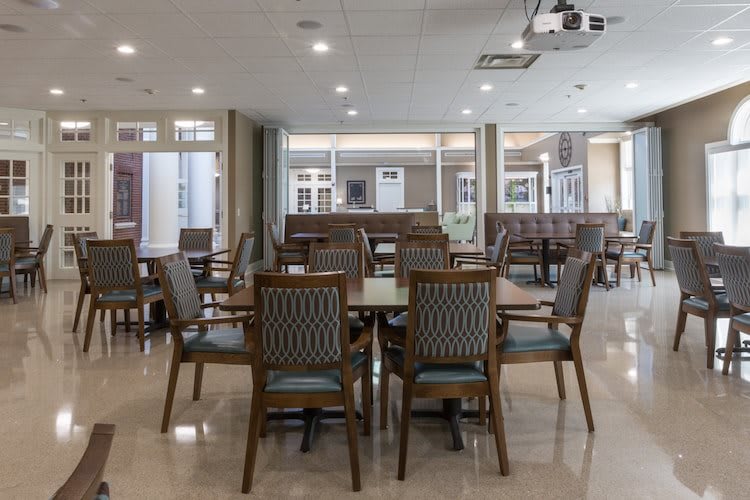
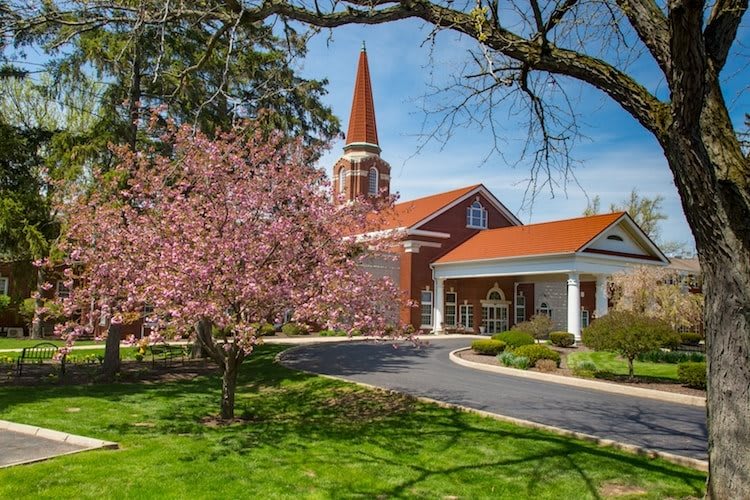
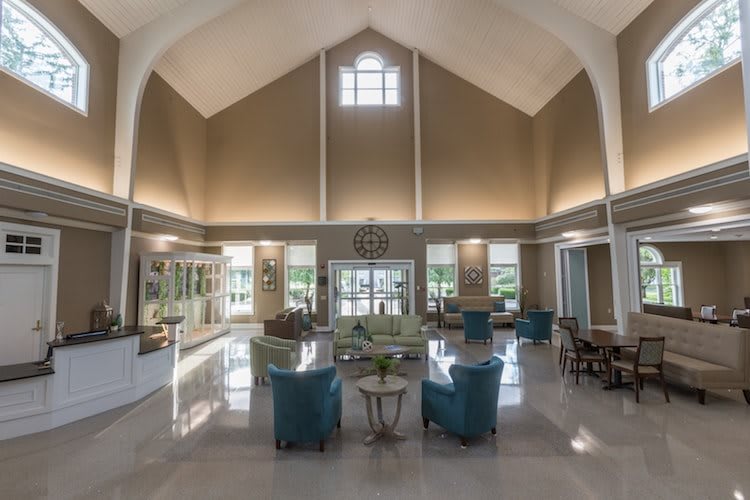
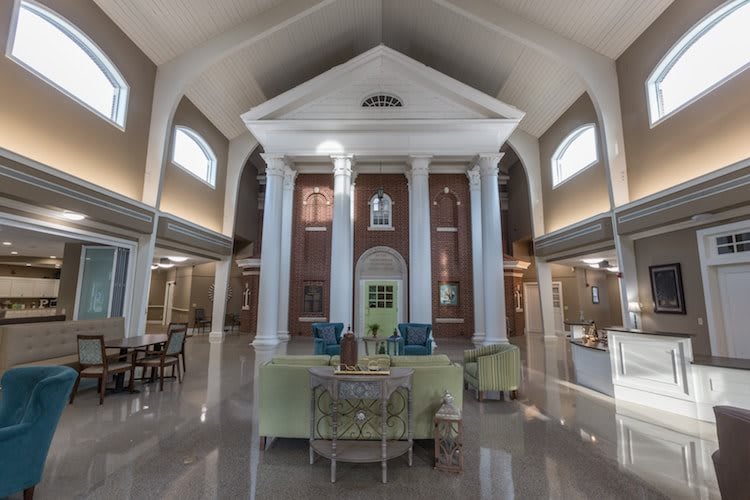
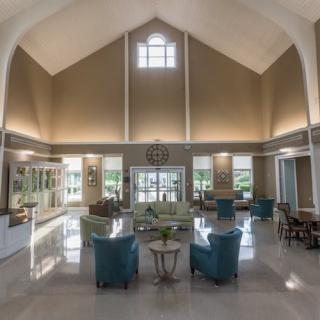
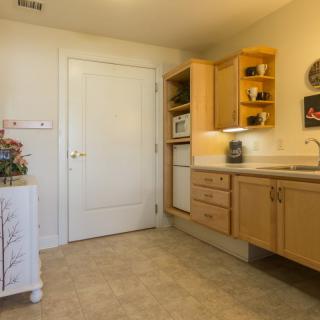
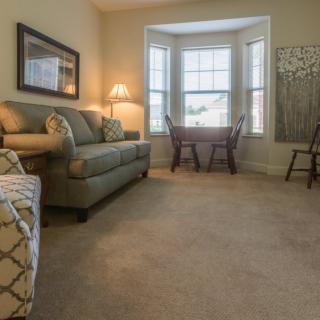
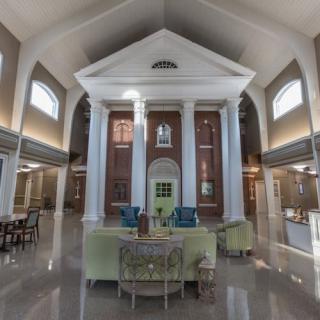
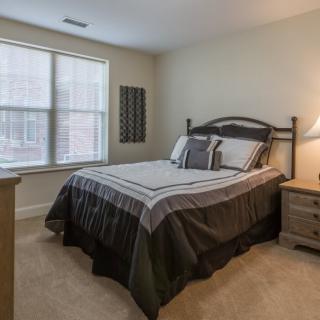
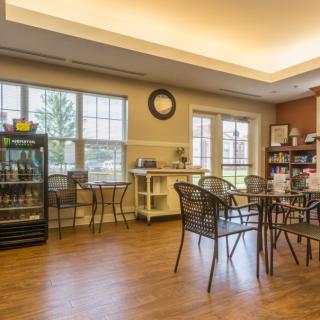
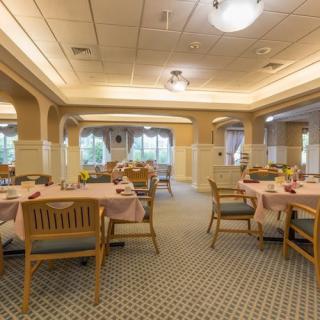
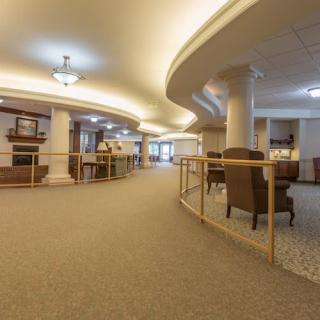
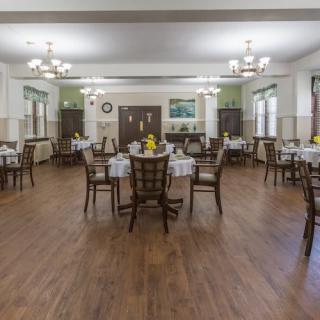
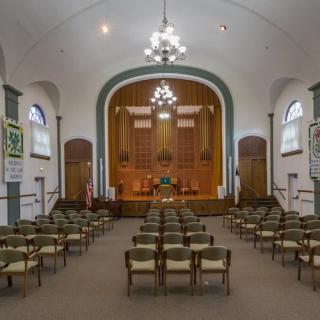
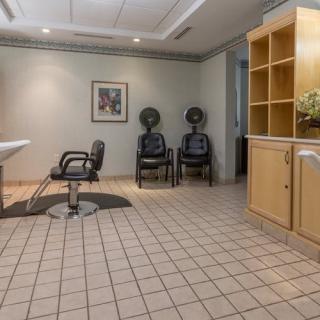
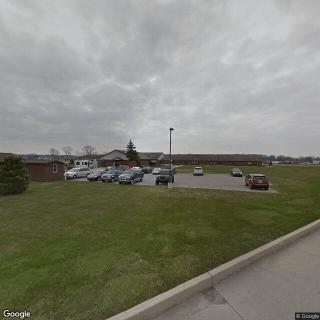
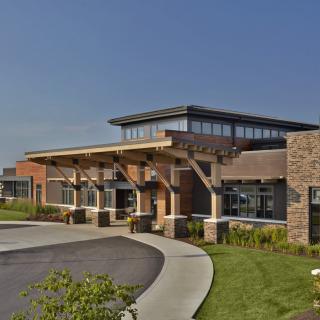
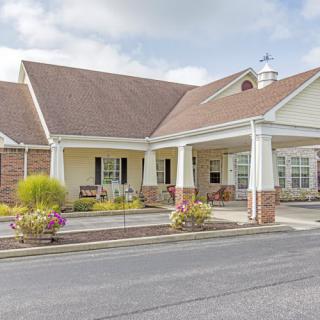
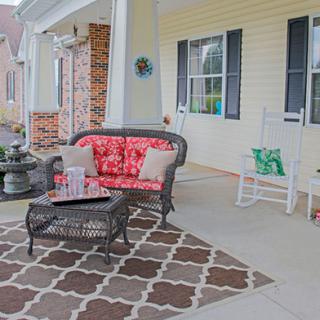
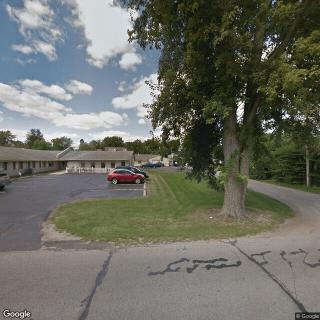
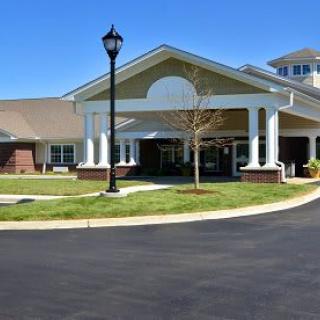
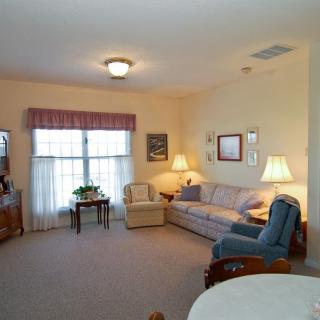
Peabody Retirement Community on seniors.fyi includes 18 photos including images showing interior, dining, decor, windows, architecture, lobby, seating area, church, and more.
Nearby Communities
Timbercrest Senior Living Community
North Manchester, IN
4.2 from 13 reviews
Continuum-of-care options (CCRC) with extensive amenities and attractive grounds.
Miller's Merry Manor VII
Wabash, IN
24/7 supervision with ADL support and medication management.
Miller's Merry Manor
Wabash, IN
Strong access to nearby services and a welcoming community.
Wellbrooke of Wabash
Wabash, IN
4.4 from 5 reviews
$2,520 to $4,350 / month
Caring staff with strong social services and good dining in a well-maintained setting.
Bickford of Wabash
Wabash, IN
4.9 from 44 reviews
$2,433 to $2,890 / month
Caring staff with a family-like atmosphere, plus good dining and engaging activities.
Wabash Bickford Cottage Opco
Wabash, IN
4.9 from 27 reviews
Memory-care focused with 24/7 supervision, medication management, and specialized programming.
Warsaw Meadows
Warsaw, IN
4.3 from 84 reviews
Friendly staff with proactive family communication and effective rehab/therapy services.
Paddock Springs
Warsaw, IN
4.2 from 26 reviews
$3,625 / month
Comprehensive care options (assisted living, memory care, skilled nursing) with extensive on-site amenities and wellness programs.
Wynnfield Crossing
Rochester, IN
4.8 from 60 reviews
$3,090 to $3,950 / month
Caring staff, a welcoming, well-kept environment, and a variety of activities and dining options.
Vibrant Senior Living emphasizes active senior living communities that promote independence and engagement through diverse amenities and activities, fostering wellness and social interaction among older adults. These communities range from independent to assisted living, with a focus on personal growth, family involvement, financial planning, and leveraging technology to enhance residents' experiences.
Transitioning from assisted living to memory care is driven by an individual's cognitive decline and specific needs, requiring careful evaluation of indicators like increased confusion and wandering. The process involves consulting medical professionals, researching suitable communities, considering financial and legal aspects, and ensuring effective communication for personalized care plans.
Assisted living provides moderate support for seniors seeking independence, while memory care offers specialized support for individuals with dementia or cognitive impairments through structured routines and trained staff. Key differences include care approaches, environment security measures, staff training levels, activity types, and cost considerations.
Exercise Equipment, Gym, Fitness, Exercise Room, and Treadmills
Salon
Bookshelves, Library, and Reading Area
Seating and Wood Paneling
Cabinets
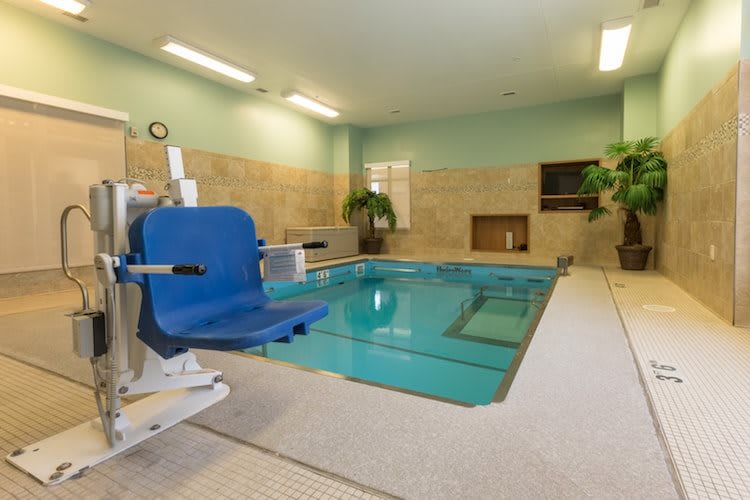
Swimming Pool and Indoor Pool
Spacious
Meeting Space
High Ceiling
Church
Get PricingAsk A QuestionSchedule A TourContact Senior Advisor
By clicking submit, you agree to our Partner's Terms of Use. You
also consent to receive calls and texts, which may be autodialed, from our Partner. Your consent is not a condition to
using our Partner's service. Please visit our Partner's Privacy Policy for information about their privacy practices.





 1-bedroom apartments
 Assisted Living
 Independent Living
 Cats allowed
 Dogs allowed
 Activities off-site
 Air-conditioning
 Beautician on-site
 Devotional services off-site
 Full kitchen
 Ground floor units
 Handicap accessible
 Indoor common areas
 Outdoor common areas
 Respite or short term stays offered
 Swimming pool / hot tub
 Wheelchair accessible showers
 Wi-Fi/high-speed internet available
 Diabetic care
 Incontinence care
 Medication management
 Anytime dining
 Cooking classes
 Day trips and outings
 Happy hour
 Live dance or theater performances
 Live musical performances
 Live well programs
 Visiting chaplain or priest
 Wine tasting
 Continuum-of-care options (CCRC) with extensive amenities and attractive grounds.
 Vibrant Senior Living: A Comprehensive Guide for Active Older Adults
 When to Transition from Assisted Living to Memory Care: Key Indicators, Steps, and Finding the Right Community
 Assisted Living and Memory Care: Understanding Their Core Differences