For more information about senior living options: (866) 208-4318
3.9 from 49 reviews
5 stars
32
4 stars
4
3 stars
1
2 stars
1
1 stars
11
Overall Review of Brown County Health And Living Community
common26 reviews mention this
Staff care and responsiveness stand out
Residents describe staff members who are kind, attentive, and quick to help with day-to-day needs.
Across many reviews, residents and family members emphasize feeling cared for by the staff, including nurse aides, nurses, therapy teams, housekeeping, and dietary. People mention respectful personal care, helpful front-desk interactions, and caregivers who keep them informed about changes or progress. Several reviews also point to emotional support—staff making time, maintaining hygiene, and showing patience—rather than treating care as purely routine.
common5 reviews mention this
Activities keep residents engaged
Residents and families mention regular engagement, including outings and group activities.
Reviews commonly reference community activities that add structure, from bingo and community events to larger gatherings like a hog roast. Some families say their loved ones are included on activities when they want to participate, and others describe a fuller calendar with events beyond basic recreation. A minority of reviews note a lack of activities beyond simple pastimes, which suggests the level of programming may vary by time or unit.
caveat6 reviews mention this
Dining is mixed and sometimes inconsistent
Dining receives both praise and complaints, including concerns about meals being cold or not consistently good.
Some reviewers say meals are good, with specific positive mention of kitchen staff and dessert quality. Others are disappointed with meal consistency, describing food as horrible or not a solid meal every time, and noting issues like meals being cold. One review also flags food quality while still acknowledging care and cleanliness, so dining appears to be a point where experiences diverge.
differentiator5 reviews mention this
Memory care gets strong support
Families describe memory care staff focusing on dignity, comfort, and tailored attention.
In memory care-related reviews, families mention staff taking exception care and treating residents with dignity and respect, including end-of-life comfort. Several reviewers connect the experience to emotional support and ensuring needs are met in a unit designed for dementia. At the same time, there are serious opposing accounts—some reviewers report insufficient staffing and unsafe conditions in memory care—so outcomes may depend heavily on staffing and day-to-day execution.
caveat7 reviews mention this
Staffing and medication safety raise concerns
Some reviews raise serious concerns about medication handling and staffing coverage.
A recurring set of negative reviews describes problems with timely help, including call-bell response concerns and missed or delayed medication. Others report medication errors, urgent medical consequences, and hygiene or environmental issues during their time as visitors or family members. Even when families acknowledge that some staff are caring, these reviews still question whether staffing levels and processes are consistently reliable—especially during weekends or high-need situations.
How we summarize
Counts show how many written reviews mention each theme; a review can touch several themes, and only frequently mentioned themes are displayed.
Features
Housing
117 resident community capacity
Types of Care
Assisted Living
Skilled Nursing Facility
Amenities
Air-conditioning
Beauty salon
Cable or satellite TV
Computer center
Dining room
Fitness room
Fully furnished
Gaming room
Garden
Housekeeping services
Kitchenette
Move-in coordination
Outdoor space
Private bathrooms
Restaurant-style dining
Small library
Telephone
Wellness center
Wi-Fi/high-speed internet available
Transportation
Community operated transportation
Transportation arrangement
Care Services
24-hour call system
24-hour supervision
Activities of daily living assistance
Assistance with bathing
Assistance with dressing
Assistance with transfers
Diabetes diet
Meal preparation and service
Medication management
Special dietary restrictions
Dining
Diabetes diet
Special dietary restrictions
Activities
Community-sponsored activities
Concierge services
Fitness programs
Planned day trips
Resident-run activities
Scheduled daily activities
Videos
Nearby Places of Interest
Restaurants
Hard Truth Hills (0.4 miles)
Nashville General Store & Bakery (0.6 miles)
Bruster's Real Ice Cream (12.8 miles)
Chick-Fil-A (13.9 miles)
Taco Bell (13.9 miles)
Joella's Hot Chicken (14 miles)
McDonald's (14 miles)
Pharmacies
CVS Pharmacy (0.6 miles)
CVS Pharmacy (14.1 miles)
CVS Speciality (14.1 miles)
CVS Pharmacy (14.1 miles)
Kroger Pharmacy (14.2 miles)
CVS Pharmacy (14.2 miles)
CVS Pharmacy (15.3 miles)
Cafes
The Chocolate Moose (0.6 miles)
Daily Grind Coffee House (0.7 miles)
Panera Bread (14.1 miles)
Starbucks (14.2 miles)
Crumble Coffee & Bakery (14.5 miles)
Starbucks (15.4 miles)
Runcible Spoon (15.8 miles)
Parks
Brown County State Park (0.9 miles)
Prince's Lake Park (12.9 miles)
Clifty Creek Park (14.6 miles)
South East Park (14.7 miles)
Olcott Park (15.5 miles)
Dunn Meadow (15.5 miles)
Griffy Lake Unofficial Dog Park (15.6 miles)
Places of Worship
Assembly of God (12.2 miles)
St Charles Church (14.7 miles)
Physicians
Andry Medical Services (13 miles)
Doctor Schulz Natural (13.1 miles)
Brinegar Eye Care (13.2 miles)
Dr Rhett Tharp DDS (13.2 miles)
Rebecca B Brewer (13.2 miles)
William Arnold DDS (13.8 miles)
Southern Indiana Pediatrics (13.8 miles)
Transportation
Himsel Army Airfield (HBE) (15 miles)
Hospitals
Midwest Proton Radiotherapy Institute (15.2 miles)
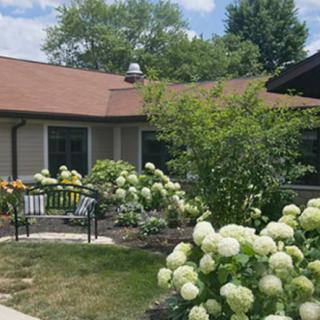
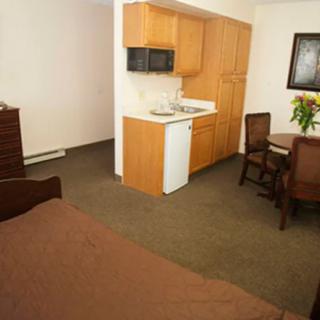
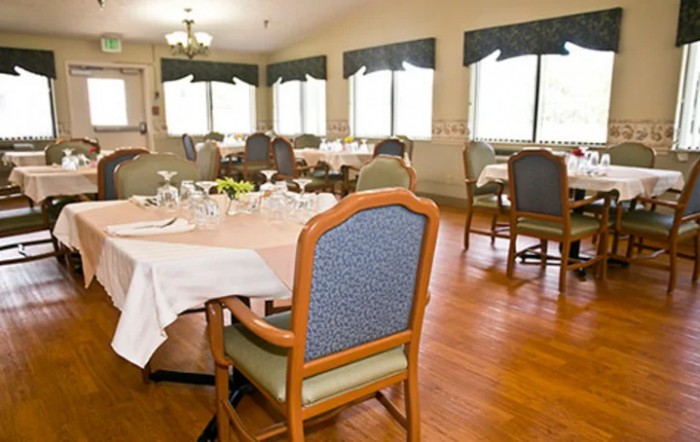
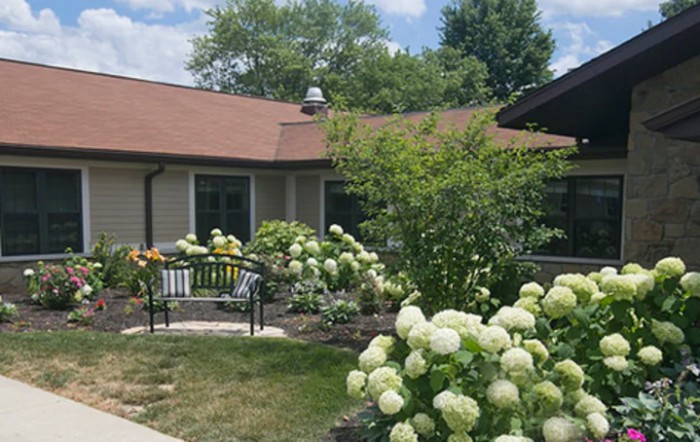
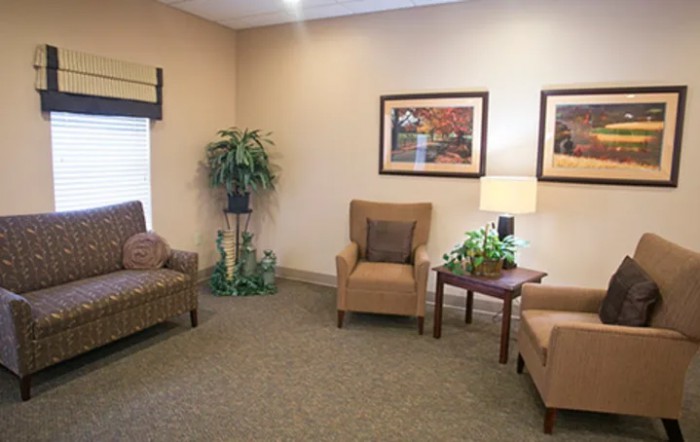
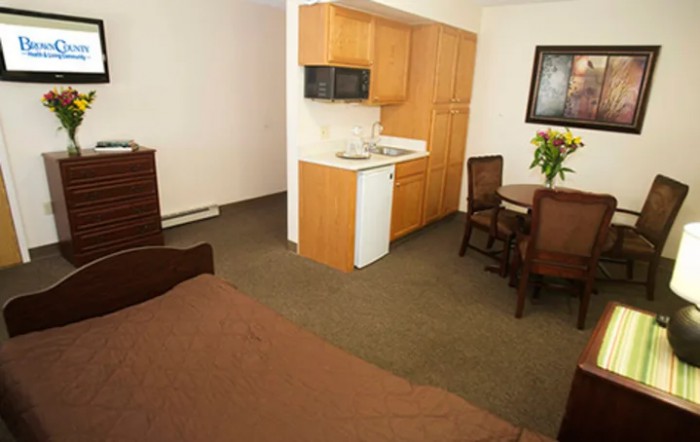
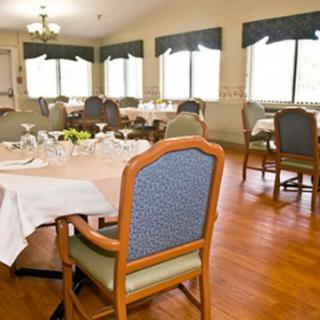
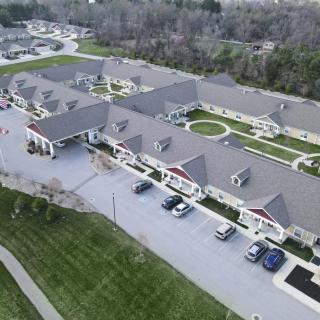
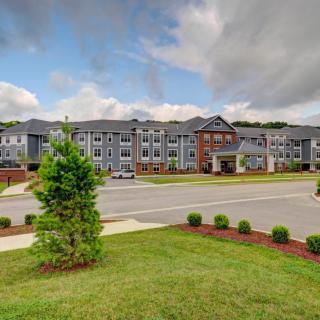
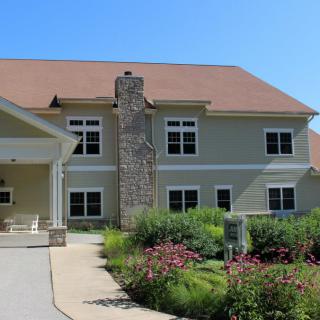
Brown County Health And Living Community on seniors.fyi includes 5 photos including images showing dining, interior, garden, landscaping, place settings, outdoors, trees, building, and more.
Nearby Communities
Brown Country Health and Living Community
Nashville, IN
4 from 27 reviews
Excellent staff and therapy; clean, high-quality care.
Willow Manor Senior Villas
Nashville, IN
4.8 from 6 reviews
$595 / month
Very affordable $595/month two-bedroom; close to amenities and pet-friendly.
Home Helpers
Nashville, IN
4 from 1 review
Residential with communal spaces and outdoor areas.
Morgantown Health Care
Morgantown, IN
4.3 from 10 reviews
24/7 care with diverse on-site amenities in a small, intimate setting.
Gentry Park Bloomington
Bloomington, IN
4.8 from 119 reviews
$1,895 to $3,990 / month
Caring staff in a modern, hotel-like environment with engaging activities and quality dining.
Gentry Park Senior Living
Bloomington, IN
4.8 from 79 reviews
Broad care options (independent, assisted, memory care) with restaurant-style dining and wellness amenities.
Evergreen Village At Bloomington
Bloomington, IN
4.7 from 18 reviews
Extensive amenities and comprehensive assisted-living services.
Evergreen Village of Bloomington
Bloomington, IN
4.7 from 36 reviews
$3,550 to $3,900 / month
Caring staff, beautiful facilities, and engaging activities.
Jill’s House Memory Care
Bloomington, IN
4.5 from 18 reviews
$3,846 to $4,633 / month
Exceptional, knowledgeable staff with personalized, attentive care.
Assisted living costs often exceed Social Security benefits, necessitating a combination of funding sources like state aid and Medicaid. Understanding the interaction between Social Security programs and available financial support is essential for affording such care.
The VA Aid and Attendance benefit provides financial support to veterans needing assistance with daily living due to medical conditions or disabilities, augmenting standard VA pensions for services like in-home care. Eligibility is based on service duration, wartime status, income, and medical needs, with a detailed application process required to access funds for caregiving and home modifications.
Senior move management services assist older adults in the relocation process by providing emotional support and organizational help, addressing unique challenges like downsizing and moving from long-term homes. These specialists collaborate with real estate agents and manage logistics, making the transition smoother for seniors and their families.
Bedroom, Kitchenette, Minimalist, Dining Table, and Studio
Dining and Place Settings
Landscaping and Garden
Building
Trees and Outdoors
Plant and Paintings
Get PricingAsk A QuestionSchedule A TourContact Senior Advisor
By clicking submit, you agree to our Partner's Terms of Use. You
also consent to receive calls and texts, which may be autodialed, from our Partner. Your consent is not a condition to
using our Partner's service. Please visit our Partner's Privacy Policy for information about their privacy practices.

 117 resident community capacity
 Assisted Living
 Skilled Nursing Facility
 Air-conditioning
 Beauty salon
 Cable or satellite TV
 Computer center
 Dining room
 Fitness room
 Fully furnished
 Gaming room
 Garden
 Housekeeping services
 Kitchenette
 Move-in coordination
 Outdoor space
 Private bathrooms
 Restaurant-style dining
 Small library
 Telephone
 Wellness center
 Wi-Fi/high-speed internet available
 Community operated transportation
 24-hour call system
 Activities of daily living assistance
 Assistance with bathing
 Assistance with dressing
 Assistance with transfers
 Diabetes diet
 Medication management
 Special dietary restrictions
 Concierge services
 Planned day trips
 Excellent staff and therapy; clean, high-quality care.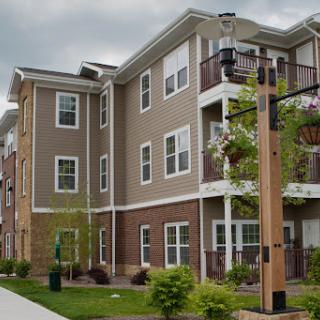



 Social Security Benefits and Assisted Living: Navigating Options Across the U.S.
 An Extensive Exploration of the VA Aid and Attendance Benefit
 Senior Transition Services: Understanding Their Role, Cost, and Importance