Ashgrove Crossing

Save
Ashgrove Crossing

Ashgrove Crossing

4001 N Walnut Street, Muncie, IN 47303

For more information about senior living options: (844) 490-3973

3.3 from 7 reviews
5 stars
4
4 stars
0
3 stars
0
2 stars
0
1 stars
3

Active Adult Communities (55+)

Ashgrove Crossing Costs & Pricing

At Ashgrove Crossing, the monthly rental costs vary significantly compared to both Delaware County and the broader Indiana market. For studio apartments, residents can expect to invest between $1,995 and $7,395, which notably undercuts the average of $3,830 in Delaware County and remains competitive against Indiana's average of $3,258. In terms of two-bedroom options, Ashgrove Crossing offers a price range from $2,995 to $3,395 - this is slightly higher than Delaware County's average of $2,715 but more favorable than Indiana's average of $3,208. For one-bedroom units, Ashgrove Crossing charges a flat rate of $3,195, which is lower than Delaware County's average rent of $4,169 while remaining comparable to Indiana's figure of $3,300. Overall, Ashgrove Crossing presents a compelling value for residents seeking quality living spaces within the local rental landscape.

Floor plansAshgrove CrossingDelaware CountyIndiana
Studio$1,995 to $7,395$3,830$3,258
2 Bedrooms$2,995 to $3,395$2,715$3,208
1 Bedroom$3,195$4,169$3,300

Overall Review of Ashgrove Crossing

Pros

  • pro The staff is nice.
  • pro The apartments are small but well kept.
  • pro Rent is extremely inexpensive, about 25% of income.
  • pro Small pets are allowed.
  • pro There is on-site laundry for tenants.
  • pro There is a regular maintenance guy.
  • pro There are parties, games, free dinners, barbecues and other activities.
  • pro It is a nice place.

Cons

  • pro Bed bugs were a recurring problem, forcing residents to discard furniture and never fully eliminating the infestation.
  • pro Staff and management were not as helpful or responsive as claimed, with limited on-site presence.
  • pro The door entry system and communication line were unreliable, often having nonfunctional door buttons and no real staff available.
  • pro The infestation disrupted essential home care, with nurses refusing to assist until pests were removed, contributing to a serious health crisis.
  • pro A resident lost almost all personal belongings due to the bed bug problem and remediation efforts.
  • pro The facility is not a nursing facility and requires residents to care for themselves, which may be unsuitable for some.

Review

Ashcroft (often spoken of in connection with Ashgrove) comes across in these accounts as a senior-housing community that tries to blend affordability with a social, activity-rich environment. Several residents praise the general vibe: small pets are allowed, there's on-site laundry, and the building hosts regular social events - parties, games, free dinners, barbeques, and other activities that help neighbors connect. The rent is described as extremely inexpensive, at roughly a quarter of many residents' income, which is a crucial draw for people on fixed budgets. There's a sense that it's a place where older adults can feel part of a community, with staff that people remember by name and a structure that includes a social worker several days a week and a maintenance person on site. The apartments themselves are noted to be small but kept in decent condition, and the 62-and-over age limit is a defining feature that shapes the community.

At the same time, the praise is consistently tempered by a robust set of concerns that many residents raise with equal vigor. The staff, while described as friendly, are widely perceived as limited in capacity. One reviewer notes that the apartment manager visits only two days a week, a social worker is on site three days, and there is a regular maintenance person, but the implication is that coverage can be insufficient for the size of the community or the breadth of resident needs. The result, according to this perspective, is a mismatch between resident expectations of responsiveness and what actually happens day to day. The tension between warmth and practicality forms a recurring theme: a place people like to live in, staffed by people they like, but sometimes hampered by systemic limitations.

A major recurring thread centers on bed bug infestations. One resident recounts experiencing bed bugs for a period and describes how the management responded by promptly calling a professional exterminator and maintaining a treatment schedule until the pests were gone. Yet that same resident also notes the difficulty of ridding a building of bed bugs in the long term, suggesting a belief that the problem can be persistent or easily reintroduced - particularly if one's own circumstances, such as moving between apartments, play a role. The practical toll is stark: furniture removals can be necessary, and the admonition that "bugs never go away" captures a sense of ongoing worry about infestations that can disrupt daily life and finances for residents who must replace belongings.

Another profoundly troubling account centers on a family tragedy tied to a bed bug outbreak and perceived shortcomings in care and response. In this version, a resident's father suffers a severe infestation - his body reportedly covered, with the bed and belongings needing disposal. The account claims that home care nurses refused to assist with medications until the infestation was addressed, and that the father ultimately suffered a massive stroke and died, with the family losing most of his possessions in the process. This story frames the infestation as more than a nuisance; it is portrayed as something that directly affected medical care, contributed to a decline in health, and left a lasting sense of loss. The reviewer mentions HUD regulation in relation to the property, underscoring the perceived seriousness of the situation and the stakes for residents and families.

There are also practical, day-to-day reliability concerns that some residents flag as deal-breakers for anyone considering moving in. One visit-related experience describes a situation where deliveries could be canceled or delayed because door-button controls didn't work, and the building's communication system produced no real-time responses - the contact number was described as an answering machine rather than a live person. This paints a picture of a building where even routine interactions - receiving packages or communicating with staff - can be frustrating or opaque, raising questions about how responsive the management and frontline staff actually are in urgent or time-sensitive moments.

In a contrasting note, a one-star review is acknowledged for completeness but is presented as lacking details. The reviewer simply states that the person who left the negative rating did so without comments, and another line suggests perhaps disgruntled staff as a possible motive for the low rating. This thread reveals that not everyone experiences the same tone or outcomes at Ashcroft, and at least one resident seems to see value in the place despite the mixed or negative feedback that dominates other accounts.

Taken together, these reviews sketch a complex portrait. Ashcroft/Ashgrove appears to offer a compelling combination of affordability, a sense of community, and a schedule of social and supportive services that can be very attractive to seniors who want to stay active and connected. Yet the same messages emphasize significant concerns: pest management that some residents feel is insufficient or prolonged, a staffing model that leaves gaps in coverage and responsiveness, and operational hiccups like malfunctioning door controls and unreliable communication channels. The result is a trade-off between an inviting, community-focused environment and real anxieties about health, safety, and practical day-to-day reliability. For potential residents or families weighing options, the appeal of low rent and vibrant community life must be balanced against the experience of pest management challenges, limited staff availability, and the practical need to ensure dependable access and communication in a senior living setting.

Features

Types of Care

  • Active Adult Communities (55+) Active Adult Communities (55+)Active Adult Communities provide seniors with opportunities for socialization, activities, and wellness programs tailored to their needs. These communities offer a sense of belonging and security while promoting an active and independent lifestyle for those aged 55 and older.

Pets

  • Cats allowed Cats allowed"Pet friendly" senior living communities are important for seniors because pets provide companionship, reduce feelings of loneliness and depression, promote physical activity and mental stimulation, and offer a sense of purpose and responsibility. Pets can improve overall well-being and quality of life for seniors in many ways.
  • Dogs allowed Dogs allowed"Pet friendly" senior living communities are important for seniors because pets provide companionship, reduce feelings of loneliness and depression, promote physical activity and mental stimulation, and offer a sense of purpose and responsibility. Pets can improve overall well-being and quality of life for seniors in many ways.

Amenities

  • Activities off-site Activities off-siteEngaging in off-site activities is crucial for seniors to maintain social connections, stay active, and stimulate their minds. It promotes overall well-being and helps combat feelings of isolation and loneliness.
  • Activities on-site Activities on-siteActivities on-site are important for seniors because they provide opportunities for socialization, mental stimulation, physical activity, and overall well-being. Engaging in activities can help seniors stay active, maintain their independence, and improve their quality of life.
  • Air-conditioning Air-conditioningAir conditioning is important for seniors as they are more vulnerable to heat-related illnesses and may have underlying health conditions that make it difficult for them to regulate their body temperature. It helps to keep them comfortable, safe, and healthy in hot weather.
  • Beautician on-site Beautician on-siteHaving a beautician on-site at a senior living community is important for seniors as it allows them to easily access grooming and personal care services, boosting their self-esteem and overall well-being. It also provides convenience and helps seniors maintain their sense of independence and personal style.
  • Full kitchen Full kitchenHaving a full kitchen in a senior living facility is important for seniors because it allows them to maintain their independence and prepare their own meals. This promotes healthy eating habits, saves money on dining out, and provides a sense of familiarity and comfort for residents.
  • Ground floor units Ground floor unitsGround floor units are important for seniors because they provide easy accessibility, reduced risk of falls and injuries, and convenience for those with mobility issues. Seniors can avoid climbing stairs or using elevators, making daily tasks and activities more manageable and enjoyable.
  • Handicap accessible Handicap accessible"Handicap accessible" amenities are crucial for seniors to ensure they can easily navigate and access facilities, services, and activities without barriers or limitations due to physical impairments. This promotes independence, safety, and inclusivity for seniors in senior living communities.
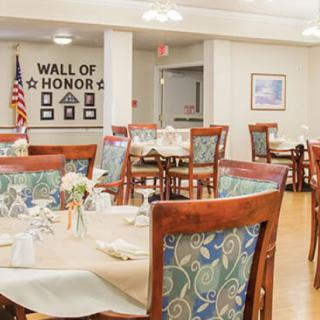
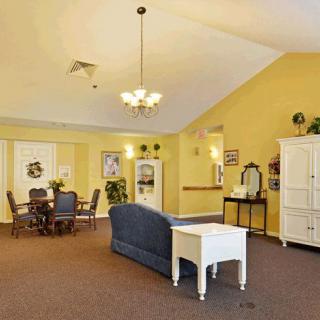
  • Indoor common areas Indoor common areasIndoor common areas are crucial for seniors as they provide a space for socialization, recreation, and community engagement, promoting overall well-being and reducing feelings of isolation and loneliness.
  • Wheelchair accessible showers Wheelchair accessible showersWheelchair accessible showers are crucial for seniors as they provide a safe and independent bathing option for those with mobility challenges. These showers help prevent falls and allow seniors to maintain their dignity and autonomy while ensuring they can bathe comfortably.

Activities

  • Activities off-site Activities off-siteEngaging in off-site activities is crucial for seniors to maintain social connections, stay active, and stimulate their minds. It promotes overall well-being and helps combat feelings of isolation and loneliness.
  • Activities on-site Activities on-siteActivities on-site are important for seniors because they provide opportunities for socialization, mental stimulation, physical activity, and overall well-being. Engaging in activities can help seniors stay active, maintain their independence, and improve their quality of life.
  • Holiday parties Holiday partiesHoliday parties are important for seniors because they provide opportunities for socialization, community involvement, and mental stimulation. These festive events offer a sense of belonging and connection during a time that can be lonely for many older adults. Additionally, participating in holiday celebrations can boost mood and overall well-being for seniors living in senior living communities.

Description

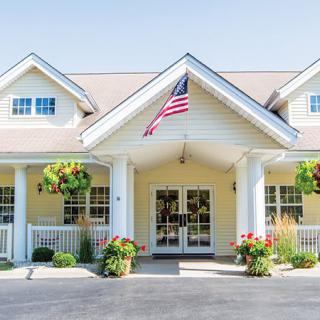
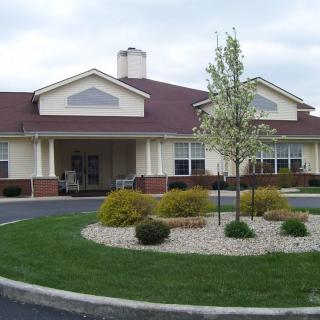
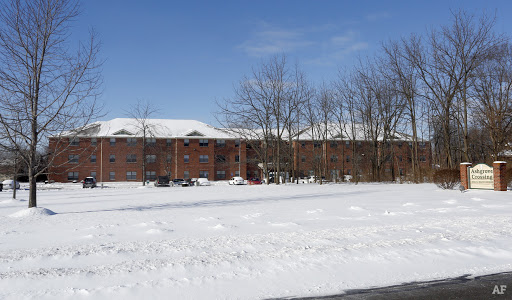
Ashgrove Crossing in Muncie, IN is an assisted living community designed to provide comfort, convenience, and a vibrant social atmosphere for residents. Our community offers a variety of amenities and services to enhance the quality of life for our residents.

Residents can enjoy a range of activities right on-site, promoting social interaction and engagement within the community. From holiday parties to daily activities, there is always something happening at Ashgrove Crossing.

Our spacious units are equipped with air-conditioning to ensure a comfortable living environment for all residents. Additionally, the ground floor units and handicap accessible features make it easily accessible for individuals with mobility challenges. The indoor common areas provide a welcoming space to relax or socialize with other residents.

For those who prefer cooking their own meals, our full kitchen facilities allow residents to prepare their favorite dishes just like they would in their own homes. Wheelchair accessible showers are available for added convenience and safety.

Living at Ashgrove Crossing also means having easy access to various amenities nearby. With 6 cafes, 4 parks, 9 pharmacies, 26 physicians, and 39 restaurants in close proximity, residents have plenty of options when it comes to dining out or running errands. Transportation services are also available nearby for those who require assistance getting around.

In addition, Ashgrove Crossing understands the importance of spiritual well-being and offers 5 places of worship nearby for residents to practice their faith. For entertainment purposes, there are 2 theaters located conveniently nearby as well.

Residents can also have peace of mind knowing that there are 7 hospitals in close proximity should any medical needs arise.

At Ashgrove Crossing in Muncie, IN, we strive to create a warm and inviting environment where residents can enjoy an active lifestyle while receiving the care they need.

Nearby Places of Interest

Hospitals

  • Muncie Health & Rehab. Center (0.2 miles)
  • Community Hospital Pregnancy Plus (0.7 miles)
  • Community Hospital Of Anderson (1.3 miles)
  • Darroca Roberto J A MD (2.4 miles)
  • Ball Memorial Hospital - South Tower (2.4 miles)
  • El Baño de MTU (2.4 miles)
  • N Ra Ball Memorial Hospital Dialysis (2.6 miles)

Places of Worship

  • Jehovahs Wtness South Con (0.3 miles)
  • Association of College Ministries (1.9 miles)
  • Greater Grace Apostolic Church (2.5 miles)
  • Ambassadors of Christ (2.6 miles)
  • Riverside Avenue Baptist Church (2.7 miles)

Pharmacies

  • Walgreens (0.4 miles)
  • Target Pharmacy (0.4 miles)
  • CVS Pharmacy (0.6 miles)
  • Payless Super Market Pharmacy (1 miles)
  • Bsu Healthcare Pharmacy (1.7 miles)
  • Walgreens (2.7 miles)
  • CVS Pharmacy (2.8 miles)

Restaurants

  • Olive Garden (0.4 miles)
  • Little Caesars Pizza (0.5 miles)
  • Red Lobster (0.5 miles)
  • Fazoli's (0.5 miles)
  • Chick-Fil-A (0.5 miles)
  • KFC (0.6 miles)
  • Chili's Grill & Bar (0.6 miles)

Physicians

  • Lifetime Skin Care Centers (0.5 miles)
  • Audibel of Muncie (0.6 miles)
  • Dr Lenig O.D. Drs. Shelly, Koons (1 miles)
  • Kara J Wulff, DDS PC (1 miles)
  • Muncie Allergy Center Psc (1.2 miles)
  • Vision Associates (1.2 miles)
  • Associates In Surgery of Muncie (1.2 miles)

Cafes

  • Starbucks (0.6 miles)
  • Panera Bread (0.6 miles)
  • Sunshine Cafe (1.3 miles)
  • Red Apple Cafe (1.3 miles)
  • The Caffeinery (2.4 miles)
  • Concannon's Bakery Cafe (2.9 miles)

Theaters

  • AMC Muncie 12 (0.6 miles)
  • Slayr Cinema (2.4 miles)

Transportation

  • Delaware County Airport (1 miles)
  • U-Haul Moving & Storage (1.1 miles)

Parks

  • McCulloch Park (1.7 miles)
  • Tuhey Park (1.9 miles)
  • Cardinal Greenway (2 miles)
  • Cornerstone Park (2.2 miles)

Frequently Asked Questions

How much does it cost to live at Ashgrove Crossing in Muncie, IN?
Where is Ashgrove Crossing?
Does Ashgrove Crossing allow residents to have pets?

Nearby Communities

Assisted Living in Nearby Cities

Related Resources

  • palliative care vs hospiceUnderstanding the Nuances of Palliative Care and Hospice: A Comprehensive Exploration

    Palliative care focuses on alleviating distress at any stage of a serious illness and can accompany curative treatments, while hospice care is for those nearing the end of life with a prognosis of six months or less, emphasizing comfort over curative measures. Both prioritize holistic care for patients and families but differ in timing, goals, and scope.

  • fecal incontinenceFecal Incontinence in Older Adults: A Comprehensive Guide

    Fecal incontinence, prevalent among older adults, arises from factors like weakened pelvic muscles and nerve damage, significantly affecting well-being and social interactions. Diagnosis involves clinical evaluation and tests to inform tailored treatments, while caregivers and preventive measures can aid in managing the condition effectively.

  • anticipatory griefRecognizing the Journey: Understanding and Navigating Anticipatory Grief
    Anticipatory grief is an emotional response to the impending loss of a loved one, characterized by complex emotions such as sadness and anger, and involves navigating stages similar to those identified by Kübler-Ross. Coping strategies are vital for managing this process, emphasizing compassionate communication, self-care, and support groups while recognizing the cultural influences on grieving.