
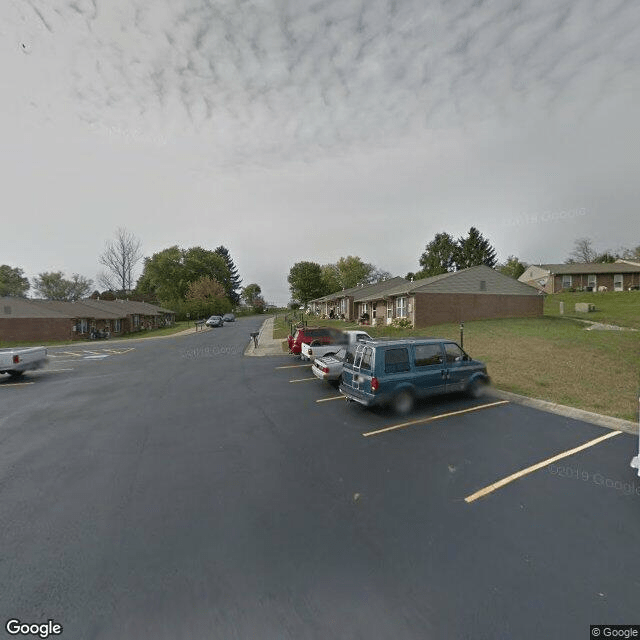
115 Spencer, Milltown, IN 47145
To contact a resident: (812) 633-4415
For more information about senior living options: (866) 208-4318
Overall Review of Milltown Housing-Elderly
Pros
 The complex is described as nice and clean, delivering on its promises and providing adequate housing for low-income seniors, with staff handling glitches well.
- An aunt who lives there has a nice little apartment that is kept clean outside.
- It is a clean, friendly place with nice people.
- It is a great place to live.
- It is a nice place.
- The residents are nice and friendly, and they go on road trips around Southern Indiana.
Cons
 The reviewer notes that the complex is not suitable for elderly residents.
- One reviewer states the handrails need maintenance.
- A reviewer accuses a local police officer of abusing authority to turn neighbors against each other and advises against moving there.
- The reviewer complains that conditions never improve.
- The apartment is described as having burn holes in the carpet, rent increases, an inaccessible handicapped shower, limited privacy due to nosy neighbors, Section 8-related rent hikes, and constant reevaluation with excessive paperwork.
- The staff are described as unhelpful and uncaring, focused on money.
Review
Milltown Housing-Elderly is best suited for low-income seniors who want basic, independent living at an affordable price and who value a clean, quiet, socially engaged environment more than on-site care. It works well for residents who can manage their own daily needs and who are willing to tolerate limited staff support and occasional administrative quirks. The community awards a sense of camaraderie, and residents report friendly, approachable neighbors and opportunities to join social outings. This is not a facility built around intensive assistance or medical oversight, so those needing constant help or highly structured services should look elsewhere. For families prioritizing price and community feel over hands-on care, Milltown can be a reasonable fit; for those who require robust supervision, it is wise to consider alternatives.
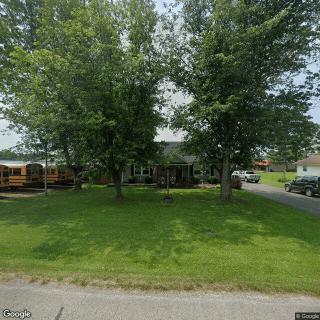
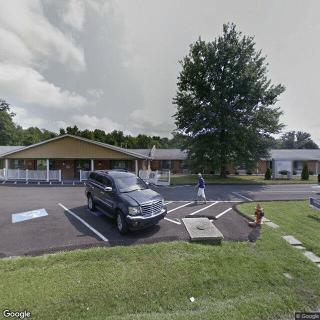
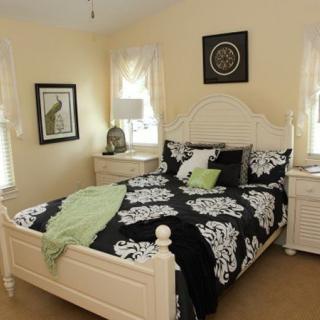
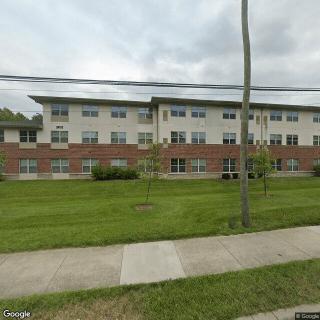
On the upside, the essentials are solid: the complex reads as clean and well-kept, with apartments that meet basic needs for independent seniors. The exterior and common areas are described as tidy, and the living spaces are generally functional for everyday use. Residents repeatedly note a friendly, welcoming atmosphere and a sense that neighbors look out for one another. Importantly, the place tends to “do what it advertises,” delivering affordable housing in a straightforward package, and residents describe enjoying social activities and local excursions that help combat isolation. In short, there is real value for those who only require modest day-to-day support and desire a community rather than a higher-service institution.
Yet the drawbacks are tangible and frequent enough to demand serious consideration. Several reviews flag questions about whether the setting is truly appropriate for all elderly residents, with some comments signaling discomfort around safety and governance or broader suitability for frail individuals. Maintenance and accessibility concerns surface in specific, concrete ways: burned carpet spots in units, a shower head positioned too high in a handicapped apartment, and railing issues that compromise mobility safety. Privacy and social dynamics also appear as ongoing tensions for some residents, with claims of intrusive neighbors and a sense that oversight or response to concerns can be inconsistent. Rent behavior tied to Section 8 status, frequent reevaluation requirements, and a heavier administrative load in the lease process add to the impression of a management model that prioritizes financial and bureaucratic processes over tenant comfort at times. These factors combine to create a picture of a property that can be workable, but not without friction.
Despite these challenges, the prospective value remains real for the right resident. The affordability is meaningful when budgets are tight, and the clean, modest environment helps maintain a stable living footing without bleeding resources on rent. The social fabric matters just as much: friendly neighbors, accessible car trips, and a sense of community can significantly enhance daily life for independent seniors. When glitches occur, there is a track record of responsive handling, suggesting that problems are resolvable if residents are comfortable advocating for themselves and pushing for timely fixes. For families prioritizing low-cost housing with a collegial atmosphere and acceptable risk of management missteps, these positives can outweigh the negatives, provided expectations are kept in line with the reality of limited on-site care.
The practical takeaway is clear: Milltown Housing-Elderly is a pragmatic option for families and seniors who value affordability, cleanliness, and social connection over hands-on services and ironclad safety nets. Those needing reliable, around-the-clock assistance, guaranteed privacy, or strong, proactive on-site management should consider alternatives, assisted living facilities with licensed caregiving, memory-care-focused communities, or other subsidized independent living options that offer clearer governance and more robust support. Prospective residents should plan a careful visit, inspect accessibility features, verify the condition of rails and bathrooms, and ask pointed questions about rent adjustments, paperwork cadence, and the responsiveness of staff. Above all, gather perspectives from current residents to gauge whether the community’s culture aligns with personal needs and expectations.
 Assisted Living
 Activities on-site
 Devotional services off-site
 Indoor common areas
 Ambulatory care
 Diabetic care
 Meals provided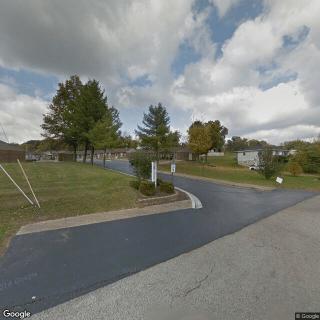


 Assisted Living and Memory Care: Understanding Their Core Differences
 Beyond the Bingo Hall: 50+ Enriching Activities for Seniors in Assisted Living
 Understanding the Distinctions: Assisted Living and Memory Care Explained