For more information about senior living options: (866) 208-4318
3.1 from 35 reviews
5 stars
16
4 stars
3
3 stars
0
2 stars
0
1 stars
16
Indian Creek Healthcare Center Costs & Pricing
Indian Creek Healthcare Center offers private room accommodations at a monthly cost of $4,200. This price positions the center above the average monthly rate in Harrison County, which stands at $3,700, but slightly below the state average for Indiana at $4,418. While Indian Creek's fees may appear higher than those found locally, they reflect a commitment to quality care and enhanced services that can often justify the additional expense for families seeking comprehensive support for their loved ones. The pricing structure underscores the balance between local market conditions and state-wide healthcare costs, ensuring residents receive value aligned with their needs.
Floor plans
Indian Creek Healthcare Center
Harrison County
Indiana
Private
$4,200
$3,700
$4,418
Skilled Nursing Facilities with a similar price nearby
Residents and families describe skilled medical care, including dementia-focused support.
One family member describes the facility as a nursing home with a skilled nursing memory care wing and says staff helped keep their concerns at ease. Several other residents’ families praise the care their loved ones receive and say patients are taken care of. Another review also focuses on choosing the facility for how their loved one is treated rather than appearance, reinforcing that care quality is the central reason people mention it.
common9 reviews mention this
Staff warmth is often noted
Many reviews highlight kind, responsive staff members who treat residents like family.
Multiple reviewers describe the staff as friendly, helpful, kind, and caring. Several family members say staff communicate well with them and call residents by name, and one review says the atmosphere feels family-like. Others praise the staff’s support for families who visit and mention that residents are kept clean and cared for.
caveat16 reviews mention this
Negative reports about neglect and abuse
A substantial share of reviews make serious complaints about neglect and misconduct.
Many critical reviews describe unsafe or harmful experiences, including allegations of patients being sent out unresponsive, abuse happening, and theft involving patient belongings or medication. Others say the staff is disrespectful, negligent, or cruel, and one review calls out bullying behavior. A review also mentions understaffing linked to a fall, and another describes an unsympathetic response to a hygiene issue during a deathbed situation.
caveat3 reviews mention this
Pet policy appears inconsistent
Reviews about bringing pets vary, with some saying visits are welcome and others saying not to.
One family member says they are able to take their family dog to visit residents, calling it significant. In contrast, other reviewers say they would not bring a dog and describe problems with how pets and patients are handled. Because experiences conflict, it’s worth asking directly about pet visit rules and expectations before moving forward.
caveat2 reviews mention this
Older facility and room concerns
Some reviews cite the building condition and room setup as concerns.
One reviewer notes the facility is older and says they would not be looking for a modern, up-to-date appearance. Another family member describes a cluttered room, discomfort with temperature, and difficulty accessing basic items like a thermostat or TV setup, along with staff decisions they view as unsafe. Taken together, these comments point to potential issues beyond day-to-day caregiving.
How we summarize
Counts show how many written reviews mention each theme; a review can touch several themes, and only frequently mentioned themes are displayed.
Features
Housing
135 resident community capacity
Types of Care
Assisted Living
Memory Care
Skilled Nursing Facility
Amenities
Air-conditioning
Beauty salon
Cable or satellite TV
Computer center
Dining room
Fitness room
Fully furnished
Gaming room
Garden
Housekeeping services
Kitchenette
Move-in coordination
Outdoor space
Private
Private bathrooms
Restaurant-style dining
Small library
Telephone
Wellness center
Wi-Fi/high-speed internet available
Transportation
Louisville International-Standiford (21 miles away)
Community operated transportation
Transportation arrangement
Care Services
24-hour call system
24-hour supervision
Activities of daily living assistance
Assistance with bathing
Assistance with dressing
Assistance with transfers
Diabetes diet
Meal preparation and service
Medication management
Special dietary restrictions
Dining
Diabetes diet
Special dietary restrictions
Activities
Community-sponsored activities
Concierge services
Fitness programs
Planned day trips
Resident-run activities
Scheduled daily activities
Videos
Nearby Places of Interest
This part of Corydon, Indiana offers a variety of amenities that may appeal to someone considering senior living. With a range of restaurants, hospitals, physicians, cafes, places of worship, parks, pharmacies, and even a nearby theater, residents have easy access to essential services and recreational activities. The proximity to Harrison County Hospital and several medical facilities ensures convenient healthcare options for any potential medical needs. Additionally, the peaceful and natural surroundings of Hayswood Park, Hayswood Nature Reserve, and other parks provide opportunities for leisurely walks or outdoor activities. Overall, this area provides a comfortable and convenient setting for seniors looking for a welcoming community with plenty of resources at their fingertips.
Restaurants
Tyson Foods (0.2 miles)
Magdalenas Restaurant and Gourmet Gift Shop (0.6 miles)
Rockey's Dock Seafood (1.5 miles)
Tenda El Probedor (1.9 miles)
McDonald's (2 miles)
Culver's (2.2 miles)
Lee's Famous Recipe Chicken (2.2 miles)
Hospitals
County of Harrison (0.3 miles)
Da Vita (1.9 miles)
Frazier Rehab Institute (2.3 miles)
Harrison County Hospital (2.8 miles)
Frazier Rehab Institute-Meade County (14.4 miles)
Jewish Hospital Health Center-meade County (14.5 miles)
Physicians
Kids First Pediatrics Specs (0.3 miles)
James K Homrighausen DMD (1.7 miles)
Hall, Deborah Dr - Kids First Pediatric Specialists (2.2 miles)
Forefront Dermatology Corydon, In (2.8 miles)
Harrison County Pain Clinic (2.8 miles)
Kenneth J Renner MD (2.9 miles)
Insight Eyecare Associates (8 miles)
Cafes
Fredrick's Caf (0.6 miles)
The Daily Grind (14.1 miles)
Places of Worship
Church of Jesus Christ of Latter Day Saints (0.7 miles)
Catholic Community of St Joseph Corydon (0.7 miles)
Indian Creek Healthcare Center offers private room accommodations at a monthly cost of $4,200. This price positions the center above the average monthly rate in Harrison County, which stands at $3,700, but slightly below the state average for Indiana at $4,418. While Indian Creek's fees may appear higher than those found locally, they reflect a commitment to quality care and enhanced services that can often justify the additional expense for families seeking comprehensive support for their loved ones. The pricing structure underscores the balance between local market conditions and state-wide healthcare costs, ensuring residents receive value aligned with their needs.
The features offered at Indian Creek Healthcare Center are essential in supporting residents with dementia or Alzheimer's disease, as they provide a holistic approach to care that addresses both physical and cognitive needs. Assistance with dressing and bathing helps maintain personal hygiene and dignity, while meal preparation and service ensure that nutritional requirements are met, which can impact overall health and cognitive function. Medication management is critical in preventing potential complications from missed doses or adverse interactions, thereby promoting stability in their health condition. Assistance with transfers enhances mobility, reducing the risk of falls and promoting independence. The provision of assistance with activities of daily living fosters a sense of normalcy and routine for residents, essential for their well-being. Furthermore, 24-hour supervision offers safety and reassurance to both residents and their families, ensuring immediate support is available whenever needed. Together, these features create an environment conducive to comfort, security, and quality of life for individuals facing memory challenges.
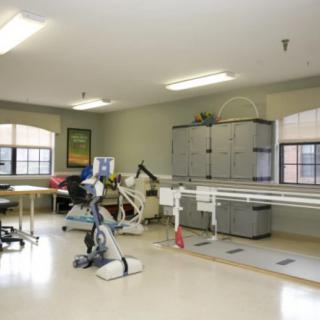
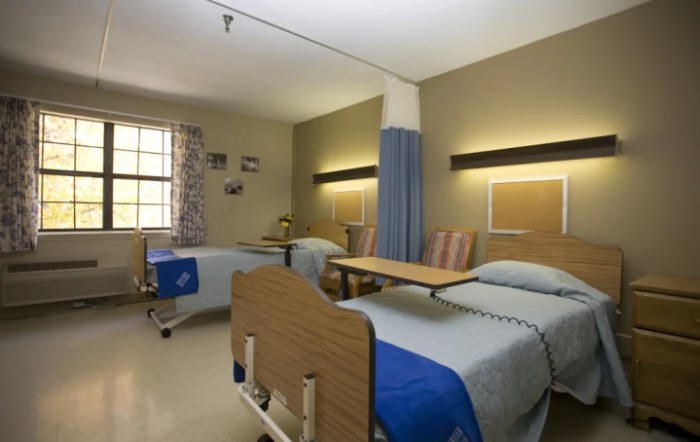
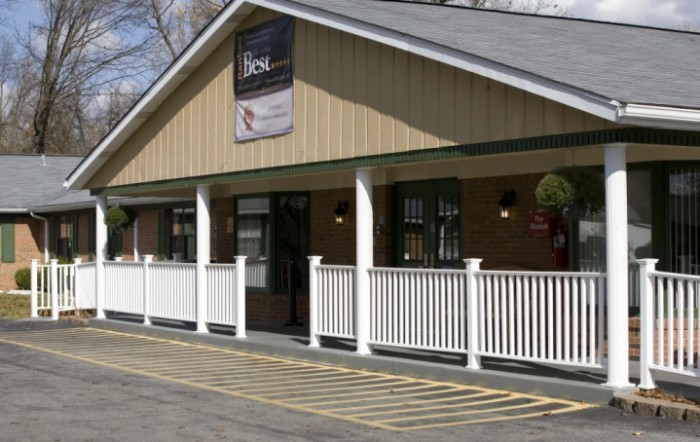
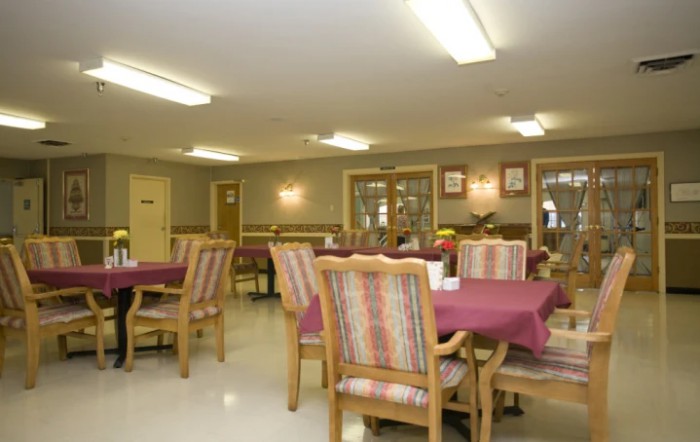
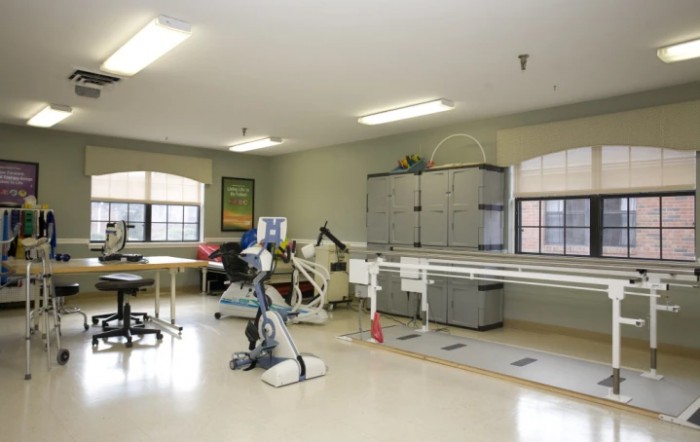
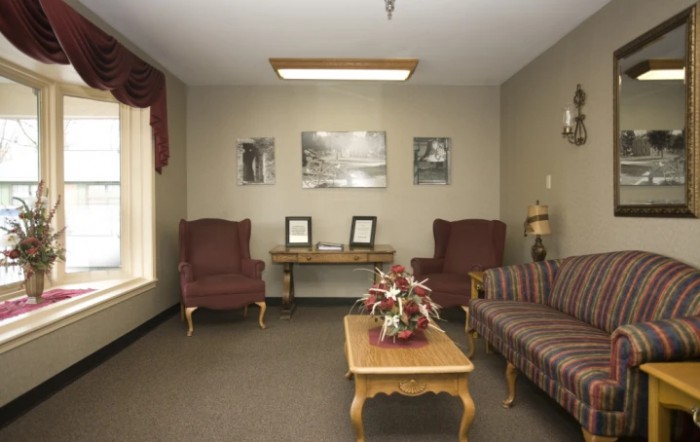
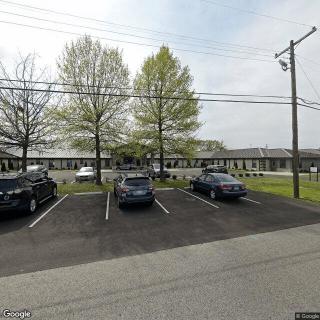
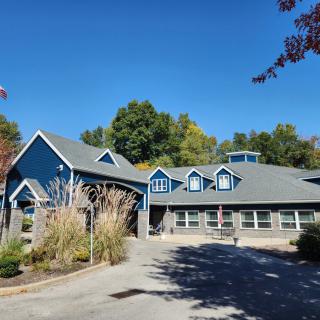
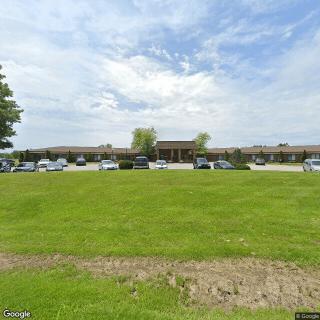
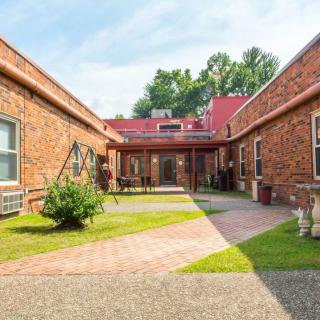
Indian Creek Healthcare Center on seniors.fyi includes 6 photos including images showing interior, healthcare, dining, lighting, therapy room, decor, artwork, windows, and more.
Nearby Communities
Harrison Healthcare Center
Corydon, IN
3.7 from 40 reviews
Approachable management with potential to improve pain management.
Corydon Health Care Ctr
Corydon, IN
5 from 1 review
Convenient location with nearby dining, pharmacies, parks, and healthcare providers.
Cedar Court
Corydon, IN
4.3 from 11 reviews
$2,195 to $3,130 / month
Very clean and well-maintained environment with friendly staff and engaging activities and dining.
Rest Care Group Home
Corydon, IN
3.8 from 6 reviews
Serene environment with convenient amenities and strong nearby healthcare access.
Harrison Springs Health Campus
Corydon, IN
4.4 from 43 reviews
$3,000 to $4,650 / month
Clean, well-maintained facility with good food and caring, attentive staff.
Golden Guardians
Corydon, IN
Warm, personalized care with engaging activities in a safe, comfortable setting.
Rockford Manor Intermediate Cr
Shively, KY
4.2 from 84 reviews
Caring staff (CNAs/therapists), positive atmosphere, clean facility, and quality meals.
Villages At Historic Silvercrest
New Albany, IN
4.3 from 63 reviews
$2,363 to $4,260 / month
Active community with good meals and friendly front-office staff.
Azalea Hills
Floyds Knobs, IN
4 from 22 reviews
Clean dining area and rooms; friendly staff and engaging activities.
Dementia affects memory and cognitive function in older adults, presenting challenges for caregivers due to behavioral changes such as confusion and mood swings. Compassionate, person-centered care that considers individual history and preferences, along with effective communication and environmental modifications, is essential for supporting both patients and their caregivers.
Dementia leads to cognitive impairment and can cause emotional and behavioral changes, including aggression that arises from frustration, confusion, or fear. Effective coping strategies for caregivers include understanding dementia's nature, recognizing triggers, using empathetic communication, and employing non-pharmacological interventions like music and art therapy.
Dementia causes cognitive decline and challenging behaviors that caregivers must manage, necessitating an understanding of the neurological basis of these issues. Effective strategies and self-care for caregivers can enhance support for those with dementia and improve their daily lives.
Exercise Equipment, Rehabilitation, and Therapy Room
Healthcare
Get PricingAsk A QuestionSchedule A TourContact Senior Advisor
By clicking submit, you agree to our Partner's Terms of Use. You
also consent to receive calls and texts, which may be autodialed, from our Partner. Your consent is not a condition to
using our Partner's service. Please visit our Partner's Privacy Policy for information about their privacy practices.



 135 resident community capacity
 Assisted Living
 Memory Care
 Skilled Nursing Facility
 Air-conditioning
 Beauty salon
 Cable or satellite TV
 Computer center
 Dining room
 Fitness room
 Fully furnished
 Gaming room
 Garden
 Housekeeping services
 Kitchenette
 Move-in coordination
 Outdoor space
 Private
 Private bathrooms
 Restaurant-style dining
 Small library
 Telephone
 Wellness center
 Wi-Fi/high-speed internet available
 Louisville International-Standiford (21 miles away)
 Community operated transportation
 24-hour call system
 Activities of daily living assistance
 Assistance with bathing
 Assistance with dressing
 Assistance with transfers
 Diabetes diet
 Medication management
 Special dietary restrictions
 Concierge services
 Planned day trips
 Approachable management with potential to improve pain management.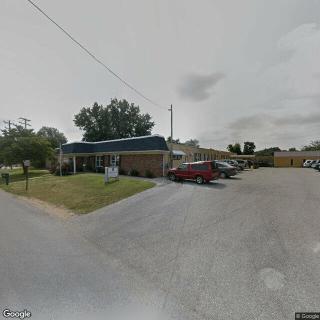




 Understanding Dementia Behaviors: Practical Insights and Strategies for Caregivers
 When Dementia Sparks Anger and Aggression: Understanding the Connection and Ways to Cope
 Dementia Behaviors: In-Depth Understanding and Effective Coping Strategies