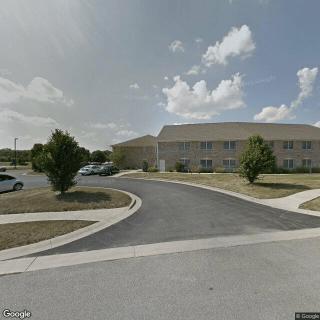
301 West Essex Street, Lebanon, IN 46052
For more information about senior living options: (866) 208-4318
Overall Review of Essex Nursing And Rehabilitation Center
Pros
 They are caring, competent and professional.
- There are some great employees here.
Cons
 The reviewer contends that patients' needs are not being met.
- They report shortages of medications and medical equipment.
- Testing is not being performed as required or requested.
- PHARMSCRIPT should be sued, and Chosen is blamed for allowing this to happen.
- The reviewer suggests taking loved ones elsewhere, implying safety concerns.
- They allege they were lied to by management about the care of their loved one.
- Having only 2-3 people on shift is described as unacceptable and incompetent.
- The reviewer says they will update the review only after improvements are made.
Review
Essex Nursing And Rehabilitation Center in Lebanon is best suited for families that want a hands-on, advocate-heavy approach to care. This community can work well for residents who benefit from personable frontline staff and are comfortable coordinating closely with caregivers and administrators. It is most appropriate for those who can commit to active involvement in care planning, frequent check-ins, and timely escalation when issues arise. If the aim is a worry-free environment with near-flawless medication handling, routine testing, and hands-off management, alternatives should be pursued.
On the positive side, there are caregivers here who demonstrate genuine dedication and professional conduct. When the team is aligned, residents experience attentive bedside care, respectful interaction, and competent clinical attention from staff who know how to respond to basic needs and comfort concerns. One reviewer highlighted a core strength: there are individual employees who show up with competence and professionalism, and that level of care can translate into meaningful daily benefit for residents who receive consistent, stable attention. Those moments of dependable care are real and valuable.
However, substantial operational red flags temper the favorable impression. The most serious concerns revolve around medication management and resource availability. Reported incidents of running out of medications and essential medical equipment point to fragile supply chains and communication gaps between the facility and external providers. The claim that testing is not performed as required or requested raises questions about how closely medical orders are followed and how responsive the system is to requested diagnostics. Combined with an assertion of deceptive communication from management and a chronic understaffing problem (2-3 aides per shift as described), these issues create real safety and reliability risks that cannot be ignored.
The key pros, compassionate frontline care and professional capability, do offset some risk when a stable, engaged team is in place and families stay actively involved. When clear lines of accountability exist and there is consistent staffing, residents can receive compassionate, competent care that improves comfort, mood, and daily function. Yet the offsetting effect wanes quickly as staffing becomes thin, supply chains falter, and management communications become inconsistent. In practical terms, the facility works best as a cooperative arrangement: families should expect to monitor med passes, confirm testing plans, and document concerns in a structured way, with a commitment from leadership to address problems promptly.
Those who may want to explore alternatives include families prioritizing medical rigor and operational reliability above all else. If a resident requires steady, error-free medication administration, reliable diagnostic testing, and transparent, trustworthy management, the reported patterns here warrant caution. Prospective residents would be wise to request specifics on staffing schedules, pharmacy partnerships, med-pass protocols, and the facility’s quality-improvement processes. A thorough tour focused on medication storage, equipment availability, and actual incident-response practices can reveal whether the current gaps are likely to persist or have improved since the last feedback cycle.
In the end, Essex Nursing And Rehabilitation Center presents a divided picture. The best-case scenario centers on engaged, capable staff delivering humane, attentive care within a framework where families collaborate closely with leadership. The worst-case reality involves medication lapses, equipment shortages, missed testing, and management communication that raises accountability concerns. For families able to commit to vigilant oversight and an explicit care plan that anticipates and mitigates gaps, the community can be a workable option. For those seeking a facility with consistently flawless operations and minimal need for advocacy, broader exploration is recommended.
 38 resident community capacity
 Assisted Living
 Skilled Nursing Facility
 Beauty salon
 Cable or satellite TV
 Dining room
 Fully furnished
 Garden
 Housekeeping services
 Kitchenette
 Move-in coordination
 Outdoor space
 Telephone
 Wi-Fi/high-speed internet available
 24-hour call system
 Activities of daily living assistance
 Assistance with bathing
 Assistance with dressing
 Assistance with transfers
 Diabetes diet
 Meal preparation and service
 Medication management
 Mental wellness program
 Special dietary restrictions
 Transportation arrangement (medical)
 Transportation to doctors appointments







 Comprehensive Insights into Activities of Daily Living (ADLs) and Their Assessment
 Medicare Coverage for Assisted Living: An In-Depth Exploration
 Your Comprehensive Guide to Luxury Assisted Living: Elevated Facilities, Amenities, and Costs