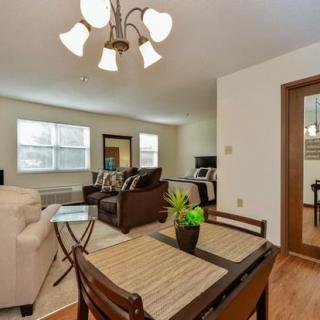
Eagle Creek Healthcare Center in Indianapolis, IN

Information last verified:

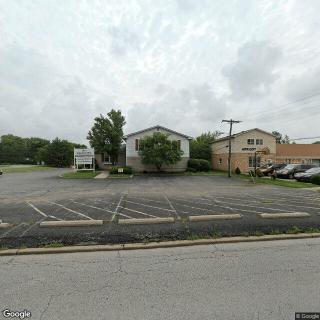
4102 Shore Drive, Indianapolis, IN 46254

For more information about senior living options: (844) 490-3973

2.6 from 72 reviews
5 stars
24
4 stars
4
3 stars
4
2 stars
2
1 stars
38

Overall Review of Eagle Creek Healthcare Center

Pros

  • pro Mattie is praised for being informative and getting to the root of problems.
  • pro The meals are excellent; the food is wonderful and enjoyable.
  • pro The staff are caring, helpful, and genuinely attentive to residents.
  • pro The art therapist is amazing and helps bring normalcy amid chaos.
  • pro Ethan Crossing is described as a place where healing, hope, and transformation happen every day.
  • pro The program design is noted for tailoring recovery plans to individuals, not a one-size-fits-all approach.
  • pro Front desk staff are friendly and welcoming, with Jenny and Cam singled out for their warmth.

Cons

  • pro They don’t clean the patient bathrooms, there is no hand soap, and when the toilet clogs you have to unclog it yourself, with a dirty plunger dragged through the halls.
  • pro They fail to relay messages about belongings or visits, leaving families waiting for calls that never come and raising concerns of abuse.
  • pro They mix mental health and detox patients, creating a chaotic and unsafe environment where patients feel unsafe and unheard.
  • pro They withhold or change medications inappropriately, often giving the wrong meds and failing to explain why.
  • pro They are rude, unprofessional, and in some cases steal from patients, demonstrating uncaring and negligent staff.
  • pro They neglect basic care and cleanliness—rooms and showers are dirty, towels are dirty, and there are moldy smells and cockroach sightings.
  • pro They fail to notify families promptly about a loved one’s condition or death, causing distress and confusion.
  • pro They provide poor communication and insufficient therapy, with phones often unanswered and little meaningful treatment or counseling.

Review

Best suited for families willing to be deeply involved and prepared to press for accountability, Eagle Creek Healthcare Center presents a cost-conscious option that hinges on vigilant oversight. The Indianapolis facility can deliver basic custodial care and routine nursing attention, but only when a family member stays engaged, tracking meals, cleanliness, and the accuracy of medications. In practice, care quality skews toward the staff members who choose to go the extra mile, while systemic lapses create a backdrop of risk. The harsh reality is that genuine continuity of care requires constant family intervention and a readiness to escalate concerns quickly. For residents with modest medical complexity and a family prepared to advocate relentlessly, the gap between promise and performance can be bridged. For those expecting consistent, high-standard care with minimal oversight, this community will repeatedly fall short.

Alternatives deserve serious consideration for most families, especially when safety, hygiene, and reliable communication are non-negotiables. If a loved one relies on steady medication management, prompt response to calls, and a clean, orderly environment, this campus may not deliver consistently. Those with significant medical or behavioral health needs should look to facilities with stronger staffing ratios and proven track records. And if family members cannot guarantee daily oversight, whether by returning calls, recovering belongings, or ensuring proper room upkeep, the risk footprint becomes too large here. In short, best-case scenarios require extraordinary family involvement; without that, other nursing homes or rehab centers with transparent procedures and verifiable outcomes are likely to provide greater peace of mind. The bottom line: alternatives will typically offer more reliable safety nets and predictable care routines.

Pros show up in the form of genuinely caring staff in pockets of the operation and in the moments when meals and staff interactions align. Several reviews praise the kitchen and food quality, noting meals that can be a bright spot amid a challenging stay. A number of residents and families highlight compassionate behavior from certain nurses, aides, and therapists, with a few individuals going beyond to help. Some rooms and accommodations appear comfortable, and when the team is aligned, there is a sense of humane, attentive care. Those positive threads demonstrate what the facility can provide when staffing is stable and leadership supports frontline workers. Yet these moments are not the norm, and they do not erase the broader pattern that many reviewers describe. The presence of a few good actors cannot compensate for the systemic gaps that recur in daily care and safety.

However, the dominant reality across many accounts is serious and persistent. Sanitation and hygiene appear inconsistent, with repeated reports of dirty bathrooms, unwashed towels, and insufficient cleaning of common areas. Basic supplies such as hand soap are not reliably available, and responses to malfunctions or complaints can be slow or absent. Communication breakdowns are widespread: messages to families go unreturned, and updates on residents’ conditions arrive late or not at all. Medication management is a recurring flashpoint, including dose changes without clear rationale, incorrect administration, and delays in essential prescriptions. The environment can feel chaotic and unsafe, with descriptions of staff yelling, patients experiencing distress, and instances of belongings going missing or being mishandled. In short, the risks posed by these gaps overwhelm any sporadic positives, making daily life difficult to endure and safety hard to guarantee. This is the core liability that potential residents must weigh most heavily.

From a decision-making perspective, a disciplined due-diligence plan is essential. Prospective families should request direct access to the administrator or director of nursing and insist on a written, measurable care plan with escalation steps. Touring at different shifts helps reveal consistency or the lack of it in staffing and attentiveness. A focused checklist on hygiene, room cleanliness, medication procedures, call-system responsiveness, and protection against loss or theft should accompany any visit. Request recent state inspection reports, past corrective action plans, and a clear explanation of how medications are stored, dispensed, and reconciled. Families should verify that there is a robust process for handling missing belongings and for notifying families about emergencies. If ongoing gaps appear, alternatives with stronger safety records are prudent. If staying, set explicit targets (response times, cleaning schedules, and daily medication verifications) and demand regular updates, with a plan for transfer if standards do not improve.

The bottom line is that Eagle Creek Healthcare Center presents a high-stakes choice. For most families, options with proven cleanliness, reliable communication, and safer medication practices are the smarter path. If the decision hinges on geography or cost, require a rigorous oversight framework and a defined transition plan before placement, and monitor progress with weekly briefings. For residents with limited medical complexity and a family capable of aggressive advocacy, the center may serve as a temporary solution, provided strict guardrails are in place. When a loved one has significant health, cognitive, or behavioral needs, however, this facility is unlikely to deliver the dependable care required. In those cases, prioritize facilities with transparent operations, consistent staffing, and documented success in safeguarding residents. The decision should rest on the ability to secure trustworthy care, clear communication, and a safe, clean environment, qualities that Eagle Creek Healthcare Center struggles to demonstrate consistently.

Features

Housing

  • 120 resident community capacity 120 resident community capacity

Types of Care

  • Assisted Living Assisted LivingAssisted living facilities provide crucial support and care for seniors who may need help with daily tasks such as medication management, bathing, and meal preparation. These communities offer a safe and comfortable environment where seniors can maintain their independence while receiving the assistance they need to thrive in their golden years.
  • Skilled Nursing Facility Skilled Nursing FacilitySkilled Nursing Facilities are crucial for seniors as they provide round-the-clock medical care, rehabilitation services, and assistance with daily activities. These facilities ensure that seniors receive the specialized care they need to maintain their health and well-being as they age.

Amenities

  • Air-conditioning Air-conditioningAir conditioning is important for seniors as they are more vulnerable to heat-related illnesses and may have underlying health conditions that make it difficult for them to regulate their body temperature. It helps to keep them comfortable, safe, and healthy in hot weather.
  • Beauty salon Beauty salonBeauty salons are important for seniors because they provide a space for them to feel pampered, socialize, and maintain their personal grooming and hygiene. Regular visits to a beauty salon can help boost seniors' self-esteem and overall well-being.
  • Cable or satellite TV Cable or satellite TVCable or satellite TV is important for seniors because it provides entertainment, news, and companionship, helping to combat loneliness and boredom. It also offers a wide range of programming options tailored to different interests and preferences.
  • Computer center Computer centerA computer center is essential for seniors as it provides access to technology, communication tools, and resources that can enhance their daily lives. It allows them to stay connected with loved ones, engage in online activities, and learn new skills, ultimately promoting socialization and mental stimulation.
  • Dining room Dining roomDining rooms are important for seniors as they provide a space for socialization, connection, and nutritious meals. They offer opportunities for residents to bond over shared meals, foster a sense of community, and promote healthy eating habits. Dining rooms also ensure that seniors have access to well-balanced meals tailored to their dietary needs and preferences.
  • Fitness room Fitness roomHaving a fitness room in a senior living community is essential for seniors to stay active, maintain their physical health, and improve their overall well-being. Regular exercise can help prevent falls, reduce the risk of chronic diseases, and promote mental sharpness. It also provides social opportunities for residents to connect with others and enjoy a sense of community.
  • Fully furnished Fully furnishedFully furnished senior living communities are important for seniors because they provide convenience, comfort, and a hassle-free moving experience. Seniors can easily settle into their new living space without the stress of having to buy and move furniture. This allows them to focus on enjoying their new home and community.
  • Gaming room Gaming roomGaming rooms are important for seniors as they provide a fun and engaging environment for socializing, cognitive stimulation, and physical activity. Games can improve memory, problem-solving skills, and overall mental well-being while fostering friendships and reducing feelings of isolation.
  • Garden GardenGardens are important for seniors as they provide a peaceful and therapeutic environment for relaxation, physical activity, and socialization. Being in nature has been shown to reduce stress, improve mood, and promote overall well-being. Gardens also offer opportunities for seniors to engage in gardening activities, which can improve mobility, flexibility, and cognitive function. Additionally, gardens create a sense of community and connection with others who share a passion for plants and outdoor spaces.
  • Housekeeping services Housekeeping servicesHousekeeping services are important for seniors because they help maintain a clean and safe living environment, promote independence, and reduce the risk of accidents or illnesses. Additionally, having assistance with household chores can alleviate physical strain and allow seniors to focus on other aspects of their well-being.
  • Kitchenette KitchenetteKitchenettes are important for seniors living in senior living communities because they provide the convenience and independence of being able to prepare simple meals and snacks in the comfort of their own living space. This can help promote a sense of autonomy and well-being for seniors, allowing them to maintain some level of control over their dietary choices and daily routines.
  • Move-in coordination Move-in coordinationMove-in coordination is important for seniors because it helps ease the transition into their new living environment. It ensures that all logistics, such as packing, organizing movers, and setting up utilities are taken care of, allowing seniors to focus on settling in and adjusting to their new home. Having a smooth move-in process can alleviate stress and anxiety, making the transition smoother and more enjoyable for seniors.
  • Outdoor space Outdoor spaceOutdoor spaces are important for seniors as they provide opportunities for physical activity, social interaction, exposure to natural light and fresh air, and a sense of connection to nature. Having access to outdoor spaces can improve overall well-being and quality of life for older adults living in senior communities.
  • Private bathrooms Private bathroomsPrivate bathrooms are important for seniors in senior living communities because they provide independence, dignity, and comfort. Having a private bathroom allows seniors to maintain their personal hygiene routines without the need for assistance, promoting a sense of autonomy and privacy. Additionally, private bathrooms help prevent the spread of infections and provide a safe and clean environment for seniors to navigate safely.
  • Restaurant-style dining Restaurant-style diningRestaurant-style dining is important for seniors because it allows them to enjoy delicious, nutritious meals in a social and upscale setting. This enhances their dining experience, promotes healthy eating habits, and fosters socialization with fellow residents, ultimately contributing to their overall well-being and quality of life.
  • Small library Small librarySmall libraries are important for seniors as they provide access to a variety of reading materials, including books, newspapers, and magazines. This can help stimulate their minds, keep them engaged, and provide a sense of community through book clubs and other social activities. Additionally, reading has been shown to improve cognitive function and overall mental well-being in older adults.
  • Telephone TelephoneTelephones are important for seniors as they provide a lifeline for communication with loved ones, emergency services, and healthcare providers. They offer a sense of security and independence, enabling seniors to stay connected and access assistance when needed.
  • Wellness center Wellness centerWellness centers are important for seniors because they offer a variety of programs and services that promote physical, mental, and emotional well-being. These centers provide opportunities for exercise, socialization, education, and relaxation, helping seniors maintain their overall health and quality of life.
  • Wi-Fi/high-speed internet available Wi-Fi/high-speed internet availableWi-Fi/high-speed internet is important for seniors to stay connected with loved ones, access online resources, and participate in virtual activities to combat feelings of loneliness and isolation. It also allows them to easily manage healthcare needs, access entertainment, and engage in lifelong learning opportunities.

Transportation

  • Indianapolis International (8 miles away) Indianapolis International (8 miles away)
  • Community operated transportation Community operated transportationCommunity operated transportation is crucial for seniors as it provides them with the means to access essential services, social activities, and medical appointments. It allows seniors to maintain their independence and quality of life by ensuring they can participate in activities outside of their homes. Additionally, community-operated transportation services offer a safe and reliable way for seniors to travel without having to rely on family or friends for assistance.
  • Transportation arrangement Transportation arrangementTransportation arrangements are crucial for seniors as they may face challenges with driving, mobility, or access to public transportation. Having reliable transportation services ensures that seniors can easily attend appointments, social activities, and maintain their independence and quality of life.

Care Services

  • 24-hour call system 24-hour call system24-hour call systems are important for seniors because they provide peace of mind and immediate assistance in case of emergencies. This technology ensures that help is always available, promoting safety and security for elderly individuals living alone or in assisted living facilities.
  • 24-hour supervision 24-hour supervision24-hour supervision is important for seniors to ensure their safety, well-being, and access to immediate assistance in case of emergencies or health issues. This constant support provides peace of mind for both seniors and their loved ones, allowing them to age in place with dignity and security.
  • Activities of daily living assistance Activities of daily living assistanceActivities of daily living assistance are important for seniors because they provide essential support with tasks such as eating, bathing, dressing, and mobility. This assistance helps seniors maintain their independence, dignity, and overall quality of life as they age.
  • Assistance with bathing Assistance with bathingAssistance with bathing is crucial for seniors as it helps maintain personal hygiene, prevents infections, and ensures their overall well-being and comfort. It also provides a sense of dignity and independence for seniors who may struggle with this task on their own.
  • Assistance with dressing Assistance with dressingAssistance with dressing is important for seniors because it helps maintain their independence, promotes personal hygiene, prevents accidents and injuries, and improves overall quality of life. This service ensures that seniors can continue to dress comfortably and confidently, despite any physical limitations they may have.
  • Assistance with transfers Assistance with transfersAssistance with transfers is crucial for seniors as it helps prevent falls and injuries, maintains their independence, and ensures they can safely navigate their living environment. It also provides peace of mind for both seniors and their loved ones.
  • Diabetes diet Diabetes dietA diabetes diet is crucial for seniors as it helps manage blood sugar levels, reduce risks of complications, and improve overall health and well-being. By following a balanced and nutritious diet tailored to their specific needs, seniors can better control their diabetes and enhance their quality of life.
  • Meal preparation and service Meal preparation and serviceMeal preparation and service are crucial for seniors as they may have limited mobility or energy to cook nutritious meals. Having access to healthy and convenient food options can ensure they are getting the proper nutrition needed to maintain their overall health and well-being.
  • Medication management Medication managementMedication management is crucial for seniors to ensure they are taking the right medications at the correct dosages and times. This helps prevent adverse drug interactions, reduces the risk of medication errors, and promotes overall health and well-being. Proactive management also allows for adjustments as needed based on changing health conditions or new prescriptions.
  • Special dietary restrictions Special dietary restrictionsSpecial dietary restrictions are important for seniors because age-related changes in metabolism and health conditions can make it difficult for their bodies to process certain foods. By following a diet tailored to their specific needs, seniors can maintain their overall health and well-being, manage chronic conditions, and reduce the risk of complications such as malnutrition or food interactions with medications.

Dining

  • Diabetes diet Diabetes dietA diabetes diet is crucial for seniors as it helps manage blood sugar levels, reduce risks of complications, and improve overall health and well-being. By following a balanced and nutritious diet tailored to their specific needs, seniors can better control their diabetes and enhance their quality of life.
  • Special dietary restrictions Special dietary restrictionsSpecial dietary restrictions are important for seniors because age-related changes in metabolism and health conditions can make it difficult for their bodies to process certain foods. By following a diet tailored to their specific needs, seniors can maintain their overall health and well-being, manage chronic conditions, and reduce the risk of complications such as malnutrition or food interactions with medications.

Activities

  • Community-sponsored activities Community-sponsored activitiesCommunity-sponsored activities are important for seniors as they provide opportunities for social interaction, mental stimulation, and physical activity. These activities can help improve overall well-being, combat loneliness and isolation, and promote a sense of belonging and purpose among older adults.
  • Concierge services Concierge servicesConcierge services are essential for seniors as they provide assistance with daily tasks and errands, enhance their quality of life by offering convenience and personalized care, and promote a sense of safety and security.
  • Fitness programs Fitness programsFitness programs are crucial for seniors as they help improve strength, flexibility, balance, and overall well-being. Staying active can reduce the risk of chronic diseases, improve mental health, and enhance quality of life in older adults.
  • Planned day trips Planned day tripsPlanned day trips are important for seniors because they offer opportunities for socialization, mental stimulation, and physical activity. They provide a change of scenery and help seniors stay engaged and connected to their community, promoting overall well-being and quality of life.
  • Resident-run activities Resident-run activitiesResident-run activities are important for seniors as they encourage social interaction, creativity, and a sense of autonomy. These activities empower seniors to stay engaged and active in their community while fostering meaningful connections with their peers.
  • Scheduled daily activities Scheduled daily activitiesScheduled daily activities are important for seniors because they provide structure, socialization, mental stimulation, and physical activity. Engaging in regular activities can improve overall well-being and quality of life for seniors living in a community setting.

Description

Located in Indianapolis, IN, Eagle Creek Healthcare Center is a premier assisted living community that provides exceptional care and services to its residents. As a skilled nursing facility, the center offers round-the-clock supervision and assistance with activities of daily living. The well-trained and compassionate staff are always available to provide assistance with bathing, dressing, transfers, and medication management.

Eagle Creek Healthcare Center prides itself on offering a wide range of amenities to enhance the quality of life for its residents. The community features a beauty salon where residents can indulge in pampering treatments. Cable or satellite TV is available in each room for entertainment purposes. Community-operated transportation ensures that residents have easy access to nearby amenities and scheduled day trips.

The center also offers various recreational spaces for residents' enjoyment. A fitness room is available for those who wish to maintain an active lifestyle. The gaming room provides opportunities for friendly competition among residents. For those who enjoy tranquility, the outdoor space and garden offer a serene environment.

Delicious meals are served in a restaurant-style dining setting, accommodating special dietary restrictions as needed. The small library provides an opportunity for residents to unwind with a good book, while the computer center allows access to technology and the internet for entertainment or communication purposes.

Eagle Creek Healthcare Center takes pride in promoting the overall well-being of its residents through various care services and activities. With move-in coordination services, transitioning into this community is seamless. Housekeeping services ensure a clean and comfortable living environment at all times.

Residents can participate in planned daily activities organized by the caring staff or create their own resident-run activities. Additionally, concierge services cater to individual needs and preferences. For those who require medical attention, there are several hospitals and physicians located conveniently nearby.

With numerous amenities designed to promote comfort and convenience, Eagle Creek Healthcare Center strives to provide an exceptional assisted living experience for its residents in Indianapolis, IN.

Nearby Places of Interest

Hospitals

  • Rehabilitation Hospital of Indiana (0.2 miles)
  • Advanced Wound Center at Community Westview Hospital (3.2 miles)
  • Assurance Of Indianapolis (3.6 miles)
  • IU Health West Hospital Emergency Medicine (4.7 miles)
  • Orthoindy (5.5 miles)
  • Hendricks Regional Health Brownsburg Hospital (5.8 miles)
  • Richard L. Roudebush Va Medical Center (6.1 miles)

Restaurants

  • Kulture Bar & Lounge (0.2 miles)
  • McDonald's (0.4 miles)
  • Rick's Café Boatyard (1.1 miles)
  • Spyke's Bar and Grille (2.8 miles)
  • Dawson's On Main (3.7 miles)
  • Rookies Sports Pub (3.8 miles)
  • Mug'n Bun Drive In (3.8 miles)

Physicians

  • Iu Medical Group (0.3 miles)
  • Shalom Health Care Center (2.8 miles)
  • Hill, Susan E, Do - Methodist Occupational Health (4.5 miles)
  • American Health Network (4.6 miles)
  • Mims Lisa A MD (4.7 miles)
  • St Vincent Sports Performance (5.3 miles)
  • Orthopaedics Of Indianapolis - Renn J Crichlow MD (5.5 miles)

Pharmacies

  • CVS Pharmacy (1.9 miles)
  • CVS Pharmacy (2.3 miles)
  • CVS Pharmacy (2.8 miles)
  • Walgreens (3.5 miles)
  • PCA Pharmacy (3.7 miles)
  • Walgreens (4 miles)
  • Walgreens (5.1 miles)

Parks

  • Meadowood Park (1.9 miles)
  • Eagle Creek Park (2.7 miles)
  • Watkins Park (6.2 miles)
  • Holliday Park (7 miles)
  • Military Park (7.2 miles)
  • White River State Park (7.3 miles)

Cafes

  • Starbucks (2.1 miles)
  • Starbucks (5.3 miles)
  • Panera Bread (5.7 miles)
  • Starbucks (5.9 miles)
  • Starbucks (6.4 miles)
  • Starbucks (6.7 miles)
  • Starbucks (7.9 miles)

Places of Worship

  • Speedway Christian Church (3.5 miles)
  • Al-Fajr Masjid (4.4 miles)
  • Connection Pointe Christian Church of Brownsburg (6.8 miles)
  • Tabernacle Presbyterian Church (7 miles)
  • St Luke Catholic Church (7.7 miles)

Transportation

  • U-Haul Moving & Storage at Michigan Rd (4.9 miles)
  • Concourse B (7.8 miles)

Theaters

  • Regal Shiloh Crossing (5.2 miles)

Frequently Asked Questions

Where is Eagle Creek Healthcare Center?

Nearby Communities

  • Northwest Manor Health Care Center

    Northwest Manor Health Care Center

    Indianapolis, IN

    4.1 from 61 reviews
     

    pro Caring staff and a pleasant, well-equipped environment with quality care and good dining.
  • Senior Helpers - Indianapolis,  IN

    Senior Helpers - Indianapolis, IN

    Indianapolis, IN

    4.7 from 28 reviews
    $3,999 / month

    pro Competitive private-room price ($3,999/mo) with broad nearby amenities and healthcare access.

  • Oasis at 56th

    Oasis at 56th

    Indianapolis, IN

    3.5 from 36 reviews
    $3,625 to $3,825 / month

    pro Friendly staff, clean facilities, and a diverse activities program.

  • Chapel of Grace Homecare LLC

    Chapel of Grace Homecare LLC

    Indianapolis, IN

    5 from 5 reviews
     

    pro Excellent access to nearby amenities and healthcare.

  • Servant Home Care,  LLC

    Servant Home Care, LLC

    Indianapolis, IN

    5 from 6 reviews
     

    pro Highly personalized, compassionate care with attentive caregivers and active owner involvement.

  • Eagle Valley Meadows

    Eagle Valley Meadows

    Indianapolis, IN

    3.9 from 58 reviews
     

    pro Memory Care unit praised and improvements under new leadership.

  • The Harrison

    The Harrison

    Indianapolis, IN

    4.1 from 132 reviews
    $2,800 to $3,940 / month

    pro Friendly staff in a bright, engaging community.

  • NeighborCare of Chapel Hill

    NeighborCare of Chapel Hill

    Indianapolis, IN

    4.2 from 129 reviews
    $719 to $1,059 / month

    pro Friendly, helpful staff; clean common areas and apartments; good value with utilities included and on-site amenities.

  • Robin Run Village

    Robin Run Village

    Indianapolis, IN

    3.5 from 111 reviews
     

    pro Active, friendly community with varied activities and strong amenities.

Related Resources

  • assisted living for seniors on social securitySocial Security Benefits and Assisted Living: Navigating Options Across the U.S.

    Assisted living costs often exceed Social Security benefits, necessitating a combination of funding sources like state aid and Medicaid. Understanding the interaction between Social Security programs and available financial support is essential for affording such care.

  • aid and attendance vaAn Extensive Exploration of the VA Aid and Attendance Benefit

    The VA Aid and Attendance benefit provides financial support to veterans needing assistance with daily living due to medical conditions or disabilities, augmenting standard VA pensions for services like in-home care. Eligibility is based on service duration, wartime status, income, and medical needs, with a detailed application process required to access funds for caregiving and home modifications.

  • senior move managementSenior Transition Services: Understanding Their Role, Cost, and Importance

    Senior move management services assist older adults in the relocation process by providing emotional support and organizational help, addressing unique challenges like downsizing and moving from long-term homes. These specialists collaborate with real estate agents and manage logistics, making the transition smoother for seniors and their families.