
5300 W 96th St, Indianapolis, IN 46268
To contact a resident: (317) 873-3371
For more information about senior living options: (866) 208-4318
Overall Review of Baptist Homes of Indiana Inc
Pros
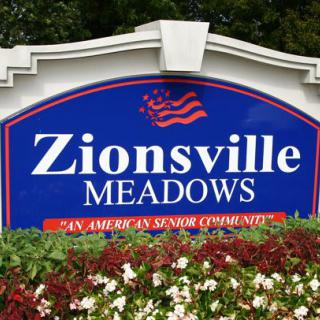
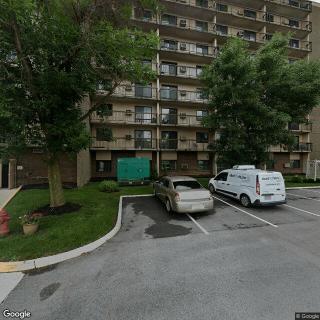
 The campus is beautiful.
Cons
 The corporate office simply directs people from one recording to another, offering no real assistance.
- The Executive Director at Four Seasons will not help anyone.
Review
This community is best suited for families seeking a traditional, campus-based senior living environment in Indianapolis, where aesthetics and a sense of place matter as much as daily routine. The campus atmosphere is repeatedly highlighted as a standout feature, suggesting that residents who value a calm, visually appealing setting will feel at home here. Baptist Homes of Indiana Inc can serve as a solid option for those who want a stable, long-standing organization with a pronounced on-site presence, rather than a slick, centralized corporate experience.
Those who should consider alternatives are families that prize consistently responsive leadership and proactive issue resolution from the top levels of management. The clearest red flag in the feedback is difficulty getting help from corporate contacts and a lack of traction with the local executive leadership when problems arise. If a family needs rapid, hands-on problem solving, transparent communications, and a clear, available point of contact across the network, another community with a more responsive governance culture may be a better fit.
The strongest pro is the physical and cultural appeal of the campus. A beautiful, well-maintained setting can translate into a higher quality day-to-day experience, better opportunities for social engagement, and a sense of pride for residents and families. When coupled with the reputation of a long-standing provider like Baptist Homes of Indiana, the campus can offer reassurance about continuity of care and established routines. In short, the environment itself often compensates for less-than-ideal administrative experiences, especially for residents who thrive in stable, familiar surroundings.
The principal cons center on leadership accessibility and corporate responsiveness. Review feedback consistently points to a frustrating experience trying to engage with the corporate office, described as labyrinthine or unhelpful, and to a particular executive director who is not readily accessible or effective in resolving concerns. This is more than a minor irritation; it shapes daily satisfaction and long-term trust. When families must navigate a multi-layered system to address even routine questions, the risk is that care gaps or misunderstandings go unaddressed, and issues linger rather than be resolved quickly.
The balancing act between pros and cons rests on how critical leadership responsiveness is to a given family. For those who prize a serene campus setting and are prepared to work within a more centralized, slower-moving administrative framework, the positives can outweigh the negatives. But for families where care coordination, timely problem-solving, and a strong advocate at the helm are non-negotiable, the drawbacks become a meaningful hurdle. Prospective residents should test the governance channel firsthand: request a direct point of contact, insist on clear escalation paths, and confirm who holds decision-making authority for ongoing service questions.
Bottom line: Baptist Homes of Indiana can deliver a high-quality living environment for residents who value a beautiful, stable campus and a traditional, disciplined atmosphere. It works best when expectations center on daily life stability, social opportunities on-site, and a resident-focused routine rather than rapid, high-touch problem resolution from upper management. Families with pragmatic tolerance for administrative friction, or those who can leverage local campus leadership effectively, will find this community a compelling option. For others, especially those who need immediate advocacy or a consistently responsive executive team, it is prudent to compare alternatives with reputations for tighter governance and more direct, action-oriented leadership. In any case, a site visit should prioritize meeting the local executive team, touring programming spaces, and probing how concerns are tracked and resolved over the first 90 days of residence.
 Assisted Living
 Independent Living
 Activities on-site
 Devotional services off-site
 Indoor common areas
 Indianapolis International (15 miles away)
 Ambulatory care
 Diabetic care
 Meals provided






 Choosing the Right Senior Care: A Detailed Exploration of Assisted Living and Nursing Homes
 Understanding the True Cost of Assisted Living in 2025: A Comprehensive Guide
 Understanding Medicaid Coverage for Assisted Living: A Comprehensive Guide