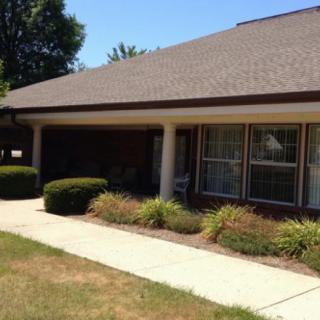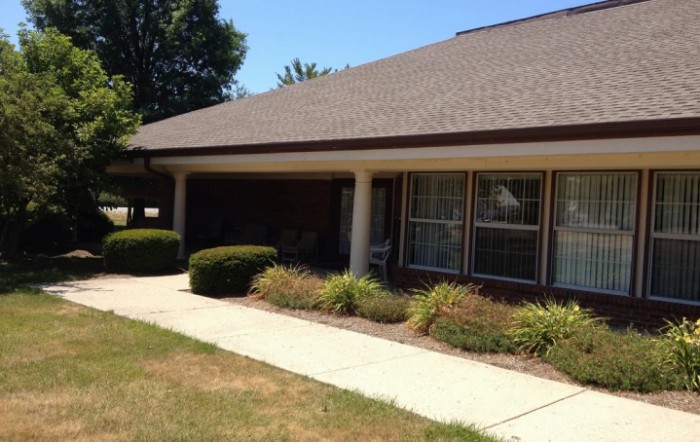
5430 West Us 40, Greenfield, IN 46140
For more information about senior living options: (866) 208-4318
Overall Review of Sugar Creek Rehabilitation And Convalescent Center
Pros
 Sugar Creek was very nice, and the staff was friendly.
- Most of the patients seemed to be happy and in a good mood.
- The facility has an activity coordinator and residents are taken on field trips, to the stores, or out to eat.
- There are plenty of things for residents to do.
- Residents are fed well.
- The nurses and finance managers are great.
- The facility offers a monthly support group that attendees found helpful.
- The building is being expanded, with a larger facility expected to be completed this fall.
Cons
 The staff at Sugar Creek are not impressive and haven’t been the entire time the resident has been there.
- Nurses are often unavailable to answer questions, requiring visitors to wander the halls to find someone.
- When found, nurses act like they don’t know anything and would be extremely inconvenienced to help.
- The staff appear unprofessional and lack a helpful, customer-service mindset.
- Information about incidents is not fully disclosed; there’s a sense that details are being hidden.
- The facility lacks transparency, leaving worried family members with little reassurance.
- Overall, the experience is disappointing and the staff have a lot of work to do.
Review
Sugar Creek Rehabilitation and Convalescent Center in Greenfield is best suited for seniors who want an intimate, activity-heavy setting and are comfortable with a smaller campus where Medicaid can offset costs. The facility’s appeal hinges on a social atmosphere: an activities coordinator, regular field trips, opportunities to dine out or visit nearby stores, and a sense that residents are engaged. For families prioritizing a home-like, neighborly feel over a polished, big‑box campus, Sugar Creek can deliver meaningful days and a meals program that supports weight maintenance. It also helps that the current footprint remains budget-conscious, with a plan to expand soon, which can be attractive to those who want a smaller, community-oriented vibe before a larger campus comes online.
That said, this community is not for every care scenario. Alternatives should be strongly considered for residents who require highly reliable, easily accessible nursing oversight and consistently clear communication. Several reviews highlight persistent contact barriers: staff are not readily available, questions go unanswered for long stretches, and there is real concern about transparency when incidents occur. Families dealing with complex medical needs, high fall risk without immediate nurse availability, or a desire for immediate, proactive problem-solving will likely find Sugar Creek lacking. Prospective residents with heavy dependence on regulated medications or urgent medical responses may be better served elsewhere.
The strongest positives here, an active social calendar, approachable activity programming, and solid meal service, do add meaningful quality of life. The facility’s small size can foster a sense of community where residents participate and caregivers know them by name. One review notes that the nurses and finance staff can be helpful, and the overall mood among residents appears generally positive. These factors offset some risk of isolation because there are structured activities and outings that keep residents connected. Additionally, the availability of Medicaid-friendly arrangements makes it more feasible for budget-conscious families to secure custodial or assisted living support without sacrificing engagement opportunities.
However, the main drawbacks cannot be dismissed. Staffing coverage appears inconsistent, with multiple accounts of difficulty reaching a nurse or obtaining timely information. The perception of selective transparency, where important details about incidents are not readily shared, creates a trust gap that no amount of activity programming can fully compensate. The building’s age and the ongoing construction of a larger facility contribute to a sense of impermanence or disruption, which can be unsettling for residents who value stability. And while the smoking-permitted aspect may be a decisive factor for some residents, it also signals a degree of policy rigidity that might not align with every family’s preferences for safety and smoke-free environments.
From a decision perspective, Sugar Creek offers a practical fit for families who weigh social enrichment and cost containment as equal or greater priorities than seamless clinical oversight. For those who insist on a consistently high-touch nursing presence, rapid incident resolution, and a transparent operational culture, red flags in staff responsiveness and communication should push consideration toward alternatives. It is essential to verify current staffing patterns, request a detailed description of incident reporting and follow-up procedures, and seek assurances about how the expansion will affect day-to-day operations and resident supervision once complete. A direct conversation with administrators about on-site nurse ratios, shift coverage, and the process for obtaining real-time updates is non-negotiable.
In the end, Sugar Creek stands as a pragmatic choice for a specific profile: a smaller, Medicaid-accessible setting with genuine social programming and a sense of home, balanced against a real need for improved staff consistency and communication. Families that can tolerate occasional lapses in responsiveness, trust-building challenges, and the tradeoff of an older facility with expansion underway will find tangible value here. Those whose priorities center on uninterrupted nursing availability, transparent incident handling, and a modern, stable campus will be wiser to explore other options before committing.
 60 resident community capacity
 Assisted Living
 Skilled Nursing Facility
 Air-conditioning
 Beauty salon
 Cable or satellite TV
 Computer center
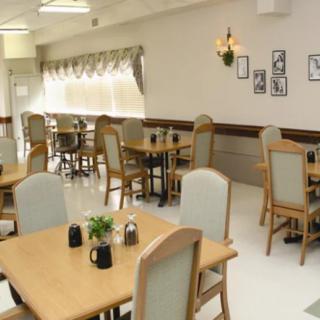
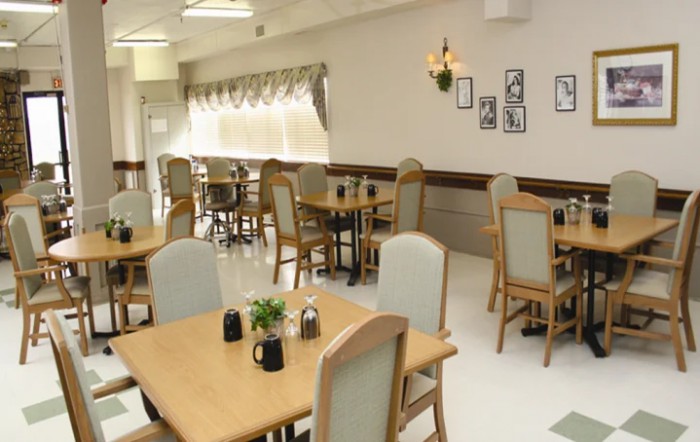
 Dining room
 Fitness room
 Fully furnished
 Gaming room
 Garden
 Housekeeping services
 Kitchenette
 Move-in coordination
 Outdoor space
 Private bathrooms
 Restaurant-style dining
 Small library
 Telephone
 Wellness center
 Wi-Fi/high-speed internet available
 Indianapolis International (18 miles away)
 Community operated transportation
 24-hour call system
 Activities of daily living assistance
 Assistance with bathing
 Assistance with dressing
 Assistance with transfers
 Diabetes diet
 Medication management
 Special dietary restrictions
 Concierge services
 Planned day trips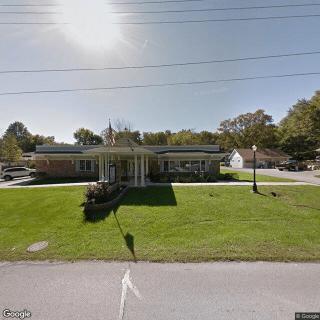





 Is Assisted Living Deductible on Your Taxes? Understanding the Complexities of Assisted Living Expenses and Deductions
 Assisted Living Support for Veterans: A Complete and Detailed Overview
 Exploring the Contrasts Between Assisted Living and Skilled Nursing