
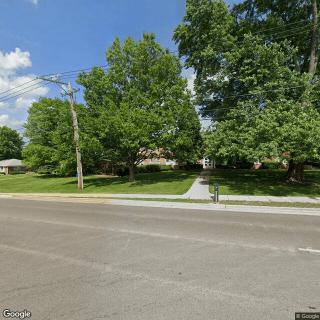
645 Handel Lane, Woodstock, IL 60098
For more information about senior living options: (866) 208-4318
Overall Review of Maples at the Sonatas
Pros
 It looks like a nice playground.
- It is great for grandkids.
- The kids loved it.
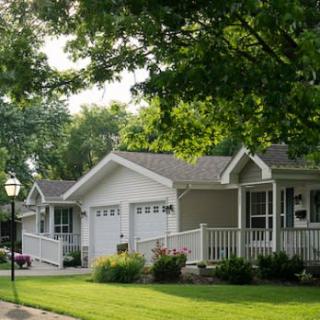
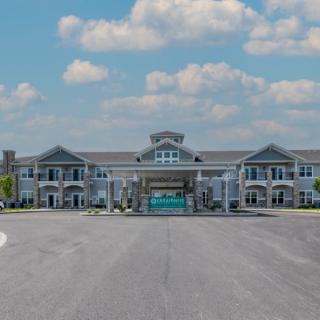
- It is beautiful.
Cons
 There are no negative statements expressed in the provided reviews.
Review
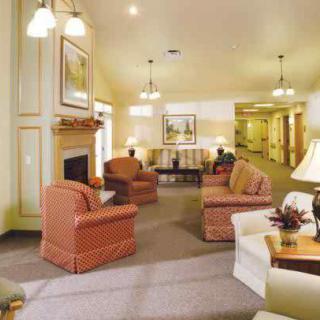
Maples at the Sonatas is best suited for seniors and families who prize an inviting, visually pleasing environment where grandchildren and visitors are naturally accommodated. The reviews point to a campus that feels welcoming and aesthetically reassuring, with remarks that it looks “beautiful” and that it’s “Great for grandkids” and “Kids loved it.” That combination suggests a community that emphasizes atmosphere, walkable grounds, and a vibe that supports intergenerational interaction. For residents who want to live somewhere their families will enjoy visiting, and where outdoor spaces and curb appeal contribute to daily well-being, this community presents a compelling fit.
That said, several decision-critical factors are not addressed in the available feedback. Prospective movers should consider alternatives if the priority is robust, clearly documented care, clinical oversight, memory care options, or transparent pricing, rather than ambiance alone. The absence of concrete information about staffing, care plans, activities, dining quality, transportation, and safety programs means potential residents may encounter a mismatch between expectations and reality. Families who need detailed assurances about care levels and ongoing medical support will want to compare with other communities that publish these metrics openly.
The positive elements, an attractive setting, ease of navigation, and a family-friendly feel, do carry meaningful weight. A pleasant environment can ease daily life, reduce stress for residents, and make visiting a natural, enjoyable experience. When intergenerational connections are a priority, a campus that signals warmth and accessibility can significantly enhance quality of life. In that sense, the pros give comfort and flexibility that support practical living: ease of social engagement, low friction in family visits, and a serene backdrop for daily routines. Yet these advantages are most effective when paired with reliable care services, which are not clearly documented here.
The core drawback remains the lack of explicit, trustworthy information about care quality and operations. The reviews do not reveal whether staff-to-resident ratios meet best-practice standards, whether registered nurses are on-site 24/7, how care plans are developed and updated, or how residents’ medical needs are coordinated with outside providers. Details about daily programming, activity calendars, transportation options, and dining experiences are also missing. In the absence of this, families must weigh the environmental strengths against the risk of unclear care support, especially for residents with higher acuity, dementia, or mobility challenges.
To decide decisively, visitors should demand a hands-on assessment: schedule a formal tour and request to meet the administrator and the caregiving team; review a sample weekly activity calendar, a current care plan, and a copy of the dining menu; ask for staffing schedules and nurse availability by shift; and obtain references from current residents or families. It is prudent to obtain a clear, itemized cost breakdown, including what is included in base fees and what incurs extra charges, so the total monthly commitment is transparent. Compare these concrete details with nearby communities that publish similar information to ensure a true apples-to-apples comparison.
In the final analysis, Maples at the Sonatas stands out for families who prioritize a welcoming, aesthetically appealing setting where grandkids can feel at home and visitors are consistently accommodated. It represents a strong choice for those whose primary concern is atmosphere, accessibility, and intergenerational interaction. However, for families requiring rigorous, clearly communicated care metrics, or for residents needing substantial medical or memory-care support, this community should be weighed against alternatives that provide explicit staffing levels, care protocols, and comprehensive service disclosures. The recommended path is a candid tour combined with a demand for complete care documentation before making any commitment.
 6 resident community capacity
 Active Adult Communities (55+)
 Housekeeping services
 Telephone
 Wi-Fi/high-speed internet available
 Assistance with dressing
 Meal preparation and service
 Medication management
 Diabetes diet
 Special dietary restrictions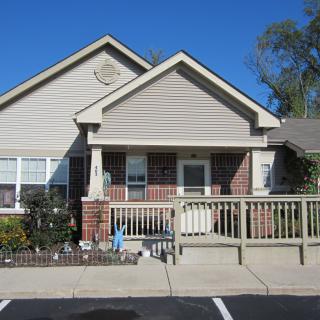



 In-Depth Look at the VA Aid and Attendance Program
 Nurturing Our Loved Ones: A Daughter's Journey in Caring for Her Mother
 Nurturing Our Elders: Linda's Journey of Supporting Her Mother