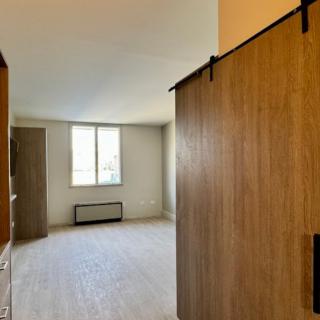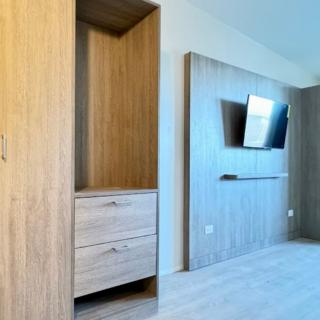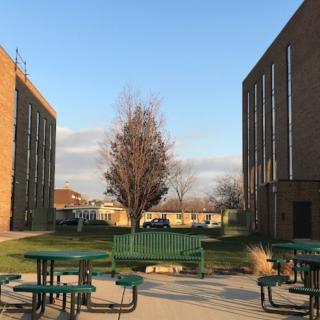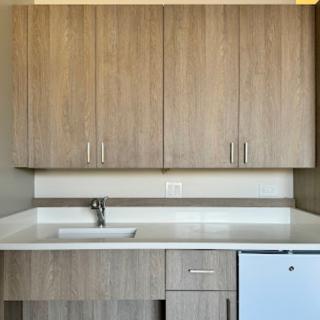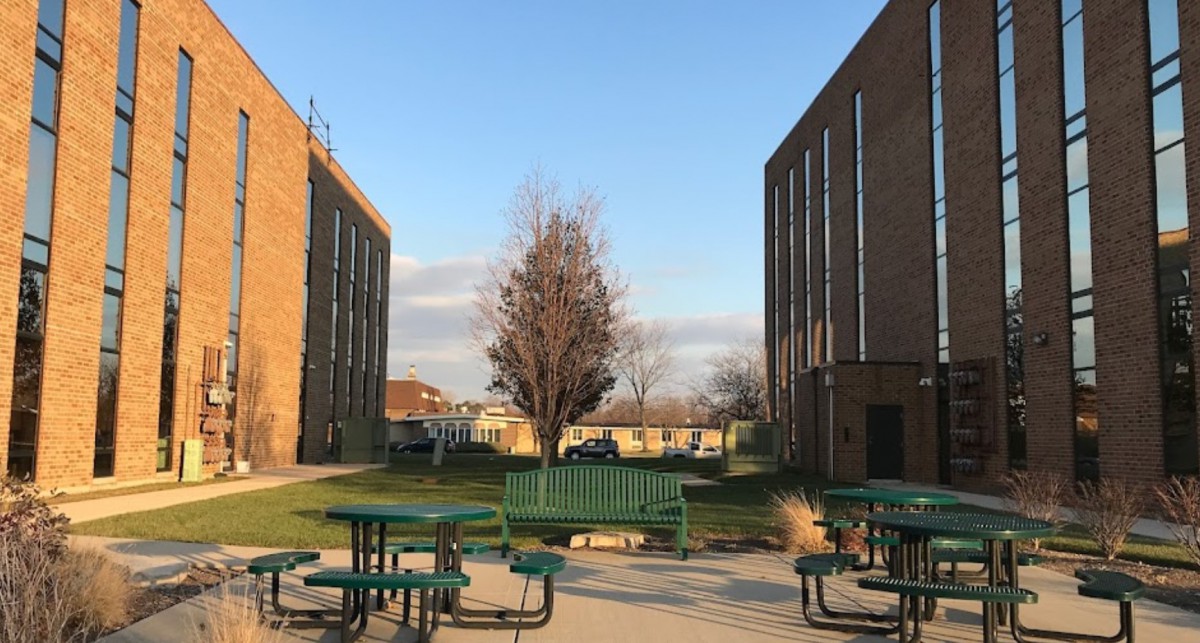
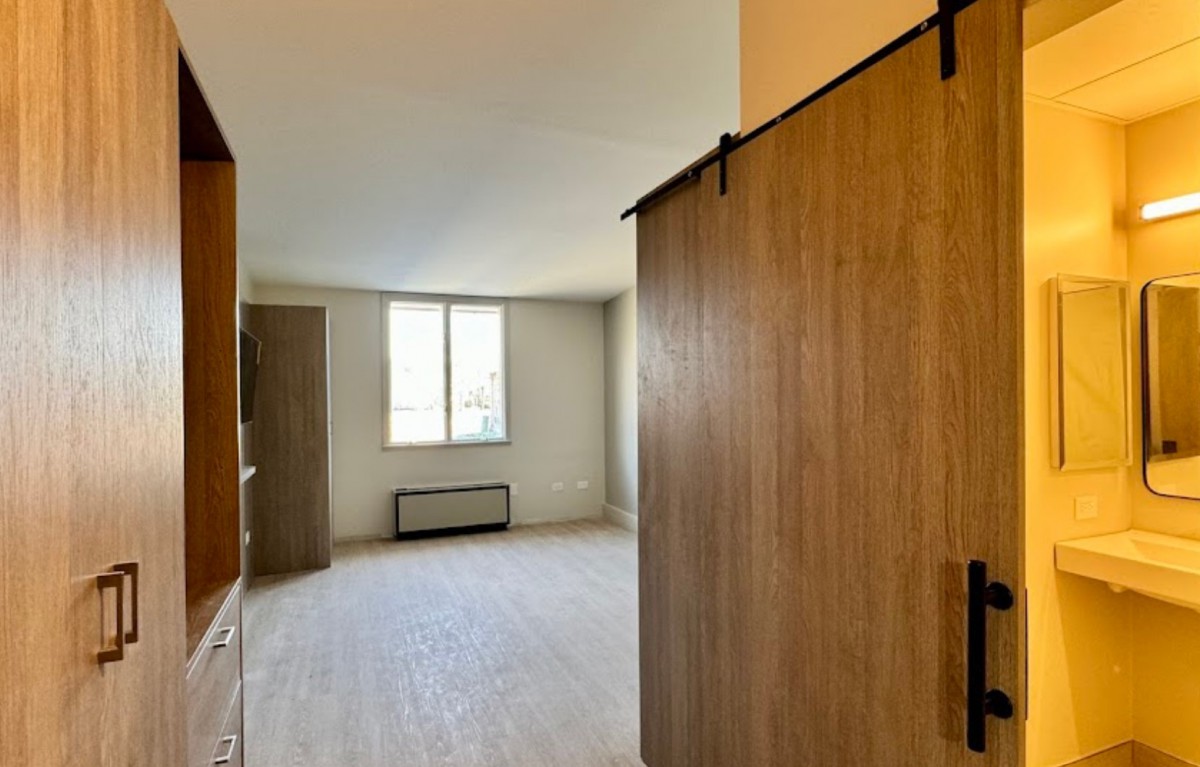
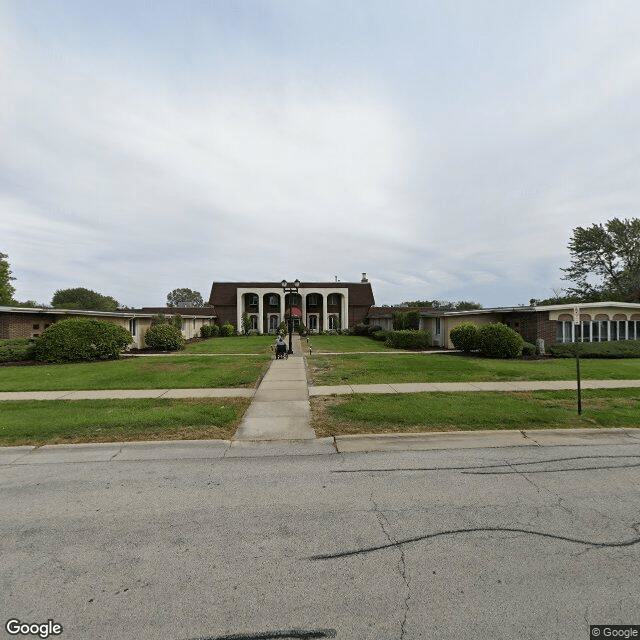
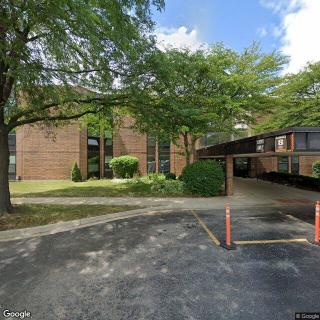
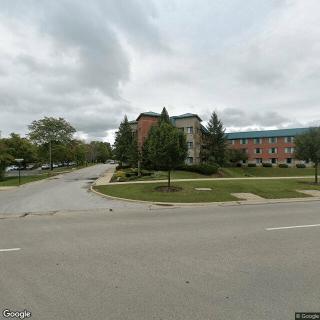
16301 Brementowne Rd, Tinley Park, IL 60477
To contact a resident: (708) 532-7535
For more information about senior living options: (866) 208-4318
Best Care Health Costs & Pricing
At Best Care Health, the monthly costs for accommodations present a competitive alternative compared to both Will County and the broader Illinois market. For instance, a studio room at Best Care Health is priced at $2,480, significantly lower than the Will County average of $4,185 and the state average of $4,028. Additionally, the one-bedroom option stands at $3,180, which also undercuts Will County's rate of $3,636 and Illinois's average of $3,527. These pricing strategies not only reflect Best Care Health's commitment to providing accessible care but also illustrate its position as an appealing choice for individuals seeking quality health services without the excessive financial burden typically associated with similar facilities in the region.
| Floor plans | Best Care Health | Will County | Illinois |
|---|---|---|---|
| Studio | $2,480 | $4,185 | $4,028 |
| 1 Bedroom | $3,180 | $3,636 | $3,527 |
Senior living communities with a similar price nearby
-
from -$185 / mo
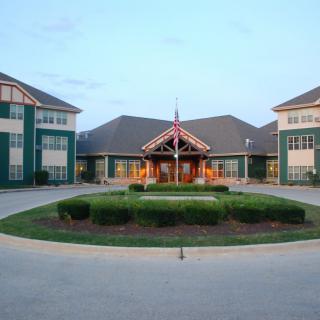
The Timbers of Shorewood
$2,295 to $3,170 / month22.3 miles away -
from -$380 / mo

Avenida Naperville
$2,100 to $2,890 / month23.4 miles away -
from -$350 / mo
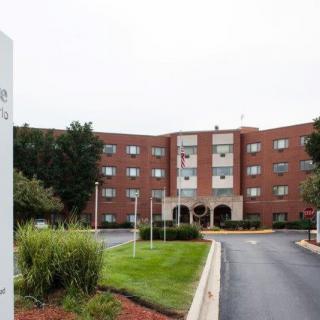
Ascension Living Casa Scalabrini Village
$2,130 to $2,730 / month23.0 miles away -
from -$280 / mo

Lakeside Village at Oak Brook
$2,200 to $2,335 / month22.1 miles away -
from -$80 / mo
Presence Bethlehem Woods Retirement Community La Grange
$2,400 to $4,152 / month16.5 miles away
Overall Review of Best Care Health
Pros
 One of the agency's caregivers was good.
- The last caregiver was excellent.
Cons
 They didn’t have a clue about how to handle Alzheimer’s patients.
- Two of them left the reviewer alone with her husband who has Alzheimer’s.
- They couldn’t handle her husband.
- There wasn’t a great deal of understanding.
- The owner’s remarks disappointed her.
- They wouldn’t stay or use their services, at least for an easier patient.
Review
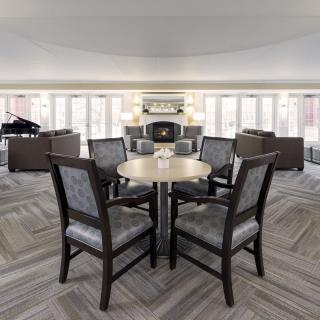
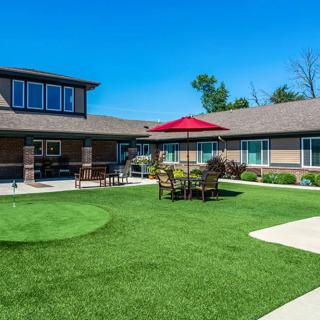
Best Care Health in Tinley Park is best suited for families seeking a small, residential-style setting where care feels personal and home-like. The community appears to favor a close-knit, caregiver-driven approach over a large, clinical campus. This setting tends to appeal to families who want more hands-on attention, predictable daily routines, and the sense that staff truly knows the residents. For a loved one who benefits from one-on-one interaction and a calmer, home-centered atmosphere, Best Care Health can offer a comforting fit. Those considering this option should be comfortable with a smaller staff footprint and the inherent variability that can come with home-like operations.
However, families facing more complex memory care needs may want to consider alternatives. A consistently dementia-trained team, with reliable coverage and clear escalation paths, becomes critical as Alzheimer's progresses. If a loved one requires highly structured memory care, 24/7 supervision, or seamless continuity as caregivers rotate, this setting may fall short. The presence of a smaller staff turns into a liability when specialized behavior management and constant supervision are needed. For seniors who require robust clinical support, or who have stubborn behavioral challenges, it makes sense to explore options with established dementia units, larger staffing, and more formal care coordination.
On the plus side, the best-case experiences cited in the community point to genuine warmth and moments of standout care. One caregiver was described as excellent, and at least one high rating suggests that when the right person is present, care can be highly attentive and responsive. The intimate environment can enable staff to tailor activities, engagement, and daily rhythm to an individual’s preferences in a way that larger campuses sometimes struggle to achieve. Families often value that level of personalized attention, feeling seen and heard by caregivers who know the resident’s history and likes.
Yet strong cautions temper those strengths. The most concerning theme is inconsistency in caregiver capability, particularly with Alzheimer's patients. Reports of caregivers who lacked the training or patience to manage dementia scenarios create real safety and trust issues. Instances where caregivers left family members to manage alone with a spouse who has dementia underscore gaps in supervision and crisis response. Communications from ownership that disappointed a reviewer also raise flags about how concerns are handled and how care decisions are explained. Taken together, these factors suggest that benefits hinge on hiring, training, and stable staffing, elements that appear variable in the available feedback.
From a decision-making perspective, the pivotal questions center on staffing reliability and dementia competency. Prospective families should ask for: the caregiver-to-resident ratio during day and night shifts; the exact dementia care training and ongoing education provided; whether there is a dedicated memory-care specialist or unit; how care plans are created, updated, and communicated to families; and how the community handles caregiver turnover and replacements. It is wise to arrange a trial visit to observe caregiver interactions, meet the administrator and the frontline staff, and request references from families with similar needs. Verifying safety protocols, emergency responses, and daily supervision can turn a good first impression into a trustworthy long-term plan.
Overall, Best Care Health presents a viable option for families prioritizing a home-like setting with personalized attention, provided the care needs align with the facility’s staffing reality and governance. For seniors with moderate dementia where a consistent, trained team is guaranteed, the positives can offset the drawbacks. For those whose loved one requires rigorous memory care and steady supervision, alternatives with stronger dementia programming and documented care-coordination may offer greater peace of mind. The prudent path combines a thorough tour, candid conversations with the owner and caregivers, and a clear, written care plan with benchmarks and check-ins. With careful screening and real-world trial, families can determine whether this intimate setting will safeguard safety, dignity, and daily engagement, or whether another option better fits the risk profile.
 Chicago Midway (13 miles away)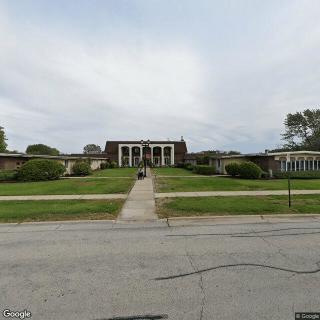


 Understanding the Full Cost of 24/7 In-Home Care: A Detailed Overview
 Exploring the World of Home Health Nurses: Qualifications, Roles, and Hiring Tips
 Navigating Medicare Coverage for In-Home Care Services