
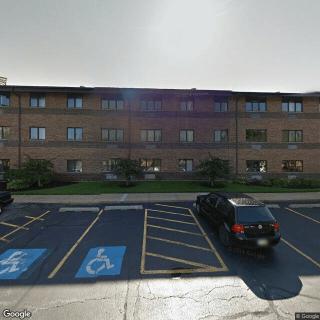
3600 E State St # 222, Rockford, IL 61108
To contact a resident: (815) 397-0410
For more information about senior living options: (866) 208-4318
Overall Review of Community Care Systems Inc
Pros
 They love working for this company.
- They find the company very flexible and understanding.
- The company is very professional.
- The caregiver is wonderful.
- The reviewer has been lucky with the caregivers.
Cons
 The agency promises weekly caregiver availability, but no one ever shows up and they never call to inform the client.
- The agency cannot provide a caregiver despite assurances.
- The agency fails to return phone calls for over a month; calls go to voicemail and staff do not answer or return calls.
- The company is unprofessional; clients and caregivers are treated badly; substitutions are not provided when caregivers are ill; staff talk to clients as if they are imbeciles; the company should be closed.
- A worker stole keepsakes from a client's home; the agency did not reimburse stolen items and cannot be trusted.
- The Rockford office has a very rude area administrator; the office is unorganized and unprofessional.
Review
Community Care Systems Inc in Rockford is best suited for families that can tolerate uneven reliability and must actively supervise care. The model leans on flexibility rather than guaranteed coverage, so households with a capable internal advocate, someone who can confirm shifts, arrange substitutes, and monitor caregiver performance week to week, will get the most practical value. It is not a hands-off option. Families that are cost-conscious and flexible about scheduling may appreciate lower rates or the ability to adjust needs on short notice. The agency’s emphasis on professionalism in certain interactions can be a real asset when communications line up, but the core service delivery hinges on proactive family involvement and clear expectations about substitutions and response times.
Who may want to consider alternatives: If reliable scheduling, timely return calls, and steady caregiver coverage are essential, this agency is unlikely to satisfy. Several accounts describe long gaps in communication and weeks without returned calls, which undermines safety and peace of mind. If a family cannot tolerate the risk of a caregiver being unavailable during illness, vacation, or other transitions, alternatives with stronger staffing continuity should be pursued. In addition, theft incidents and unreimbursed losses elevate the stakes; providers with transparent audit trails, clear bonding, and accountable leadership should be preferred when safeguarding possessions and trust.
How the key pros offset or fail to offset the main cons: The primary advantage, flexibility, allows adjustments when needs shift, and a professional surface in some client-facing moments can ease interactions. Yet flexibility without dependable coverage is a hollow benefit; when promised caregivers do not arrive and calls remain unanswered, the advantage evaporates quickly. In practice, families may experience moments of good care from individual aides, but the inconsistency creates a risk that outweighs occasional positive experiences. Overall, the pros do not meaningfully counterbalance the persistent communication failures and scheduling gaps that define the daily reality for many clients.
Additional red flags emerge when looking deeper at safety and operations: reports of stolen keepsakes point to trust concerns that cannot be dismissed. The lack of timely reimbursement or clear accountability after losses compounds fears around accepting in-home care. The Rockford office’s described unorganized and rude administration undercuts any potential for stable, collaborative care. When staffing leadership appears unprofessional and unsupportive, family members are left managing issues that should be handled by the agency. In short, the administrative environment often amplifies the lived experience of inconsistent caregiving.
Practical steps for families who still pursue this option: seek contractual guarantees around substitution, coverage hours, and escalation procedures, and request a named supervisor as a point of contact. Ask for documentation that confirms bonding and insurance with clear terms for reimbursing losses. Set explicit expectations for response times and required follow-ups, and insist on a backup plan for caregiver absences. Map out a 60-day trial with measurable milestones for communication and punctuality, and require a written plan detailing how staffing gaps will be addressed. These safeguards help separate promises from actual practice and protect families from costly surprises.
Bottom line: this community can serve as a flexible stopgap for families who can tolerate ongoing supervision, typically when schedules are highly variable and costs matter more than consistency. For most families seeking dependable routines, responsive administration, and a trustworthy, well-supported caregiver network, stronger alternatives are advisable. The decisive choice should rest on whether the potential savings in scheduling flexibility justify the ongoing vigilance, disruption, and risk that accompany inconsistent care management.
 Greater Rockford (6 miles away)





 Understanding Hospice Care at Home: Comprehensive Services, Key Benefits, and Eligibility
 Understanding the Full Cost of 24/7 In-Home Care: A Detailed Overview
 Exploring the World of Home Health Nurses: Qualifications, Roles, and Hiring Tips