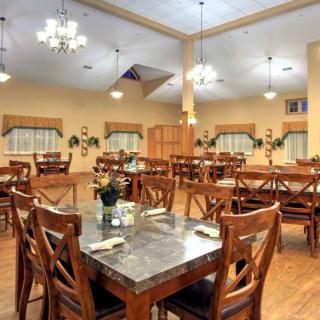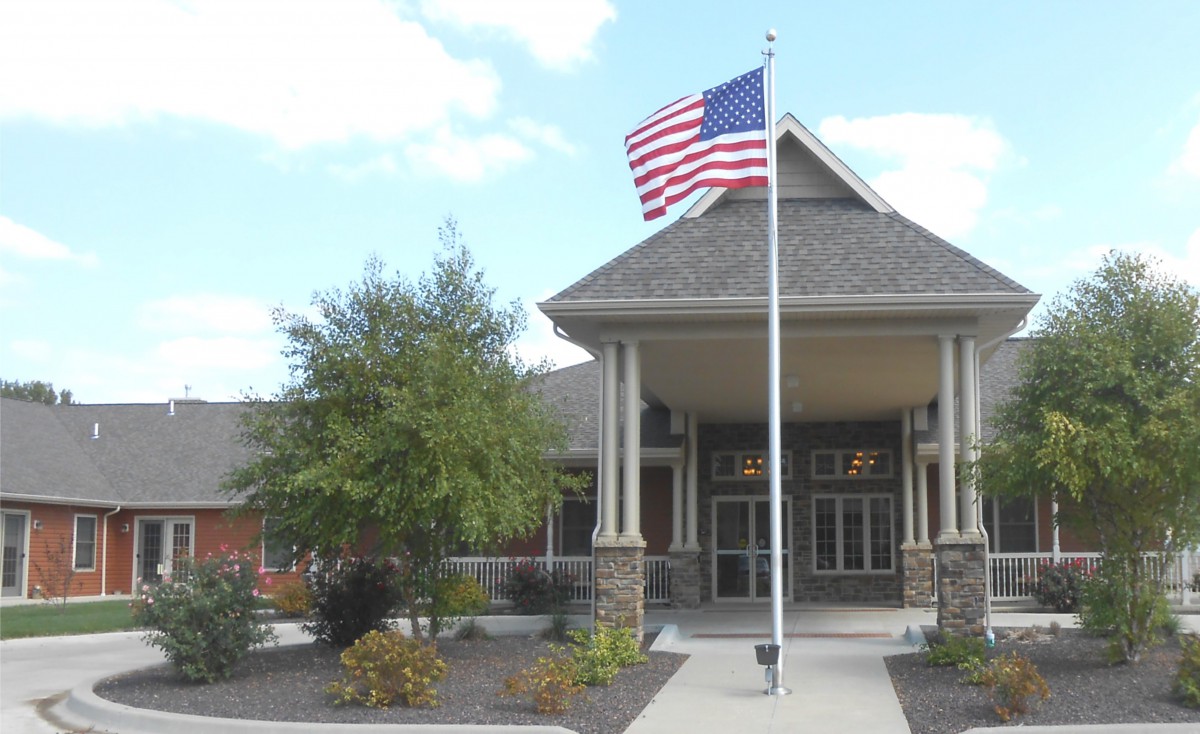




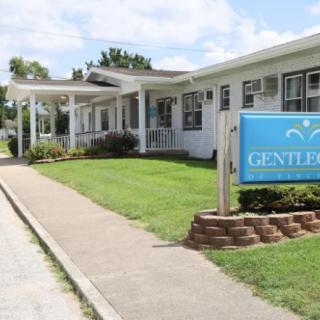
1302 W. Highland Ave., Robinson, IL 62454
To contact a resident: (618) 544-8877
For more information about senior living options: (866) 208-4318
Timber Creek Village Assisted Living of Robinson Costs & Pricing
Timber Creek Village Assisted Living of Robinson offers competitive pricing for its residents compared to the broader market in Crawford County and the state of Illinois. For a studio apartment, residents can expect to pay $3,186 monthly, which is notably lower than both the county average of $3,646 and the state average of $4,028. Similarly, one-bedroom units at Timber Creek are priced at $3,431, which aligns favorably beneath the county's higher rate of $4,754 while remaining competitive with the state's figure of $3,527. The two-bedroom option reflects a unique situation where Timber Creek's price matches Crawford County's rate at $4,393 but slightly surpasses the state's average of $4,208. In terms of semi-private accommodations, Timber Creek stands at $4,803 - again below the county's cost of $5,152 and closely comparable to the state's prices at $5,146. Overall, Timber Creek Village provides an appealing balance of quality care and affordability within its local context.
| Floor plans | Timber Creek Village Assisted Living of Robinson | Crawford County | Illinois |
|---|---|---|---|
| Studio | $3,186 | $3,646 | $4,028 |
| 1 Bedroom | $3,431 | $4,754 | $3,527 |
| 2 Bedrooms | $4,393 | $4,393 | $4,208 |
| Semi-Private | $4,803 | $5,152 | $5,146 |
Assisted Living communities with a similar price nearby
-
About the same

Villas of Holly Brook Newton
$3,200 to $4,500 / month22.1 miles away -
About the same

Brookstone Estates Of Olney
$3,220 to $3,999 / month24.0 miles away
Overall Review of Timber Creek Village Assisted Living of Robinson
Pros
 The caregivers were great with her.
- She loved this place and the residents.
- There are plenty of activities and entertainment.
- The residents are great and they are well cared for.
- The facility is very clean and the staff are very friendly.
- Meals and activities were provided with no complaints.
Cons
 The company itself offers no benefits whatsoever and the pay is low.
- Keeping help there is near impossible because it's not enough to live on.
- They do not keep families informed about what's going on and do not volunteer the information.
- They are not interactive with families.
Review
Timber Creek Village Assisted Living of Robinson is best suited for seniors who value a warm, socially vibrant setting and want reliable, hands-on care from staff who are repeatedly described as engaged and compassionate. The resident community itself is a standout, neighbors mingle, participate in a steady stream of activities, and form meaningful relationships that make daily life feel purposeful. The caregiving team is consistently praised for attentiveness and willingness to address daily needs, with multiple accounts of staff supporting residents through doctor visits and routine care. For families seeking a practical, resident-centered environment where visits are welcomed and daily programs are plentiful, this community delivers a compelling, workable option.
However, certain realities merit deliberate consideration before choosing this pathway. Some reviewers flag concerns about the way information is communicated to families, noting that staff tend to “take care of things” and only share details when asked rather than providing proactive updates. There is also a blunt concern about staffing stability tied to compensation: the company’s lack of benefits and relatively low pay are cited as factors that can challenge retention over time. Those who prioritize a consistently proactive family-facing communication culture or worry about long-term staff stability may want to explore alternatives that emphasize regular, outbound updates and stronger benefit structures for frontline caregivers.
The strongest pro, staff quality and the resident experience, largely offsets the notable cons. When care is the centerpiece, Timber Creek earns credibility: residents appear well cared for, and caregivers are described as the best the reviewer has worked with, with a genuine commitment to helping residents stay engaged and comfortable. Cleanliness and a vibrant routine of meals and activities add practical value, creating a livable rhythm that supports both physical well-being and social connection. The facility’s willingness to coordinate medical needs, taking residents to appointments and ensuring routine health steps are managed, provides tangible reassurance for families who cannot be onsite every day.
On a day-to-day basis, care delivery is described as involved and responsive, with staff actively addressing needs and coordinating services. The most consistent caveat centers on communication: families report that information is not always volunteered, but when inquiries are made, staff are open and forthcoming. This pattern suggests a culture where the care team prioritizes resident welfare over formalized, real-time family updates. For families that want frequent, automatic status reports, this dynamic may feel less than ideal; for those who value hands-on care and don’t require constant nudges, the experience can still be very reassuring.
The business realities behind the favorable care picture should be weighed alongside this. The absence of benefits and modest compensation are not about the immediate safety of residents, but about the potential for longer-term turnover and staffing flux. That reality can have downstream effects on consistency of care, the availability of favorites caregivers, and the cadence of routine updates. Prospective families should press for clarity on staffing ratios, average tenure of aides, and how often shifts turn over, as well as explicit protocols for timely family communication. Asking about how often they review resident plans, who leads medical coordination, and how emergencies are communicated can illuminate potential gaps before commitment.
In the end, Timber Creek Village presents a compelling fit for families seeking a lively, person-centered community with strong caregiver relationships, reliable daily routines, and solid logistical support for medical needs. It is particularly well-suited for adults who thrive on community life and appreciate caregivers who will navigate doctor appointments and daily tasks with warmth. Those who require a steady stream of proactive family updates, or who place a premium on generous staff benefits and long-term retention assurances, may prefer to compare alternatives. The prudent approach is a thorough on-site visit accompanied by explicit questions about communication practices, staffing stability, and how care plans are shared and updated. This will reveal whether the balance of strong day-to-day care and potential communication gaps aligns with the family’s expectations and the resident’s needs.
 Assisted Living
 Cats allowed
 Dogs allowed
 Activities off-site
 Beautician on-site
 Devotional services off-site
 Indoor common areas
 Wheelchair accessible showers
 Ambulatory care
 Diabetic care
 Incontinence care
 Medication management
 Meals provided





 Understanding the True Cost of Assisted Living in 2025: A Comprehensive Guide
 Understanding Medicaid Coverage for Assisted Living: A Comprehensive Guide
 How and When Medicaid May Cover Assisted Living Costs