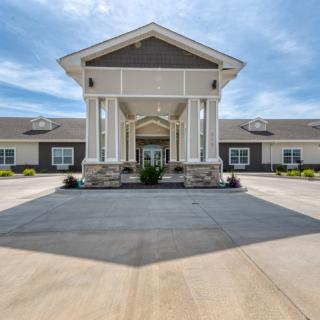
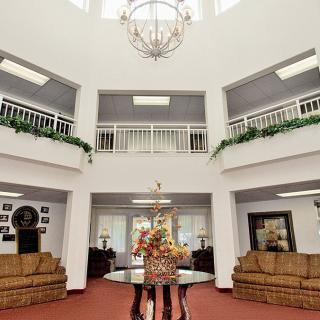
The Arbors At Adams Pointe

201 North 48th Street, Quincy, IL 62305

For more information about senior living options: (844) 490-3973

3.6 from 10 reviews
5 stars
5
4 stars
2
3 stars
0
2 stars
0
1 stars
3

Assisted Living Board and Care Home Memory Care

Overall Review of The Arbors At Adams Pointe

Pros

  • pro The staff at the facility are warm and supportive.
  • pro The facility offers groups and activities.
  • pro The facility brings in someone to lead church services.
  • pro Musicians perform for the residents.
  • pro The facility did a wonderful job during the pandemic.

Cons

  • pro Pricing is way too high.
  • pro Since the 2022 administrator change, concern for patients has decreased tremendously.
  • pro There is an increased emphasis on appearance over actual patient care.
  • pro Communication with families has ceased.

Review

A grandchild writes with warmth about the care setting they're describing, starting from a place of deep gratitude for the people who make the day-to-day life there meaningful. They praise a warm, supportive staff that seems genuinely invested in the residents. The facility, in their view, has built a community feel through regular groups and activities that keep people engaged and connected. They also note the efforts to honor residents' faith and spirituality by bringing in someone for church services and inviting people who play music for the folks there, creating moments of comfort and familiarity in a sometimes challenging environment.

The reviewer remembers the darkest days of the pandemic and credits the staff with doing a wonderful job despite widespread strain. They acknowledge that the times were rough for everyone involved, yet the caregivers and staff managed to maintain a level of care and attention that stood out. In this part of the story, the dedication of the team shines through - the sense that the residents were not forgotten even when resources and circumstances were difficult. The appreciation here is strong, rooted in how the staff held steady and continued to offer support when uncertainty loomed large.

But the tone shifts when the review turns to changes that followed in 2022. A new administrator came onboard, and with that leadership transition, the reviewer perceives a notable shift in priorities. They describe a discernible decrease in concern for the patients' well-being, a troubling change after years of dependable care. The emphasis that once seemed to center on the people living there appears to have been diminished in favor of other concerns, and the sense of ongoing, attentive care begins to feel less assured.

Along with this shift in focus, the reviewer points to a growing preoccupation with appearances. They suggest that what things "look like" started to matter more than what they were, or how well the residents were being looked after. This change in emphasis paints a picture of a facility where aesthetics or exterior impressions may have taken on greater importance, even as the day-to-day care for residents did not receive the same level of attention as before. The implication is that the overall climate shifted from patient-centered care to a concern with presentation.

Compounding these concerns is a breakdown in communication with families. The reviewer notes that contact and updates ceased, leaving loved ones in the dark about the day-to-day realities of their relatives' lives and health. This lack of steady, reliable communication adds to a sense of disconnection, making it harder for families to trust that their loved ones are being cared for as they would hope. The frustration expressed here underscores how essential transparent, ongoing dialogue is to any care setting, especially when loved ones are not able to be physically present.

The review closes with a candid confession of space limitations. The writer says there isn't enough room to tell the whole story, hinting that there is more beneath the surface that hasn't been captured in a single note. The sentiment suggests there are deeper, perhaps nuanced experiences and memories tied to the facility - positives that coexist with the concerns raised. It leaves the reader with a sense that the facility has both strengths and serious areas in need of attention, depending on who is asking and what aspects of care - or leadership - one values most.

A final, bracing takeaway comes from the opening line - the challenge of pricing. The reviewer makes a clear, blunt statement that the cost is "priced way too high." This financial concern sits alongside the praise for staff and the criticism of leadership changes as a potential obstacle to consistent, high-quality care. Taken together, the message reflects a complex picture: a place where kindness and community exist and are deeply appreciated, yet where changes in management, communication, and cost call into question the balance between value and care.

Features

Housing

  • 16 resident community capacity 16 resident community capacity

Types of Care

  • Assisted Living Assisted LivingAssisted living facilities provide crucial support and care for seniors who may need help with daily tasks such as medication management, bathing, and meal preparation. These communities offer a safe and comfortable environment where seniors can maintain their independence while receiving the assistance they need to thrive in their golden years.
  • Board and Care Home Board and Care HomeBoard and care homes provide a smaller, more intimate setting for seniors who require assistance with daily tasks but do not need the level of care offered by a nursing home. They offer personalized care, meals, and social activities in a homelike environment, ensuring that seniors receive individualized attention and support in their golden years.
  • Memory Care Memory CareMemory care is crucial for seniors as it provides specialized support and services for individuals with dementia or Alzheimer's disease. These programs offer a safe and secure environment where residents receive personalized care, cognitive stimulation, and help with daily activities. Memory care helps seniors maintain their independence, quality of life, and dignity while also providing peace of mind for their families.

Amenities

  • Cable or satellite TV Cable or satellite TVCable or satellite TV is important for seniors because it provides entertainment, news, and companionship, helping to combat loneliness and boredom. It also offers a wide range of programming options tailored to different interests and preferences.
  • Dining room Dining roomDining rooms are important for seniors as they provide a space for socialization, connection, and nutritious meals. They offer opportunities for residents to bond over shared meals, foster a sense of community, and promote healthy eating habits. Dining rooms also ensure that seniors have access to well-balanced meals tailored to their dietary needs and preferences.
  • Fully furnished Fully furnishedFully furnished senior living communities are important for seniors because they provide convenience, comfort, and a hassle-free moving experience. Seniors can easily settle into their new living space without the stress of having to buy and move furniture. This allows them to focus on enjoying their new home and community.
  • Garden GardenGardens are important for seniors as they provide a peaceful and therapeutic environment for relaxation, physical activity, and socialization. Being in nature has been shown to reduce stress, improve mood, and promote overall well-being. Gardens also offer opportunities for seniors to engage in gardening activities, which can improve mobility, flexibility, and cognitive function. Additionally, gardens create a sense of community and connection with others who share a passion for plants and outdoor spaces.
  • Housekeeping services Housekeeping servicesHousekeeping services are important for seniors because they help maintain a clean and safe living environment, promote independence, and reduce the risk of accidents or illnesses. Additionally, having assistance with household chores can alleviate physical strain and allow seniors to focus on other aspects of their well-being.
  • Move-in coordination Move-in coordinationMove-in coordination is important for seniors because it helps ease the transition into their new living environment. It ensures that all logistics, such as packing, organizing movers, and setting up utilities are taken care of, allowing seniors to focus on settling in and adjusting to their new home. Having a smooth move-in process can alleviate stress and anxiety, making the transition smoother and more enjoyable for seniors.
  • Outdoor space Outdoor spaceOutdoor spaces are important for seniors as they provide opportunities for physical activity, social interaction, exposure to natural light and fresh air, and a sense of connection to nature. Having access to outdoor spaces can improve overall well-being and quality of life for older adults living in senior communities.
  • Telephone TelephoneTelephones are important for seniors as they provide a lifeline for communication with loved ones, emergency services, and healthcare providers. They offer a sense of security and independence, enabling seniors to stay connected and access assistance when needed.
  • Wi-Fi/high-speed internet available Wi-Fi/high-speed internet availableWi-Fi/high-speed internet is important for seniors to stay connected with loved ones, access online resources, and participate in virtual activities to combat feelings of loneliness and isolation. It also allows them to easily manage healthcare needs, access entertainment, and engage in lifelong learning opportunities.

Care Services

  • 24-hour supervision 24-hour supervision24-hour supervision is important for seniors to ensure their safety, well-being, and access to immediate assistance in case of emergencies or health issues. This constant support provides peace of mind for both seniors and their loved ones, allowing them to age in place with dignity and security.
  • Activities of daily living assistance Activities of daily living assistanceActivities of daily living assistance are important for seniors because they provide essential support with tasks such as eating, bathing, dressing, and mobility. This assistance helps seniors maintain their independence, dignity, and overall quality of life as they age.
  • Assistance with bathing Assistance with bathingAssistance with bathing is crucial for seniors as it helps maintain personal hygiene, prevents infections, and ensures their overall well-being and comfort. It also provides a sense of dignity and independence for seniors who may struggle with this task on their own.
  • Assistance with dressing Assistance with dressingAssistance with dressing is important for seniors because it helps maintain their independence, promotes personal hygiene, prevents accidents and injuries, and improves overall quality of life. This service ensures that seniors can continue to dress comfortably and confidently, despite any physical limitations they may have.
  • Assistance with transfers Assistance with transfersAssistance with transfers is crucial for seniors as it helps prevent falls and injuries, maintains their independence, and ensures they can safely navigate their living environment. It also provides peace of mind for both seniors and their loved ones.
  • Coordination with health care providers Coordination with health care providersCoordination with health care providers is crucial for seniors to ensure proper medical care, medication management, and overall well-being. This collaboration helps prevent overlapping treatments, track progress more effectively, and provide comprehensive support tailored to individual needs.
  • Dementia waiver Dementia waiverDementia waivers are essential for seniors as they provide critical protections and accommodations for those experiencing cognitive decline. These waivers ensure individuals with dementia receive appropriate care, support, and resources to maintain their quality of life and dignity as they navigate the challenges of this progressive condition.
  • Diabetes diet Diabetes dietA diabetes diet is crucial for seniors as it helps manage blood sugar levels, reduce risks of complications, and improve overall health and well-being. By following a balanced and nutritious diet tailored to their specific needs, seniors can better control their diabetes and enhance their quality of life.
  • Hospice waiver Hospice waiverHospice waivers are important for seniors because they allow individuals to receive specialized end-of-life care and support at home or in a hospice facility. This waiver ensures that seniors can access the necessary resources and services to maintain comfort and dignity during their final days.
  • Meal preparation and service Meal preparation and serviceMeal preparation and service are crucial for seniors as they may have limited mobility or energy to cook nutritious meals. Having access to healthy and convenient food options can ensure they are getting the proper nutrition needed to maintain their overall health and well-being.
  • Medication management Medication managementMedication management is crucial for seniors to ensure they are taking the right medications at the correct dosages and times. This helps prevent adverse drug interactions, reduces the risk of medication errors, and promotes overall health and well-being. Proactive management also allows for adjustments as needed based on changing health conditions or new prescriptions.
  • Mental wellness program Mental wellness programMental wellness programs are essential for seniors as they promote cognitive stimulation, emotional support, and social engagement. These programs help prevent isolation, depression, and cognitive decline, ultimately enhancing the overall quality of life for older adults.
  • Mild cognitive impairment Mild cognitive impairment"Mild cognitive impairment" is important for seniors because it is an early stage of cognitive decline that can potentially progress to more severe conditions such as dementia. Recognizing and addressing mild cognitive impairment can help seniors receive appropriate care and support to maintain their quality of life and independence for as long as possible.
  • Special dietary restrictions Special dietary restrictionsSpecial dietary restrictions are important for seniors because age-related changes in metabolism and health conditions can make it difficult for their bodies to process certain foods. By following a diet tailored to their specific needs, seniors can maintain their overall health and well-being, manage chronic conditions, and reduce the risk of complications such as malnutrition or food interactions with medications.
  • Specialized memory care programming Specialized memory care programmingSpecialized memory care programming is crucial for seniors with cognitive impairments such as dementia or Alzheimer's disease. These programs provide a safe and supportive environment tailored to the unique needs of individuals with memory loss, helping them maintain their independence, dignity, and quality of life.
  • Transportation arrangement (medical) Transportation arrangement (medical)Transportation arrangements for medical purposes are essential for seniors as they may have difficulty driving themselves to appointments or accessing public transportation. Having reliable and safe transportation options ensures that seniors can receive timely medical care and maintain their health and well-being.
  • Transportation to doctors appointments Transportation to doctors appointmentsTransportation to doctors' appointments is crucial for seniors as it ensures they have access to necessary medical care and support for their health needs. Without reliable transportation, seniors may struggle to attend important appointments, leading to potential delays in treatment and health complications. Providing transportation services helps seniors maintain their overall well-being and quality of life.

Dining

  • Diabetes diet Diabetes dietA diabetes diet is crucial for seniors as it helps manage blood sugar levels, reduce risks of complications, and improve overall health and well-being. By following a balanced and nutritious diet tailored to their specific needs, seniors can better control their diabetes and enhance their quality of life.
  • Special dietary restrictions Special dietary restrictionsSpecial dietary restrictions are important for seniors because age-related changes in metabolism and health conditions can make it difficult for their bodies to process certain foods. By following a diet tailored to their specific needs, seniors can maintain their overall health and well-being, manage chronic conditions, and reduce the risk of complications such as malnutrition or food interactions with medications.

Activities

  • Community-sponsored activities Community-sponsored activitiesCommunity-sponsored activities are important for seniors as they provide opportunities for social interaction, mental stimulation, and physical activity. These activities can help improve overall well-being, combat loneliness and isolation, and promote a sense of belonging and purpose among older adults.
  • Scheduled daily activities Scheduled daily activitiesScheduled daily activities are important for seniors because they provide structure, socialization, mental stimulation, and physical activity. Engaging in regular activities can improve overall well-being and quality of life for seniors living in a community setting.

Description

The Arbors At Adams Pointe is a senior living community located in Quincy, IL that offers personalized care for individuals in need of board and care home services as well as memory care. The community provides a comfortable and fully furnished environment for residents, with amenities such as a dining room, garden, outdoor space, telephone, and Wi-Fi/high-speed internet.

Care services at The Arbors At Adams Pointe include assistance with daily activities such as bathing, dressing, and transfers. The community also offers coordination with health care providers to ensure residents receive the necessary medical attention. For those with specific dietary needs, special dietary restrictions can be accommodated, including diabetes diet. Medication management is provided to ensure residents take their medications correctly.

The community places a strong emphasis on mental wellness by offering a mental wellness program and specialized memory care programming for those with mild cognitive impairment or dementia. Transportation arrangements are available for medical appointments, and transportation to doctors' appointments can be arranged.

Dining at The Arbors At Adams Pointe takes into account special dietary restrictions to provide nutritious meals for residents. Scheduled daily activities are also offered to keep residents engaged and entertained.

The community is conveniently located near various amenities such as cafes, parks, pharmacies, physicians' offices, restaurants, transportation options, places of worship, and hospitals. This allows residents easy access to essential services and opportunities for recreation outside the community.

Overall, The Arbors At Adams Pointe provides a caring and supportive environment for seniors needing assistance with daily activities or specialized memory care programming. With its range of amenities and convenient location near essential services and recreational opportunities, it offers an enriching lifestyle for its residents.

Nearby Places of Interest

Places of Worship

  • The Crossing (0.2 miles)
  • Madison Park Christian Church (0.2 miles)
  • Christ Lutheran Church (0.9 miles)
  • Gem City Baptist Church (1.6 miles)
  • Crossroad Church (2.3 miles)
  • Calvary Baptist Church (2.4 miles)
  • Saint Francis Solanus Roman Catholic Church (2.6 miles)

Restaurants

  • McDonald's (0.2 miles)
  • Fuji Japanese Steak House (0.3 miles)
  • Dunnbelly (0.4 miles)
  • Best Buffet (0.7 miles)
  • Taco Bell (0.8 miles)
  • Applebee's (0.8 miles)
  • Steak 'n Shake (0.8 miles)

Transportation

  • Enterprise Rent-A-Car (0.3 miles)
  • Amtrak-Qcy (2.3 miles)
  • Diamond Cab & Coaches (3.2 miles)

Pharmacies

  • Walmart Pharmacy (0.6 miles)
  • Quincy Nutrition (0.9 miles)
  • Shopko Pharmacy (1.3 miles)
  • CVS Pharmacy (1.4 miles)
  • Walgreens (2.5 miles)
  • Good Neighbor Pharmacy (3 miles)

Physicians

  • Quincy Oral And Maxillofacial Surgery Pc (0.6 miles)
  • Midwest Orthopedic Specialists (0.8 miles)
  • Hanger Clinic: Prosthetics & Orthotics (1 miles)
  • All About Eyes (1.4 miles)
  • International Eyecare Center (1.9 miles)
  • Quincy Plastic Surgery And Aesthetics (2.1 miles)
  • John Bejoy MD - Blessing Physicians Services (2.7 miles)

Cafes

  • Carters Coffee Bar (0.8 miles)
  • Panera Bread (0.8 miles)
  • Starbucks (0.9 miles)
  • Baileys Coffee, Fudge and Fine Gifts (1.4 miles)
  • Cafe J (1.7 miles)
  • Coach House Restaurant (2 miles)

Hospitals

  • Blessing Hospital (1.8 miles)
  • James R Nuessen DVM (2.3 miles)
  • Quincy Medical Group (2.6 miles)
  • Blessing Hospital (3.1 miles)
  • Blessing Hospital (3.1 miles)
  • Blessing Hospital (3.2 miles)
  • Total Renal Care (3.2 miles)

Parks

  • Reservoir Park (2.3 miles)
  • Quincy Park District (3 miles)
  • Bob Mays Park (3.3 miles)

Frequently Asked Questions

Where is The Arbors At Adams Pointe?
Does The Arbors At Adams Pointe provide care for residents with dementia or Alzheimer's disease?

Nearby Communities

Related Resources

  • dementia paranoiaDementia, Paranoia, and Caregiver Guidance: Understanding the Connection

    Dementia encompasses progressive neurological disorders that impair cognitive functions and can lead to paranoia due to cognitive decline and emotional changes. The article discusses the triggers of paranoia in dementia, caregiver strategies for managing it, and the importance of distinguishing between dementia-related paranoia and other psychiatric conditions.

  • memory care activitiesEngaging Memory Care Activities That Enhance Quality of Life

    Memory care activities are essential for improving the quality of life of seniors with cognitive impairments, as they stimulate cognitive function, promote well-being, and encourage social interaction through tailored strategies. These activities combine structured exercises with spontaneous tasks, sensory engagement, physical workouts, creative pursuits, and intergenerational interactions to enhance emotional connection and a sense of purpose.

  • when to move from assisted living to memory careWhen to Transition from Assisted Living to Memory Care: Key Indicators, Steps, and Finding the Right Community

    Transitioning from assisted living to memory care is driven by an individual's cognitive decline and specific needs, requiring careful evaluation of indicators like increased confusion and wandering. The process involves consulting medical professionals, researching suitable communities, considering financial and legal aspects, and ensuring effective communication for personalized care plans.