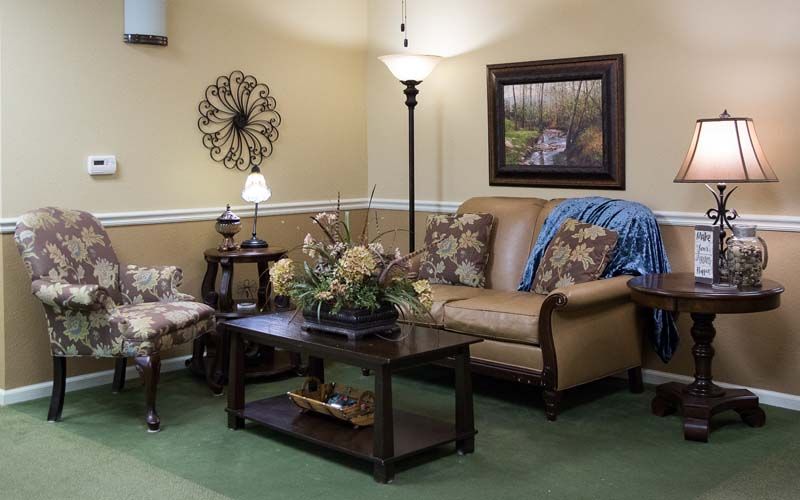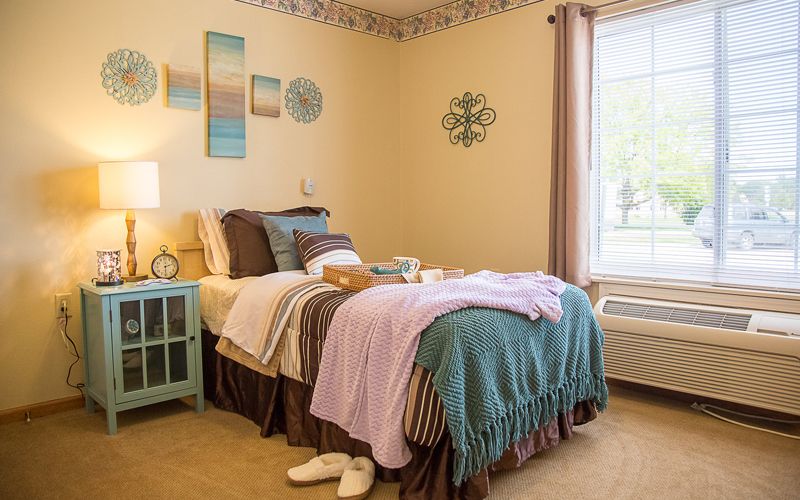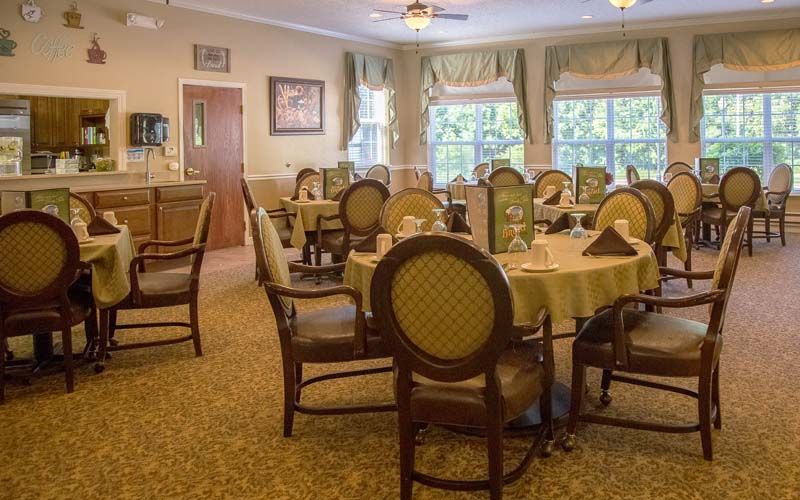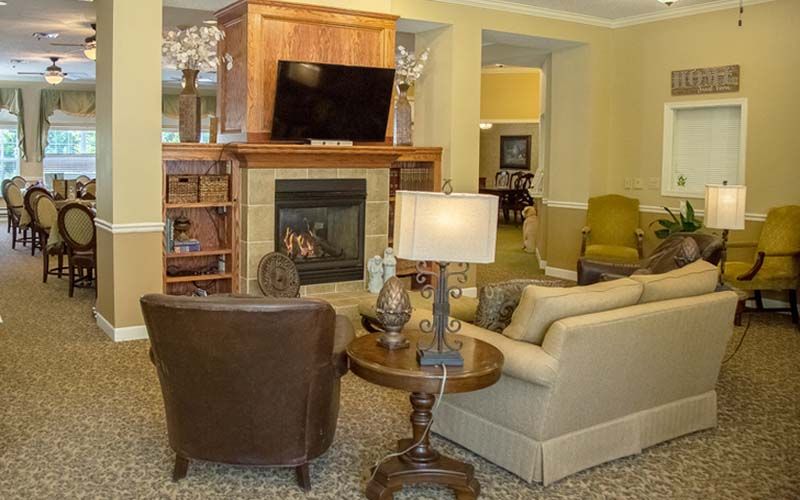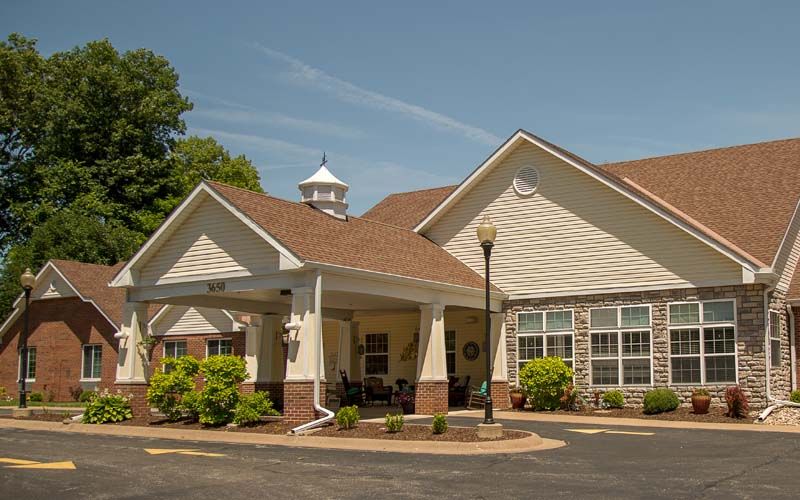




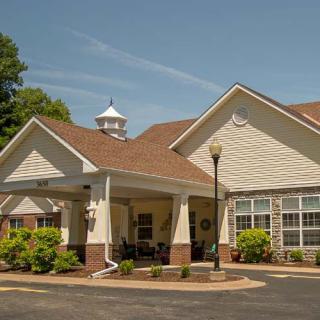


3650 41st Street, Moline, IL 61265
For more information about senior living options: (866) 208-4318
Overall Review of Bickford Moline Cottage
Pros
 The director is amazing, the building is beautiful, and the staff are wonderful.
- The staff at Bickford of Moline are very caring, wonderful, and passionate, making residents feel at home.
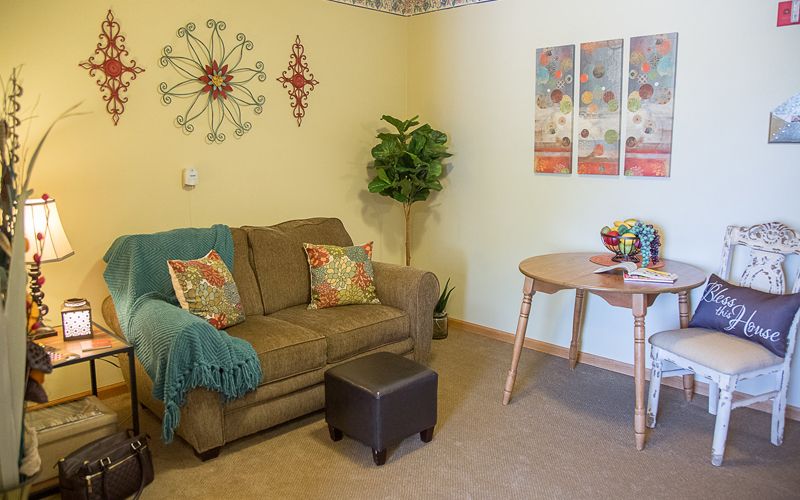
- The facility feels homey and is a smaller setting, with a caring and helpful staff.
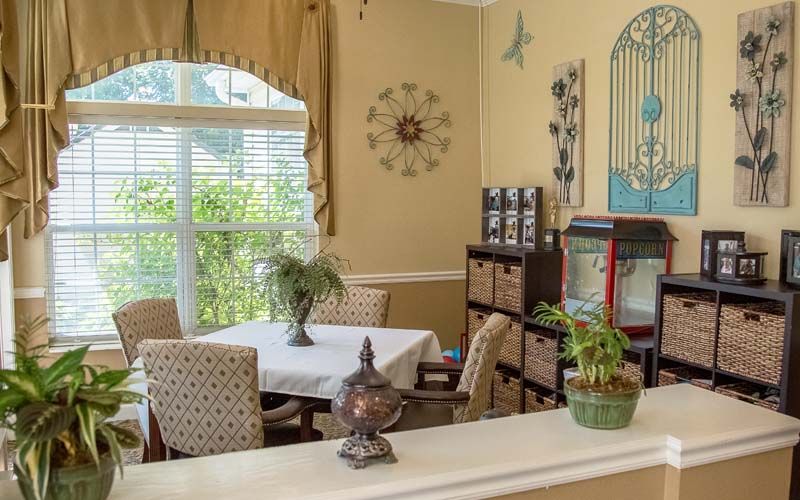
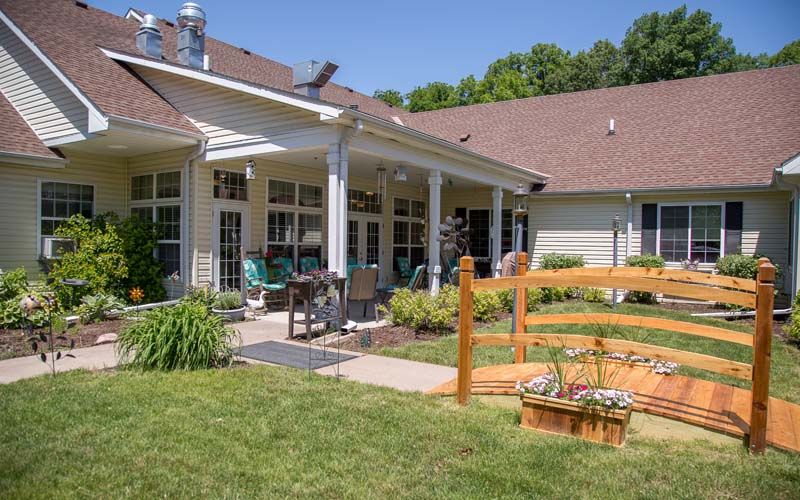
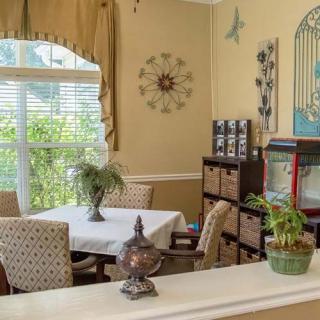
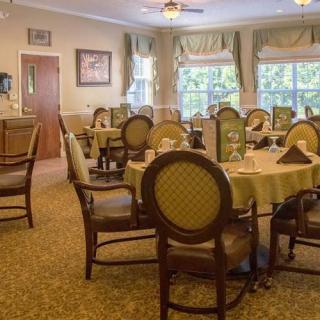
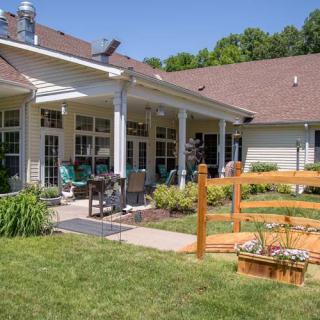
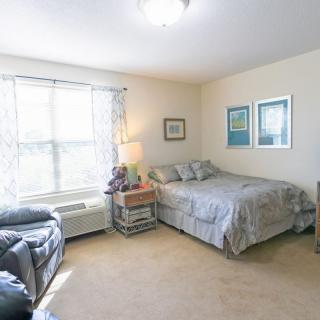
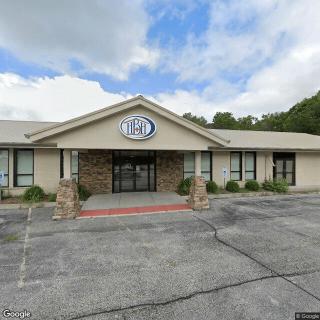
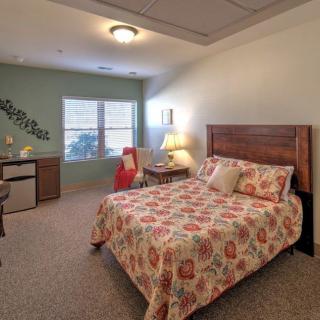
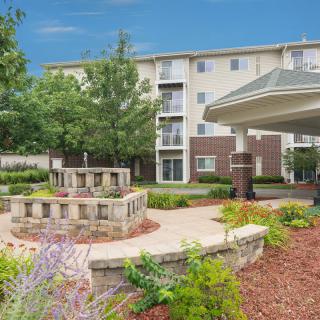
- The building is clean and well-maintained, both inside and out.
- There are plenty of staff to support residents, and outings are planned with an events calendar.
- The tour experience is positive, thanks to personable and friendly staff.
- The location is convenient and the facility is pet-friendly, which is appreciated by families.
- The staff are knowledgeable and friendly, and they answer questions for families.
Cons
 They felt they had been overcharged for a long time.
- They believed Bickford could set prices arbitrarily and customers were taken advantage of.
- They had a real problem with how Bickford did business.
- They observed that as their mother’s condition declined, staff failed to help with bathing and dressing, leaving her in the same clothes day after day.
- They found their mother in filthy clothes with poop under her fingernails and witnessed a bowel movement accident with poop tracked around the facility.
- They documented bruises on their mother with no staff reports.
- They experienced a toilet leak for months and a wet bathroom floor.
- They warned others not to bring their loved ones to Bickford, stating they should avoid and save themselves heartache.
Review
Bickford Moline Cottage is best suited for families seeking a small, home-like environment where a resident can receive light assistance and regular attention from a steady, personable staff. The setting appeals to those who prize a intimate, less institutional feel, easy access to the outdoors, and a calendar of social activities that feels approachable rather than overwhelming. It can work well for someone who is mostly independent but benefits from reminders, meals, and consistent company in a comfortable, walkable floorplan. However, it is not the right choice for a loved one with substantial medical or dementia care needs, and families should prepare for potential price volatility and uneven communication.
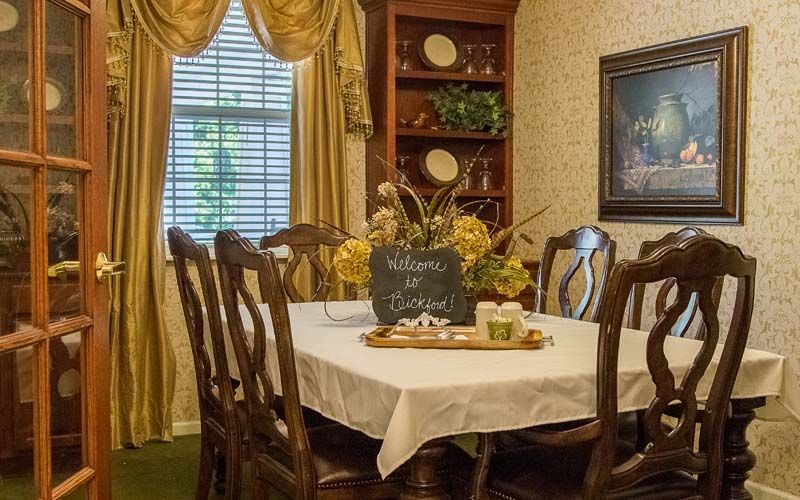
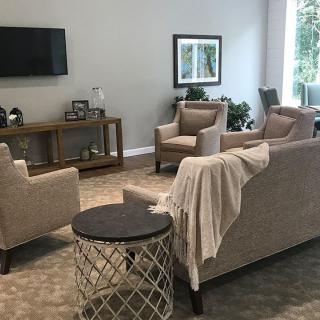
On the positive side, the strongest argument in favor is the staff’s evident warmth and the facility’s smaller size. Residents are described as receiving attentive, caring treatment in a setting that feels like home, with adequate staffing to support daily routines and social programming. The dining areas and common spaces are praised for cleanliness and a welcoming atmosphere, and the schedule of outings and activities gives residents opportunities to engage without feeling overwhelmed by a large, impersonal campus. For families who value hands-on contact and a community that feels personally connected, these advantages can translate into meaningful daily life for a loved one.
Yet the most consequential downsides are hard to overlook. Pricing has been a persistent pain point, with reports of higher initial rates that were later challenged by more affordable online comparisons, followed by price matching only after families voiced concern. This pattern of billing inconsistency creates a sense of mistrust and undermines the sense of security a resident and family should expect. In several accounts, administrative communication around rates and contract terms was described as lacking, leaving families frustrated and wary about what the actual monthly cost will be going forward. That financial ambiguity directly colors overall confidence in the community.
Care quality concerns also surface decisively in the reviews, particularly around dementia care and safety. There are troubling anecdotes of lapses in daily hygiene, delays in addressing maintenance issues, and situations where a resident’s safety and comfort were compromised. Examples range from a leaky bathroom to a senior found in distress on a bathroom floor, with reports that injuries or incontinence episodes were not consistently communicated to families. While some residents do benefit from the supportive staff, these reports suggest that the risk of neglect or delayed response remains a real consideration for families evaluating the level of care their loved one requires.
Put bluntly, the pros, homey atmosphere, responsive staff in a small setting, and social programming, do not fully compensate for the cons, pricing opacity, administrative friction, and serious caution flags about dementia and safety. For families prioritizing transparent, predictable costs and rigorous, consistently high-care standards, the balance tips toward alternatives. The facility can be a good fit for a specific kind of resident and family, but it is not universally suitable, especially where cognitive impairment is advancing or where consistent incident reporting and financial clarity are non-negotiable.
Families considering Bickford Moline Cottage should approach with a structured due-diligence plan. Request a current, written breakdown of all rates and inclusions, including what triggers rate changes. Speak directly with existing residents and families about their experiences, and insist on seeing recent incident reports and state licensing records. Probe staff-to-resident ratios during peak hours, and verify the level of dementia-specific training and supervision. If the answers raise questions or the pace of repairs and communications remains slow, pursuing alternative communities, preferably with transparent pricing and stronger dementia care protocols, will likely yield greater peace of mind for both the resident and family.
 28 resident community capacity
 1-bedroom apartments
 Assisted Living
 Beautician on-site
 Cable or satellite TV
 Dining room
 Financing advice
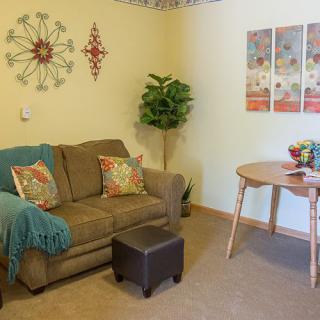
 Fully furnished
 Garden
 Guest parking
 Housekeeping services
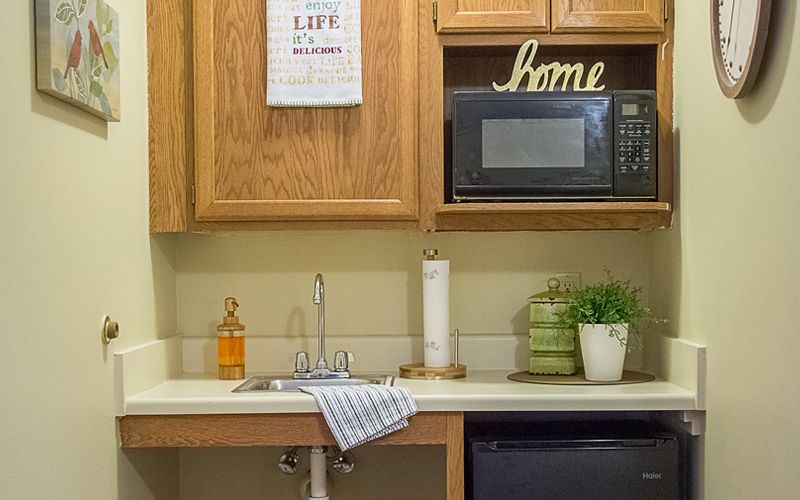
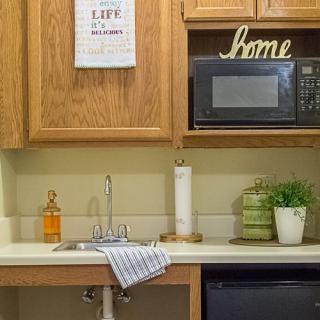
 Kitchenette
 Laundry
 Move-in coordination
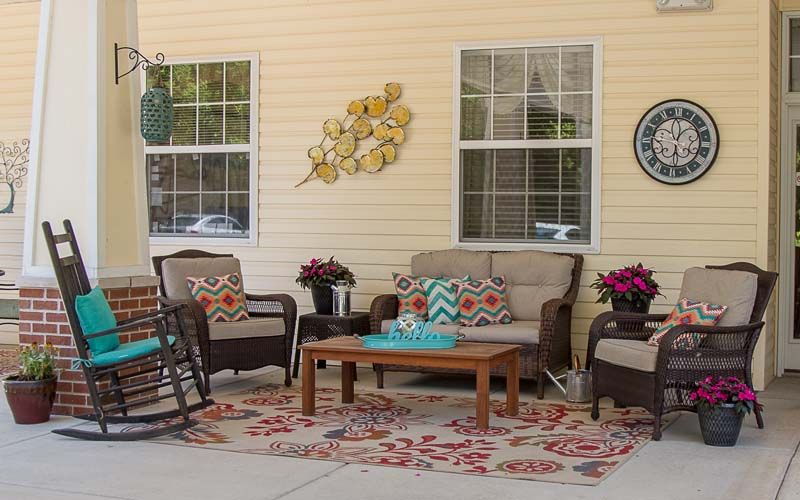
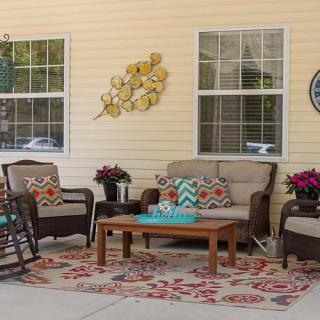
 Outdoor space
 Overnight guests
 Party space
 Restaurant-style dining
 Small library
 Spa
Spa Telephone
 Wi-Fi/high-speed internet available
 Quad City (2 miles away)
 Transportation & parking
 24-hour call system
 Activities of daily living assistance
 Assistance with bathing
 Assistance with dressing
 Assistance with transfers
 Diabetes diet
 Medication management
 Mental wellness program
 Special dietary restrictions
 Arts and crafts
 Fitness programs
 Games
Games Live musical performances
 Religious services
 Stories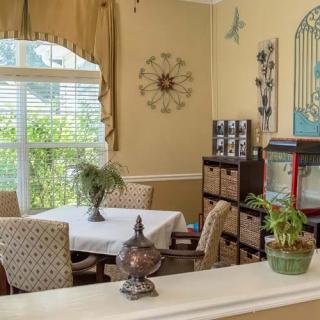


 Securing Financial Support for Assisted Living: A Comprehensive Overview
 Social Security Benefits and Assisted Living: Navigating Options Across the U.S.
 An Extensive Exploration of the VA Aid and Attendance Benefit