For more information about senior living options: (866) 208-4318
3.1 from 28 reviews
5 stars
14
4 stars
1
3 stars
0
2 stars
0
1 stars
13
Overall Review of Hawthorne Inn of Parkway
common3 reviews mention this
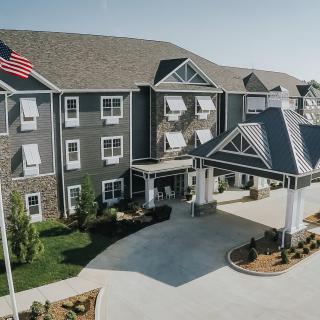
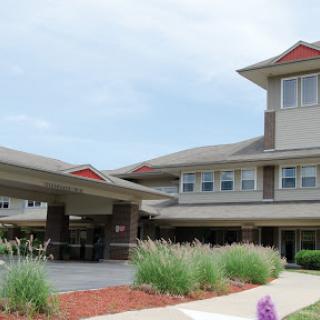
Clean, well-kept facility feel
Residents consistently describe the building as very clean.
Several residents call out cleanliness, including comments about a building that feels well kept and pleasant. A few also mention that the dining area looks nice and does not have the typical institutional smell they associate with other facilities.
common8 reviews mention this
Staff are described as caring
Many reviews praise the staff for being friendly and helpful.
Across the positive reviews, residents and families describe staff as friendly, helpful, and genuinely caring. Multiple reviews also single out care during rehab, including nurses and therapy staff, and several describe the experience as supportive after a hospital stay. A few reviews temper this with frustrations about response times and staffing levels, but even in those cases some staff interactions are described positively.
common4 reviews mention this
Meals receive mixed feedback
Dining is described both positively and negatively by residents.
Some residents say the meals were enjoyable and that the dining room looks appealing. Others report that the food fell short, including one review describing the food as terrible. The community also indicates it supports special dietary restrictions and diabetes-related meal planning, which aligns with residents who mention diet during care.
caveat4 reviews mention this
Communication and delays worry families
A recurring complaint involves delayed communication and slow assistance.
Several negative reviews focus on communication problems, including not getting calls returned and difficulty getting timely information about a loved one. A few also describe long waits for help, even for basic requests. One review goes further by alleging that oxygen was delayed when staff were too busy, tying the concern to medical responsiveness.
caveat3 reviews mention this
Rehab outcomes and safety concerns
Some families report serious concerns during rehab stays.
While some reviews describe rehab therapies as helpful, other residents and families report troubling experiences that they felt were unsafe or neglected. Complaints include an extended isolation period in a quarantined wing, lack of hygiene support for days, and serious medical concerns that required emergency hospital evaluation. Another review alleges medication and monitoring issues related to appetite and low blood sugar, contributing to a very negative outcome.
common2 reviews mention this
Therapies like OT, PT, speech
Residents describe receiving multiple types of therapy during rehab.
Positive reviews mention hands-on rehabilitation support, including occupational and physical therapy. One family also describes speech therapy as part of the care experience, alongside nursing and other rehab support. These comments align with the broader care approach focused on assistance and daily support during recovery.
How we summarize
Counts show how many written reviews mention each theme; a review can touch several themes, and only frequently mentioned themes are displayed.
Features
Housing
17 resident community capacity
Types of Care
Assisted Living
Board and Care Home
Continuing Care Retirement Community (CCRC)
Skilled Nursing Facility
Amenities
Activities on-site
Cable or satellite TV
Devotional services off-site
Dining room
Fully furnished
Garden
Housekeeping services
Indoor common areas
Move-in coordination
Outdoor space
Telephone
Wi-Fi/high-speed internet available
Care Services
24-hour supervision
Activities of daily living assistance
Ambulatory care
Assistance with bathing
Assistance with dressing
Assistance with transfers
Coordination with health care providers
Diabetes diet
Diabetic care
High acuity care
Meal preparation and service
Medication management
Special dietary restrictions
Transportation arrangement (medical)
Transportation to doctors appointments
Dining
Diabetes diet
Meals provided
Special dietary restrictions
Activities
Activities on-site
Community-sponsored activities
Devotional activities offsite
Scheduled daily activities
Nearby Places of Interest
Located in Marion, Illinois, this area offers a variety of amenities that cater to senior living needs. With several physicians and medical facilities nearby, including Heartland Oncology and Hematology Care and Shawnee Health Care, residents have easy access to healthcare services. Additionally, there are numerous restaurants such as O'Charley's Restaurant + Bar and cafes like Panera Bread for dining options. Places of worship such as First Baptist Church and pharmacies like Walgreens are also conveniently located nearby. For those looking to enjoy nature, Crab Orchard National Wildlife Refuge and Ray Fosse Park offer opportunities for outdoor recreation. Overall, this area provides a well-rounded and convenient environment for seniors to consider for their retirement living.
Physicians
H Group (0 miles)
Heartland Oncology and Hematology Care (0.3 miles)
Shawnee Health Care (0.3 miles)
Jacobs Paul C OD, Marion Office (0.4 miles)
Raza Hamdani, MD (0.6 miles)
James Alexander MD (0.7 miles)
River to River Cardiology Group (0.8 miles)
Hospitals
Memorial Hospital Cancer Center (0.1 miles)
Marion Hospital Corporation (0.9 miles)
Marion Veterans Affairs Outpatient Clinic (1 miles)
Activities of Daily Living (ADLs) are fundamental tasks vital for an individual's independence, particularly in older adults over 85, and include functions like bathing and dressing; assessing ADLs alongside Instrumental Activities of Daily Living (IADLs) helps determine the level of required assistance due to age-related health challenges. Tailored support plans, involving family and community resources, are essential for maintaining dignity and autonomy in assisted living environments.
Medicare does not cover assisted living costs, as it focuses on acute medical needs and short-term care, with exceptions for certain medically necessary services like physical therapy. Individuals must explore other options such as Medicaid, veterans' benefits, or long-term care insurance to manage these expenses effectively.
Luxury assisted living offers high-quality senior care in a resort-like environment that combines essential medical support, gourmet dining, and personalized services to enhance residents' independence and well-being. These upscale facilities emphasize holistic health and community-building through customized care plans and social activities, catering to the growing demand for enriched senior living experiences despite higher costs.
Get PricingAsk A QuestionSchedule A TourContact Senior Advisor
By clicking submit, you agree to our Partner's Terms of Use. You
also consent to receive calls and texts, which may be autodialed, from our Partner. Your consent is not a condition to
using our Partner's service. Please visit our Partner's Privacy Policy for information about their privacy practices.

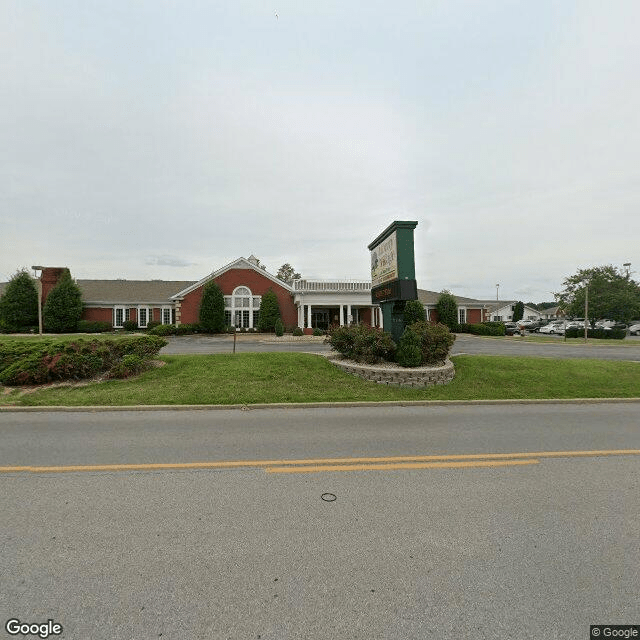
 17 resident community capacity
 Assisted Living
 Board and Care Home
 Continuing Care Retirement Community (CCRC)
 Skilled Nursing Facility
 Activities on-site
 Cable or satellite TV
 Devotional services off-site
 Dining room
 Fully furnished
 Garden
 Housekeeping services
 Indoor common areas
 Move-in coordination
 Outdoor space
 Telephone
 Wi-Fi/high-speed internet available
 24-hour supervision
 Ambulatory care
 Assistance with bathing
 Assistance with dressing
 Assistance with transfers
 Diabetes diet
 Diabetic care
 High acuity care
 Meal preparation and service
 Medication management
 Special dietary restrictions
 Transportation arrangement (medical)
 Transportation to doctors appointments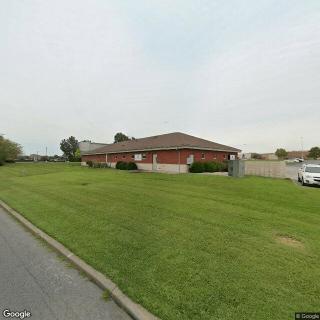
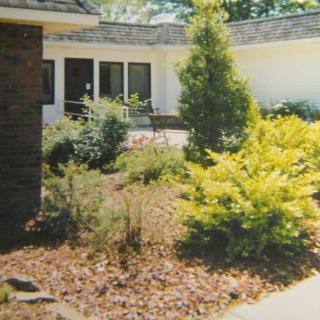
 Clean, spacious environment with attentive staff, 24-hour nursing options, and regular housekeeping.


 Comprehensive Insights into Activities of Daily Living (ADLs) and Their Assessment
 Medicare Coverage for Assisted Living: An In-Depth Exploration
 Your Comprehensive Guide to Luxury Assisted Living: Elevated Facilities, Amenities, and Costs