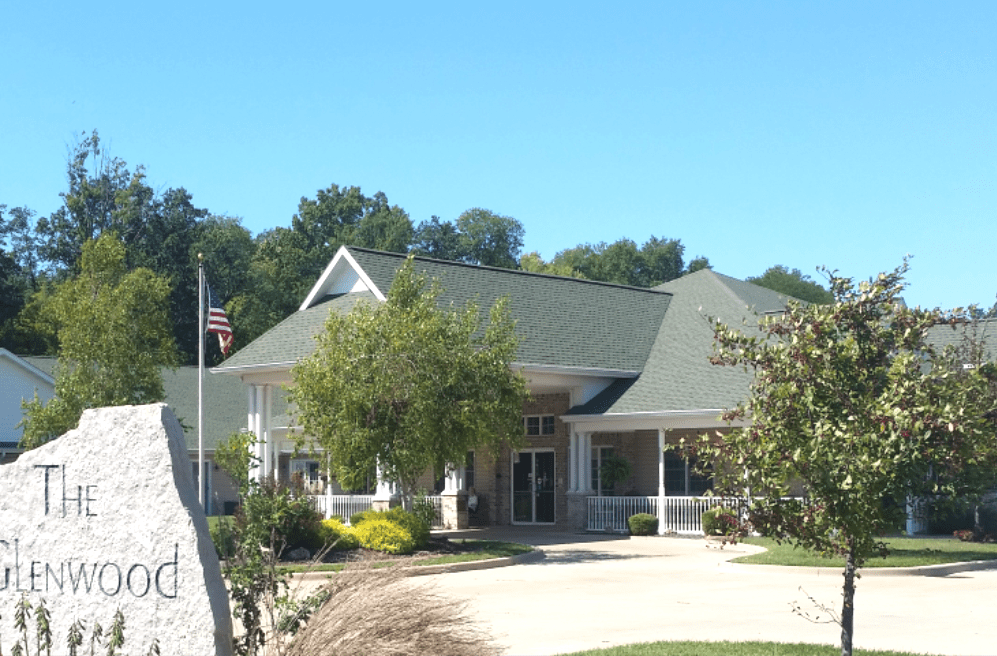
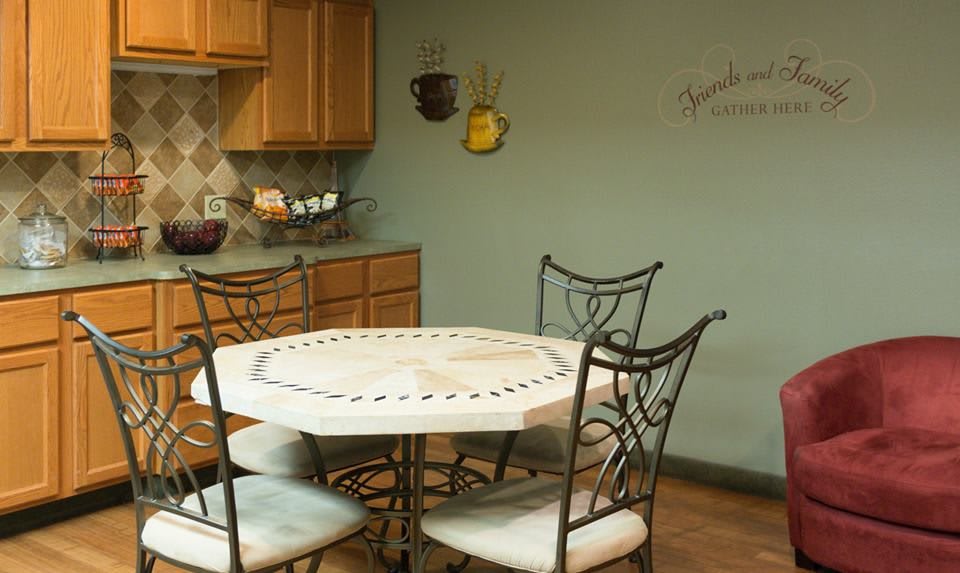
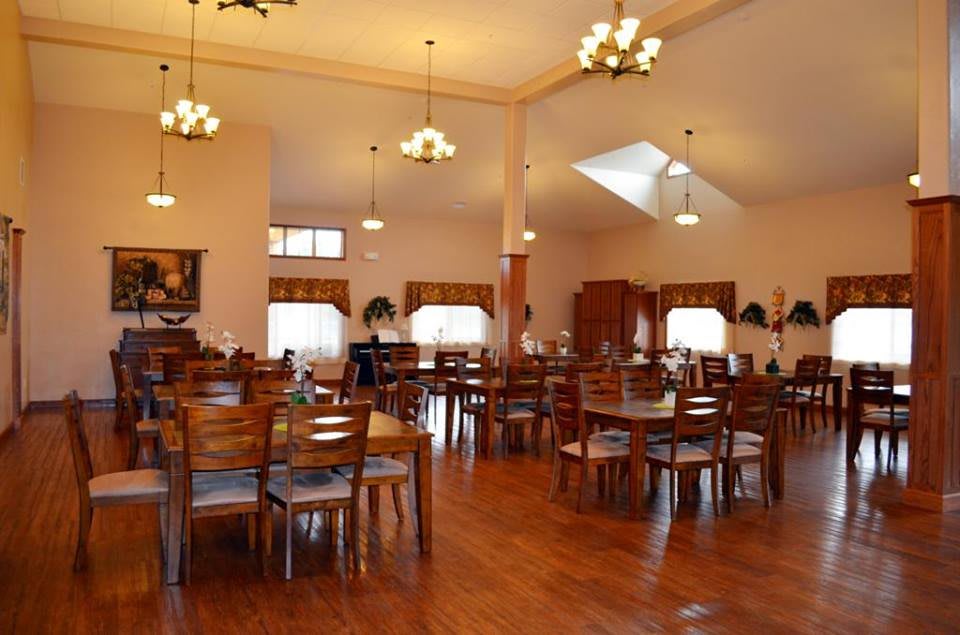
605 S. Dewey St., Greenville, IL 62246
To contact a resident: (618) 664-9012
For more information about senior living options: (866) 208-4318
The Glenwood of Greenville Costs & Pricing
The Glenwood of Greenville offers competitive pricing for its accommodations compared to both Clinton County and the broader state of Illinois. For a studio room, residents will find a monthly cost of $3,126, which is significantly lower than the county average of $4,169 and the state average of $4,028. One-bedroom units are also attractively priced at $3,557, again undercutting the county's average of $3,902 and aligning favorably with the state's median of $3,527. The two-bedroom option is priced at $4,607, while still lower than the county's figure of $4,936 and in contrast to Illinois' average of $4,208. Overall, The Glenwood provides an appealing value proposition for prospective residents seeking quality living arrangements in a supportive community environment.
| Floor plans | The Glenwood of Greenville | Clinton County | Illinois |
|---|---|---|---|
| Studio | $3,126 | $4,169 | $4,028 |
| 1 Bedroom | $3,557 | $3,902 | $3,527 |
| 2 Bedrooms | $4,607 | $4,936 | $4,208 |
Assisted Living communities with a similar price nearby
-
from +$324 / mo
The Villas At St James
$3,450 to $4,500 / month19.1 miles away -
from +$574 / mo
Cedarhurst Of Breese
$3,700 to $6,850 / month19.6 miles away -
from -$171 / mo
Evergreen Place Supportive Living Litchfield
$2,955 to $5,070 / month23.6 miles away -
About the same
The Glenwood Supportive Living of Staunton
$3,151 to $4,646 / month23.7 miles away -
from +$134 / mo

Timber Creek Village Assisted Living of Litchfield
$3,260 to $4,118 / month24.6 miles away
Overall Review of The Glenwood of Greenville
Pros
 The Glenwood maintains a clean facility with friendly staff and engaging activities.
- The nursing and management staff create individualized plans to help residents regain independence.
- Residents enjoy good meals and meaningful interaction with fellow residents.
- The environment is supportive and welcoming, reflecting attentive care over the years.
- The facility offers amenities and services that enhance daily life for long-term residents.
Review
The Glenwood of Greenville is best suited for active seniors who want a clean, resident-friendly setting where everyday life flows with predictability and support. It works well for couples who wish to remain close while preserving independence, and for families seeking reassurance that care coordination will respond quickly to changing health needs. The community’s emphasis on cleanliness, approachable staff, and a broad slate of amenities makes it a practical home for residents who value social connection, reliable meals, and routine activities. Those who thrive here typically enjoy a steady calendar of social programs, accessible transportation options, and a staff team that treats residents with familiarity and respect rather than clinical formality.
Explicitly, the Glenwood is not a fit for seniors who require constant, high-level medical supervision or dementia care that demands a highly specialized environment. Individuals with complex nursing needs, intensive wound care, or mobility support that exceeds typical assisted-living levels may find limited alignment. Families with tight budgets or expectations of minimal care interruptions may want to compare options, since fully medicalized settings or memory-care communities could offer different configurations. For those pursuing a step-down path from hospitalization into a living arrangement that still honors independence, Glenwood provides a practical middle ground, where skilled staff can tailor supports without sacrificing dignity.
On balance, the strongest positives, cleanliness, friendly staff, engaging activities, and solid meal service, create a reliable foundation for daily life. The presence of generous amenities and meaningful social opportunities means residents are likely to build routines that support mood and health. The standout feature is the willingness of management and caregivers to customize plans when health shifts occur, helping residents stay as independent as possible. The main caveat is that the community leans toward maintaining independence rather than delivering intensive care; this means some medical nuances may require external arrangements. Still, the capacity to coordinate rehab, re-enter living spaces, and re-engage with peers mitigates this concern for most residents.
Illustrative stories from residents reinforce these strengths. One account describes a father who fell ill and required hospital rehab; after two months, he chose to return to Glenwood with his wife. The Glenwood team evaluated both parents and crafted individualized plans that preserved as much autonomy as feasible, allowing the couple to resume their apartment life and continue social routines. Families report good meals and ongoing interaction with fellow residents, which keeps evenings active and conversations rich. The staff’s responsiveness to changes in health, along with transparent communication with family members, stands out as a recurring theme that differentiates Glenwood from less personalized settings.
Decision-makers should ask pointed questions to validate fit. Key areas include the scope of what “assistance” covers day-to-day, the process for stepping up or back from independent living, and how rehab or outpatient follow-up is integrated. Clarify what is included in the monthly rate versus add-ons, and request examples of care plans used during recent health events. Prospective residents should also assess whether the social calendar aligns with personal interests, and whether staff turnover is low enough to sustain meaningful relationships. The Glenwood’s track record suggests a practical, resident-centered approach that rewards engagement, but thorough due diligence helps ensure the expectations match the actual experience.
Bottom line: The Glenwood of Greenville represents a pragmatic, well-run choice for seniors who prize cleanliness, accessible care coordination, robust social life, and the confidence that a dedicated team can guide transitions back to independence after illness. For those needing more intensive medical supervision, or whose finances demand tighter cost controls, exploring alternatives remains prudent. When scheduling tours, focus on recent resident stories, talk with current families about daily routines, and request a clear sample plan that shows how care adapts during health changes. With these steps, families can determine whether Glenwood aligns with goals of safety, community, and sustained autonomy.
 Assisted Living
 Activities on-site
 Bath tubs
 Beautician on-site
 Devotional services off-site
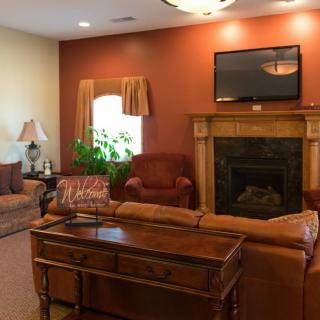
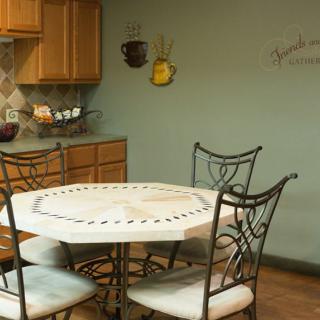
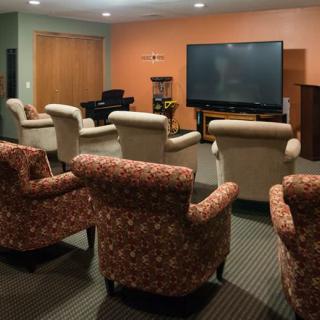
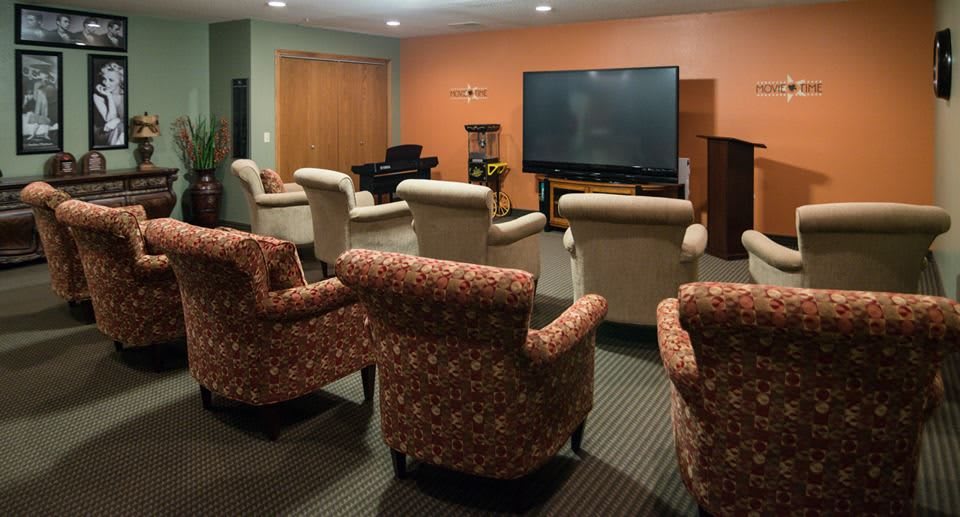
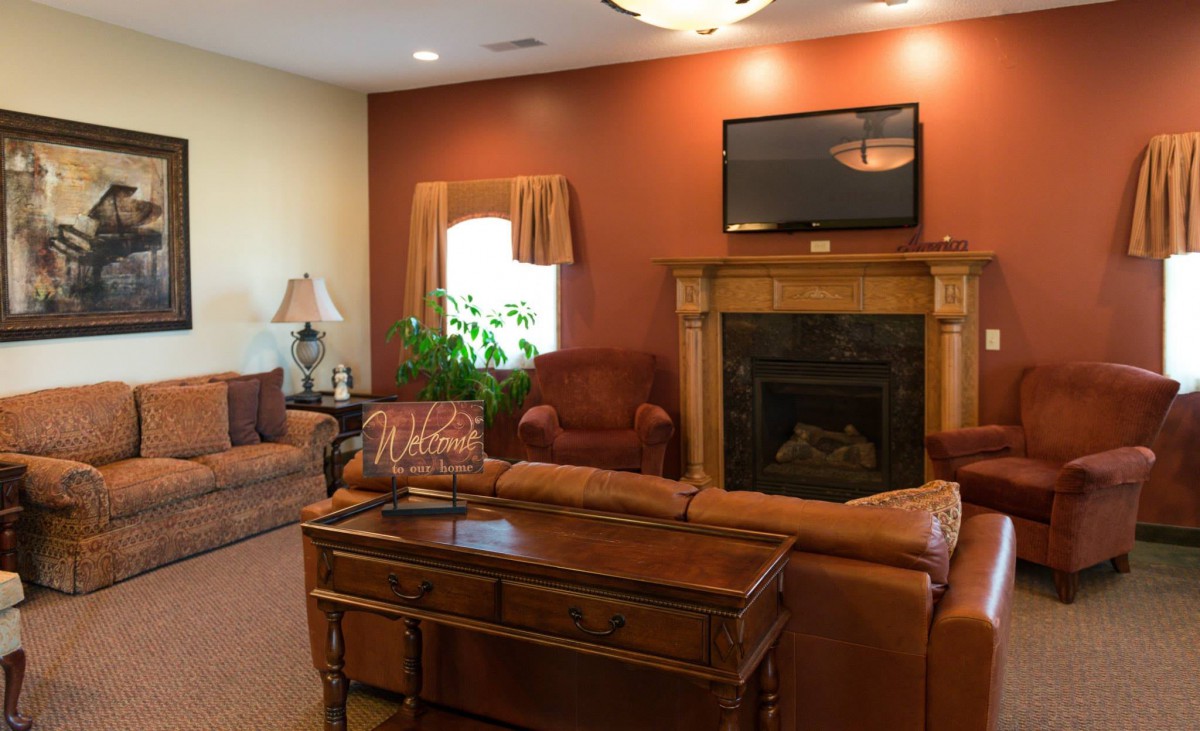
 Indoor common areas
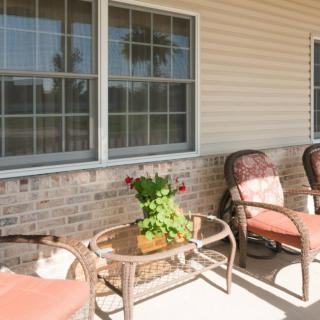
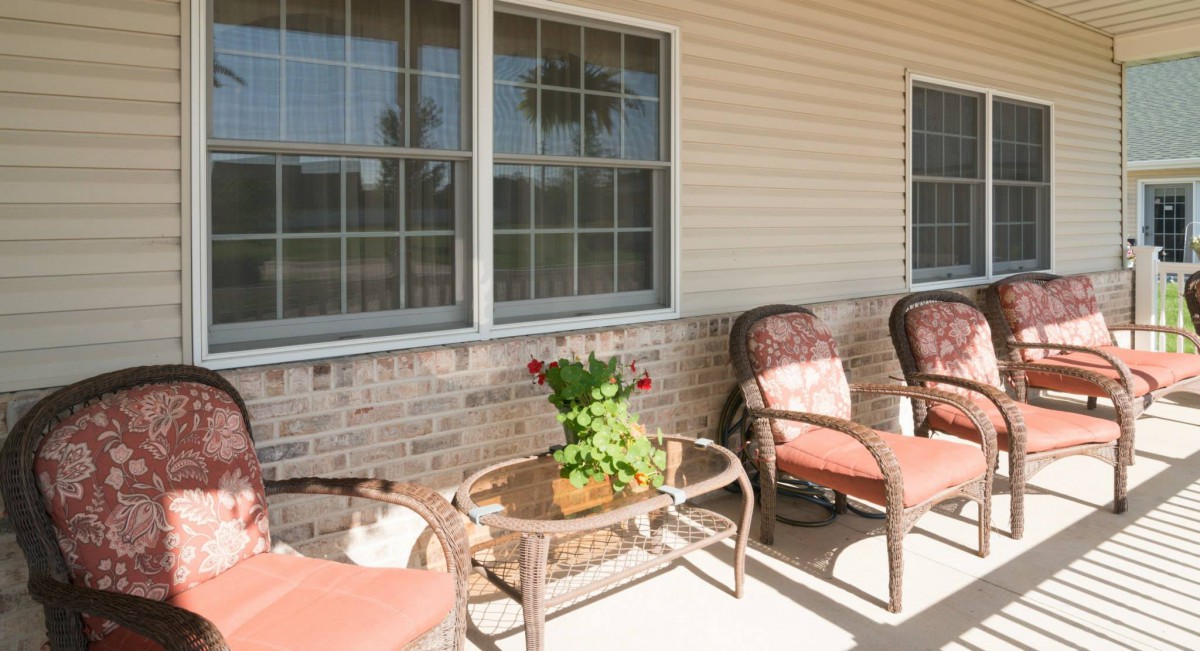
 Outdoor common areas
 Wheelchair accessible showers
 Ambulatory care
 Diabetic care
 Incontinence care
 Medication management
 Meals provided



 8 Key Indicators That Suggest It May Be Time to Transition from Assisted Living to Skilled Nursing Care
 Vibrant Senior Living: A Comprehensive Guide for Active Older Adults
 When to Transition from Assisted Living to Memory Care: Key Indicators, Steps, and Finding the Right Community