
829 N Hurff Dr., Elmwood, IL 61529
To contact a resident: (309) 264-4690
For more information about senior living options: (866) 208-4318
Overall Review of Country Comfort
Pros
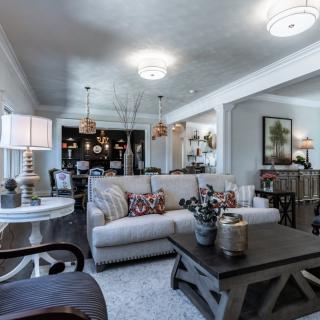
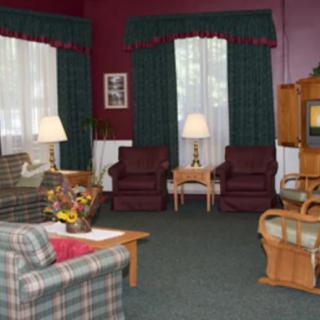
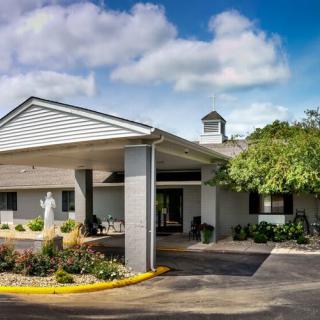
 The facility is amazing and has a homelike feel.
- The care and compassion during the stay were amazing.
- The staff have become like family, and that is their motto.
Review
Country Comfort in Elmwood, IL is best suited for families seeking a truly homelike atmosphere where care feels personal and staff treat residents as family. The reviews underscore a comforting, almost residential vibe rather than a clinical corridor of care. Residents are described as receiving care and compassion that extends beyond routine tasks, with staff members who embody a familial commitment and a motto that reinforces that bond. For families craving a place where the day-to-day cadence mirrors a home environment, this community delivers a level of warmth and accessibility that can ease transitions and daily stress. In short, it is a compelling fit for those who prioritize intimate, relationship-driven caregiving over formal institutional polish.
That said, certain families may want to consider alternatives if their loved one requires more robust medical oversight or a broader slate of clinical services. If 24/7 on-site nursing, specialty therapies, or highly structured programming for complex health needs are non-negotiable, a larger or more medically oriented community could serve better. Similarly, when memory care, extensive rehab options, or highly predictable activity calendars are priorities, other facilities with more expansive capabilities in those areas may be a preferable match. The question for decision-makers is whether the trade-off for a homelike, staff-centric culture aligns with the level of medical and rehabilitative support anticipated in the near term.
The prominent pros, most notably the homelike feel and the strong, compassionate staff, operate as a meaningful offset to the typical concerns families weigh in intimate settings. When caregivers become accessible members of the daily life, families experience fewer barriers to communication, faster adjustments to routines, and smoother responses to small crises. The staff-as-family ethos tends to generate trust, reduces resident anxiety, and fosters a sense of safety that is often hard to achieve in larger campuses. For residents who thrive on personalized attention and predictable, familiar routines, these advantages can translate into steadier moods, better adherence to care plans, and more consistent daily engagement.
If potential drawbacks exist, they are likely to center on scale and scope rather than warmth. A smaller, homelike operation may naturally offer fewer on-site medical specialists, a narrower array of therapy modalities, and fewer high-demand amenities compared with bigger campuses. However, these downsides can be mitigated by clear communication about what is available, robust care coordination, and flexible scheduling with regional networks for off-site services when needed. The key is transparency about capabilities, rapid escalation pathways for medical issues, and a clear plan for transitions if a residentā€™s needs evolve. In such cases, the intimate setting remains a distinct strength, but with boundaries that families should verify during a tour and a candid care planning discussion.
Practical decision guidance centers on matching priorities to realities. Prospective families should assess how important the homelike atmosphere and close-knit caregiving culture are relative to the need for medical acuity and rehabilitative services. It is prudent to request details on staffing ratios, average response times, and how care plans are reviewed and updated. Visitors should observe interactions between staff and residents, ask about turnover, and solicit first-hand impressions from current families. Cost considerations, transition plans, and contingency options if health needs change should be clarified in writing. In short, the right decision hinges on whether a warm, family-centric setting meets the anticipated level of medical support and activity variety.
Across the board, Country Comfort presents a clearly favorable option for families prioritizing connection, compassion, and a home-like daily rhythm. It stands out as a place where residents are seen, known, and cared for with a genuine, almost familial dedication. For those whose loved ones are most grateful for easy, trusting relationships with caregivers and comfort in a residential environment, this community can deliver peace of mind that is often elusive in more impersonal settings. Others, particularly those with high medical complexity or demanding therapeutic requirements, should benchmark this option against communities that foreground clinical depth and program breadth to ensure the best alignment with anticipated needs.
 Board and Care Home
 Greater Peoria Regional (17 miles away)
 Comprehensive Insights and Practical Strategies to Help Older Adults Avoid Falls
 6 Crucial Ways an Elder Law Attorney Assists Families
 Navigating the Tax Landscape of Caregiving: Credits, Deductions, and Beyond