
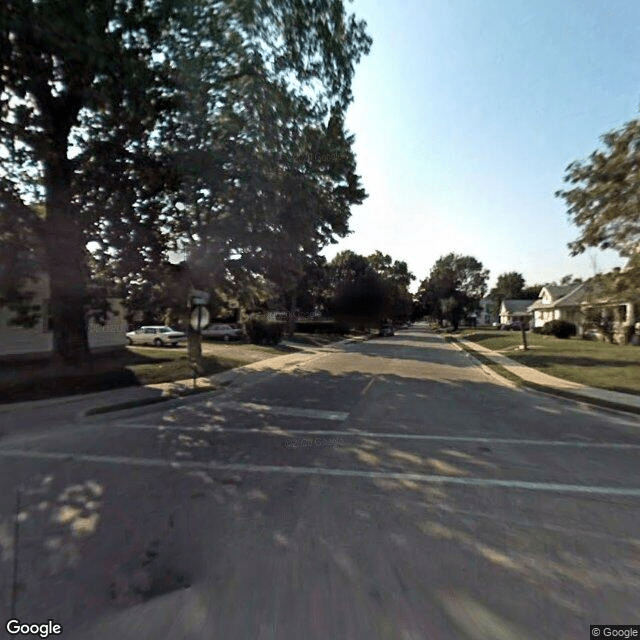
1402 E Main St, Danville, IL 61832
To contact a resident: (217) 709-0160
For more information about senior living options: (866) 208-4318
Right At Home Of Illiana Costs & Pricing
Right At Home Of Illiana offers competitively priced options for senior living in comparison to both Vermilion County and the broader state of Illinois. For example, their studio apartments are available at $2,095 per month, significantly lower than the county average of $2,593 and the state average of $4,028. The 1-bedroom units at Right At Home are also attractively priced at $2,795, compared to $3,348 in Vermilion County and $3,527 statewide. Similarly, their 2-bedroom accommodations come in at $2,895, while the county cost is $3,288 and the state figure reaches as high as $4,208. These rates reflect Right At Home Of Illiana's commitment to providing affordable yet quality living arrangements that cater to the needs of seniors without compromising on service or comfort.
| Floor plans | Right At Home Of Illiana | Vermilion County | Illinois |
|---|---|---|---|
| Studio | $2,095 | $2,593 | $4,028 |
| 1 Bedroom | $2,795 | $3,348 | $3,527 |
| 2 Bedrooms | $2,895 | $3,288 | $4,208 |
Overall Review of Right At Home Of Illiana
Pros
 Kayla did a fantastic job and was a good fit.
- The caregivers were wonderful and friendly, and their help was good.
- The supervisors are awesome; they care about clients’ questions and resolve problems.
- The staff are the best.
- They enjoyed the visits to their parents and would likely be in contact again.
Cons
 The worker seemed to want clients to work around their schedule.
- They take long breaks during a four-hour shift, sometimes up to 45 minutes.
- They became defensive when asked and quit without notice.
- The agency failed to inform the client until prompted.
- The schedule is inconsistent and always in flux.
- Irregular scheduling has caused missed appointments with specialists.
- The workers seem unwilling to do any cleaning.
- One worker claimed the mop was too heavy and suggested buying a Swiffer WetJet.
- Replacement caregivers can take nearly two weeks to arrive.
- The service is extremely unreliable.
Review
Right At Home Of Illiana in Danville, IL is best suited for seniors who want practical day-to-day support and companionship and can tolerate a fair amount of scheduling variability. The clients who thrive here are those who can adapt to rotating aides and understand that staffing shifts are common. This agency can deliver meaningful help with light housekeeping, errands, and social interaction when a caregiver is on site, but it is not a fit for households that demand unwavering punctuality, a single dedicated caregiver, and highly predictable visit patterns every week.
For families weighing options, it is important to flag alternatives for anyone who cannot accept inconsistent coverage. If reliability and clear, proactive communication are non-negotiable, other providers with stronger scheduling guarantees and steadier caregiver pools should be compared. Clients who require intensive, medically oriented oversight, rigid routines, or highly specialized tasks will likely find this agency falling short. Those who cannot supervise or coordinate care closely may encounter ongoing gaps, missed calls, or delayed responses that undermine care plans.
The strongest positives here come from caregivers when they are present and engaged. When a suitable match is made, aides can deliver genuine assistance with daily tasks, provide companionship, and help sustain a sense of normalcy in the home. Supportive supervisors and a sense of wholesome, everyday service can stand out in the right circumstances, contributing to moments of meaningful improvement in daily living. Yet these benefits are highly contingent on stable staffing and effective office coordination, which frequently falter in practice.
The core drawbacks are the most consequential. Scheduling instability is repeatedly the defining issue: multiple workers over time, frequent late arrivals or no-shows, and delays that ripple into medical appointments and other essential activities. Communication gaps compound the problem, calls and messages can go unanswered, and families often must enact their own backup plans. The inconsistency extends to the quality and scope of in-home tasks: some aides resist certain housekeeping chores, or deprioritize tasks like laundry, which directly affects routines that matter to clients with specific needs. In sum, reliability and communication gaps erode the value of any genuine caregiving strengths.
Within the spectrum of in-home care experiences, there are notable examples of excellence and missed opportunities alike. Instances where a caregiver demonstrated a good fit, such as one aide who delivered dependable, thoughtful service, provide a taste of what consistent performance could mean. Conversely, reports of request-fulfillment failures, rude or mismatched communication, and office staff that are hard to reach emphasize the ongoing risk. The contrast is stark: the same agency can evoke equal parts appreciation and frustration, depending on which caregiver is assigned and how the office team responds to concerns.
The practical takeaway for families is to enter with a demand for structure and accountability. Request a concrete caregiver assignment plan with a primary and backup caregiver, and insist on written scheduling guarantees, timely updates, and a clear escalation path for missed visits. Establish a short trial period to test reliability, caregiver compatibility, and how well the office communicates changes. If the plan proves unstable or the office responsiveness dwindles, shifting to alternatives that prioritize consistent scheduling and proactive care management becomes a clear, prudent choice. In short, Right At Home Of Illiana can work for the right client, but it requires upfront negotiation of expectations and a readiness to pursue stronger options if reliability falters.







 Comprehensive Look at Senior Blood Pressure Charts: Normal and Elevated Levels by Age
 Top Canine Companions for Older Adults
 Comprehensive Guide to Blood Pressure Charts for Older Adults: Understanding Normal and High Readings by Age