

480 DD Road, Columbia, IL 62236
To contact a resident: (618) 281-4200
For more information about senior living options: (866) 208-4318
The Bridges of Columbia Assisted Living Costs & Pricing
The Bridges of Columbia Assisted Living offers competitive pricing compared to the broader market in St. Clair County and the state of Illinois. For instance, a studio room at The Bridges is priced at $2,440 per month, which is significantly lower than the county average of $3,384 and the state average of $4,028. Similarly, their one-bedroom option at $2,800 not only undercuts the county's average of $3,713 but also comes in below the state's rate of $3,527. For those requiring more space, a two-bedroom unit at The Bridges is available for $3,165, offering considerable savings compared to St. Clair County's average of $3,937 and Illinois' average of $4,208. This pricing strategy positions The Bridges as an attractive choice for individuals seeking quality assisted living without the high costs typically associated with such accommodations.
| Floor plans | The Bridges of Columbia Assisted Living | St. Clair County | Illinois |
|---|---|---|---|
| Studio | $2,440 | $3,384 | $4,028 |
| 1 Bedroom | $2,800 | $3,713 | $3,527 |
| 2 Bedrooms | $3,165 | $3,937 | $4,208 |
Assisted Living communities with a similar price nearby
-
from +$400 / mo
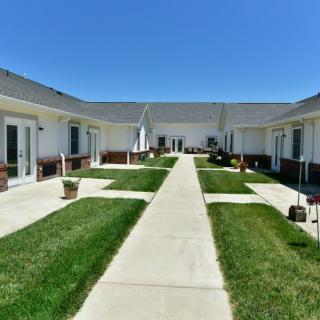
Garden Place Waterloo
$2,840 to $4,150 / month9.1 miles away -
from +$400 / mo

Garden Place of Red Bud
$2,840 to $3,235 / month22.1 miles away -
from -$280 / mo

Mary Ryder Home for Women
$2,160 to $2,420 / month12.8 miles away -
About the same
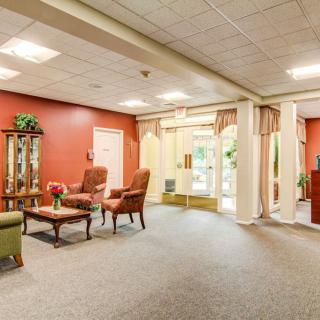
Richmond Terrace
$2,431 to $6,127 / month12.4 miles away -
from +$210 / mo
My Place Residential Care
$2,650 / month18.4 miles away
Overall Review of The Bridges of Columbia Assisted Living
Pros
 Garden Place Columbia impresses guests with its overall quality.
- The price is very good and locked in permanently.
- The staff are very positive.
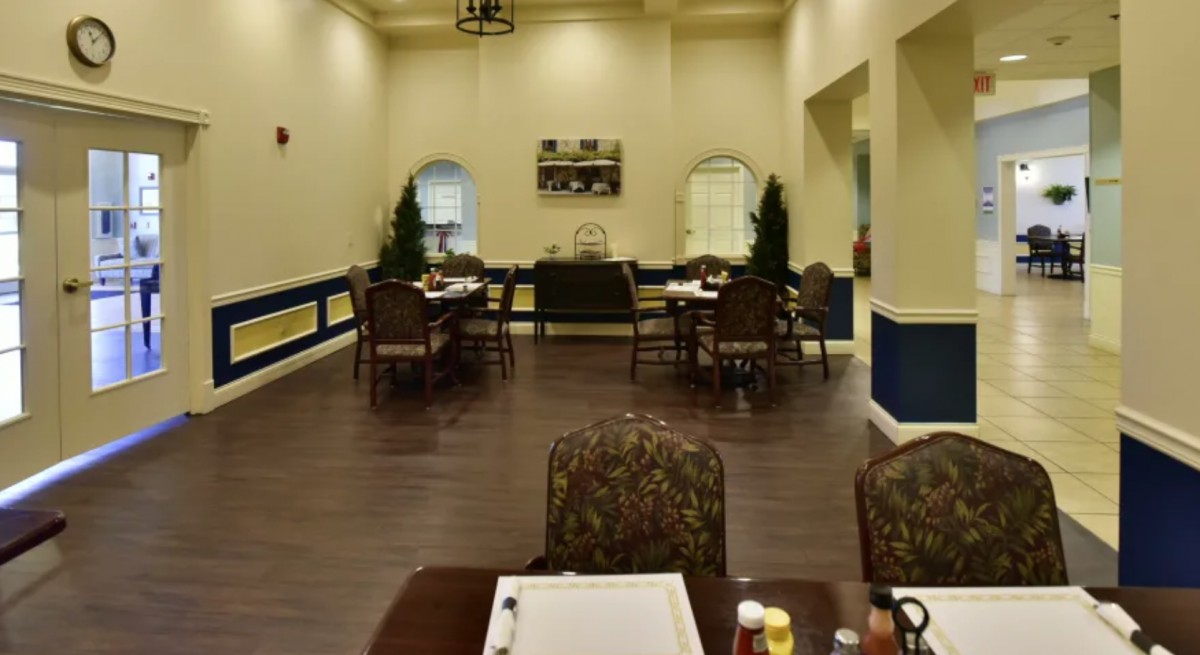
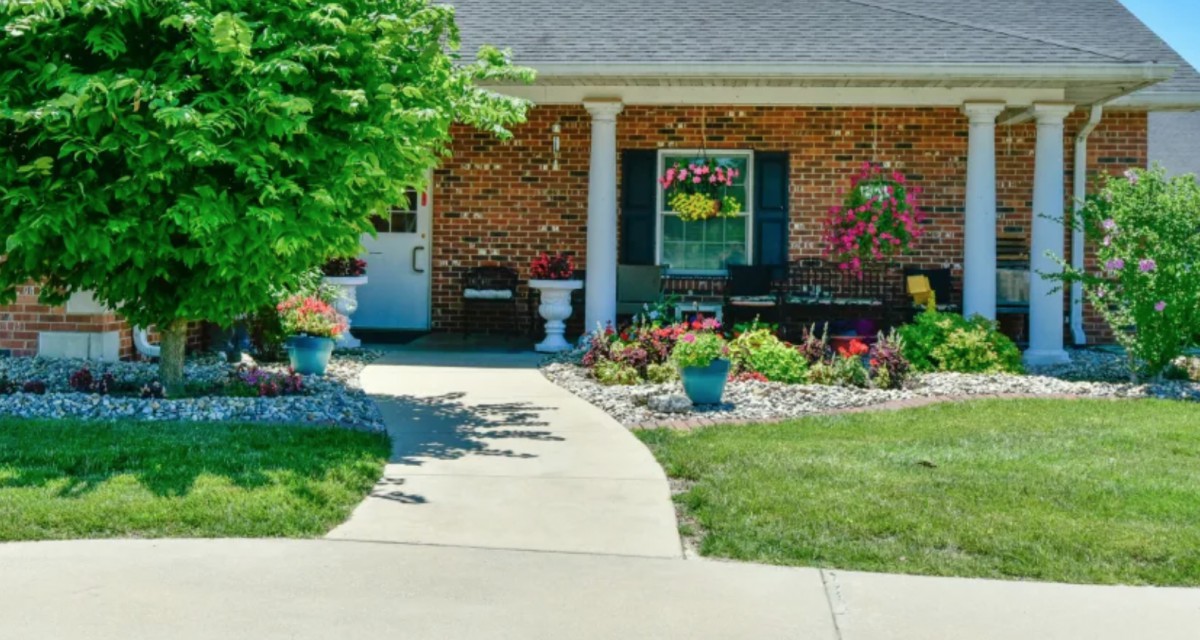
- The facilities are in wonderful condition.
- The rooms are nice.
- The activities director is very capable and on the ball.
- There are many activities for residents.
- The menu looks great.
- The staff have all been very accommodating.
Cons
 Garden Place Columbia was smaller and offered less flexibility for residents.
- The facility required a couple of hours' notice before residents could share a meal with visiting family.
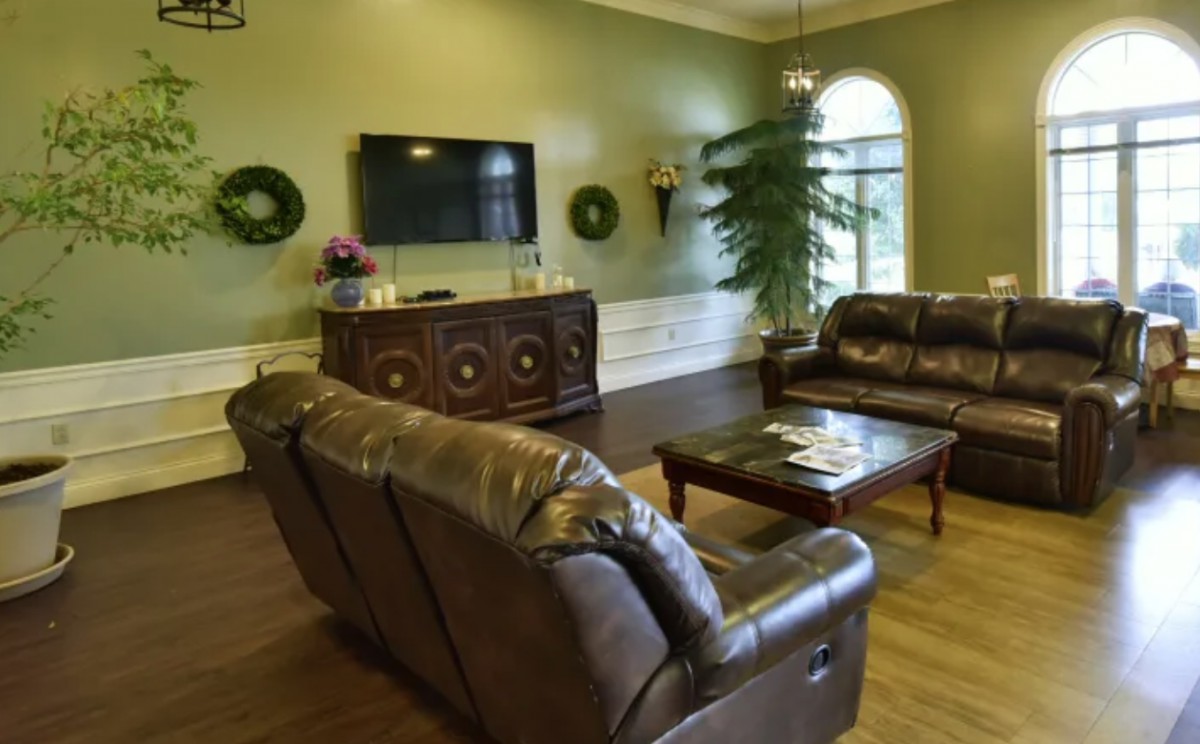
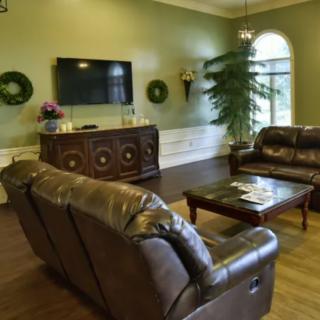
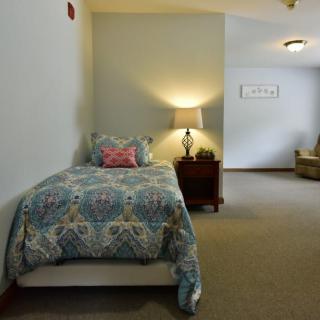
- The rooms were much smaller and fairly dark, with few outside windows.
Review
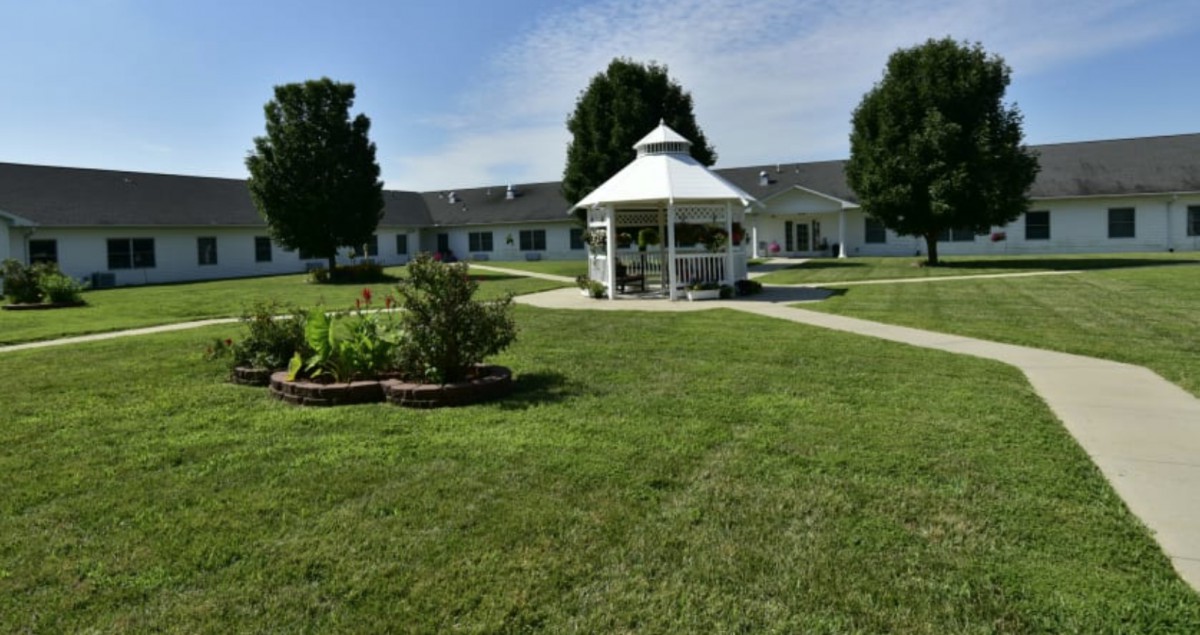
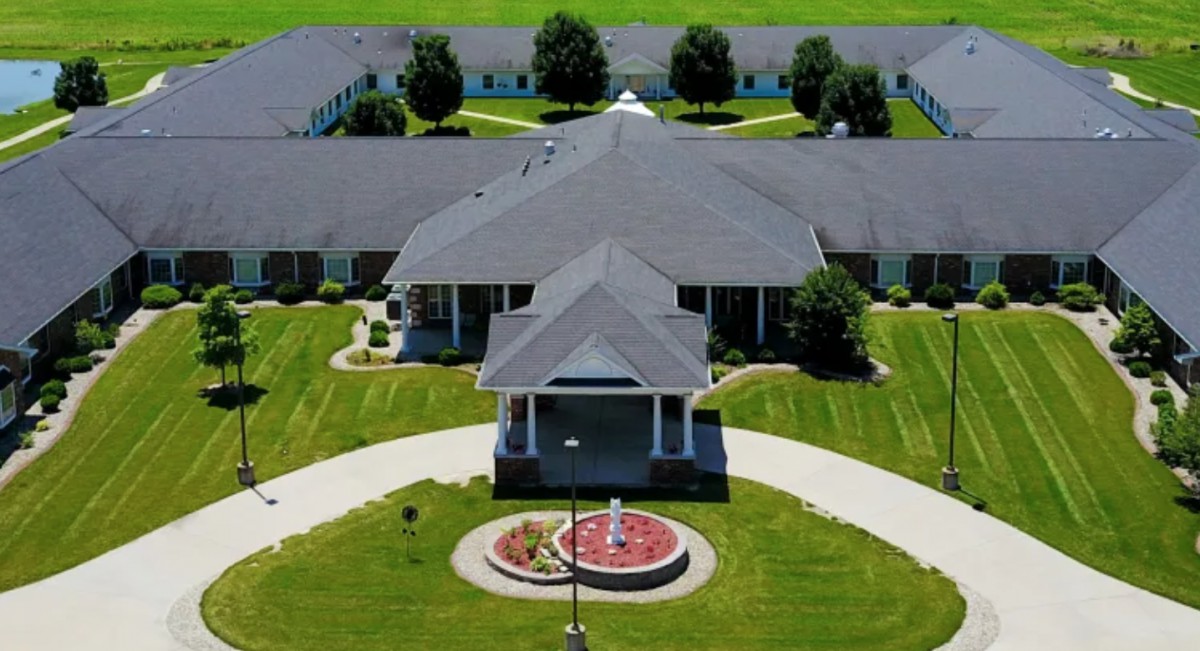
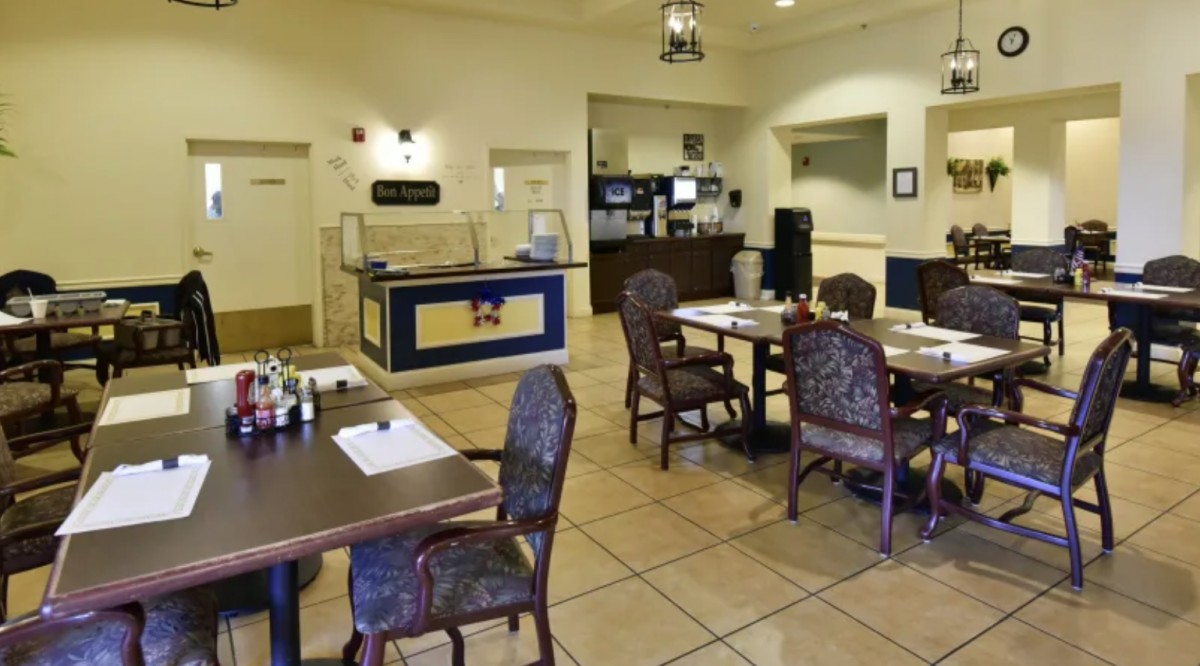
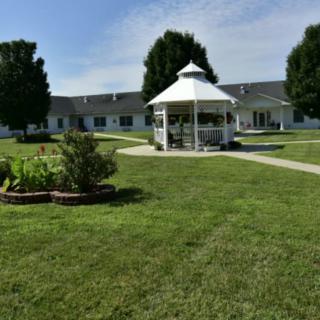
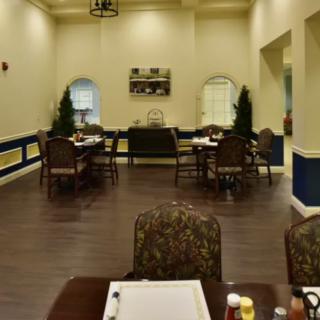
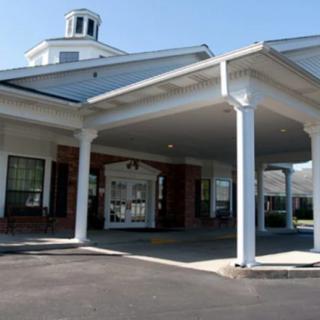
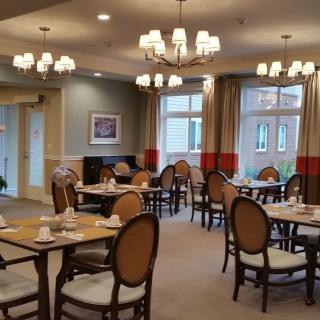
This community is best suited for families seeking predictable costs, a hands-on staff, and a busy social life for residents who enjoy a robust activity calendar. The reviews consistently highlight a locked-in price, staff who are positive and engaged, and a campus where residents can participate in a wide range of events. The activities director is described as especially capable, and the dining environment plus amenities like a salon, chapel, dining area, and courtyard reinforce a sense of community that keeps seniors connected and engaged without chasing constant new arrangements. For families prioritizing stability, value, and a lively social scene, this model fits well.
On balance, the strongest positives are price security and a well-supported, active campus. The price lock provides financial clarity, a major relief for families planning long-term care costs. Staff are repeatedly praised for their warmth and attentiveness, which translates into a welcoming atmosphere and smoother daily life for residents. The facilities themselves are described as well maintained, with clean rooms and a layout that is easy to navigate. A broad slate of activities, bingo, music, volunteer-led programs, and regular outings, helps sustain routines, reduce isolation, and foster an approachable, resident-centered culture.
However, there are notable drawbacks that demand careful consideration. The facility’s smaller size translates into less flexibility for residents who want to shape their daily schedule or try new outings beyond the planned programming. A recurring concern is limited dining flexibility: in one report, meals with a visiting family require advance notice, which can dampen spontaneous moments. Another meaningful trade-off is in the rooms themselves, which are described as smaller and comparatively darker, with fewer outside windows. For residents who prize abundant natural light, larger living spaces, or more expansive private rooms, these factors could feel restrictive.
These cons are not fatal; they are offset by the assets already described. The strong staffing and positive resident sentiment help counterbalance smaller rooms by creating consistent, reliable care and social support. The abundance of activities and a vibrant dining culture can compensate for a compact footprint by offering meaningful engagement throughout the day. Cleanliness and ease of navigation further mitigate everyday friction, making it easier for residents and families to feel confident about daily routines without constant supervision. In short, the positives sustain quality of life even when physical space feels modest.
For families weighing alternatives, the key question centers on personal priorities: is a larger, brighter living space and greater spontaneity around meals essential, or can a structured, active community with predictable pricing deliver the level of engagement and security desired? The comparison point here is clear, the smaller, more contained environment with a rich activity calendar appeals to those who value stability, social vibrancy, and cost predictability, while alternatives that offer bigger rooms, more external light, and more flexible dining arrangements may better serve residents who crave privacy, expansive living quarters, or unstructured meal-sharing moments with loved ones.
When evaluating The Bridges of Columbia, approach with a practical checklist rooted in these findings. Confirm room sizes and window exposure, and assess whether the floor plan supports easy daily living for a potential resident with mobility concerns. Inquire about dining policies for family meals and any flexibility there, as well as the availability of respite care or short-stay options if needed during transitions. Probe the breadth of programming beyond the core calendar, including volunteer partnerships, guest performers, and intergenerational activities. Finally, request transparent clarity on pricing inclusions, potential rate increases, and the staff-to-resident dynamic, so the decision rests on concrete, experience-backed factors rather than impression alone.
 1-bedroom apartments
 Assisted Living
 Independent Living
 Activities on-site
 Beautician on-site
 Devotional services off-site
 Indoor common areas
 Wheelchair accessible showers
 Lambert-St Louis International (21 miles away)
 Ambulatory care
 Diabetic care
 Incontinence care
 Meals provided




 Comprehensive Residential Support and Assisted Living Solutions for Individuals with Disabilities
 Comprehensive Supportive Living Arrangements for Adults with Disabilities
 Funding and Affording Assisted Living: A Thorough Overview