

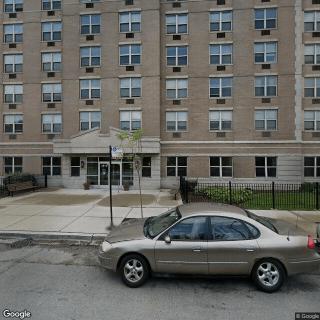
7115 S. Sawyer Ave., Chicago, IL 60629
To contact a resident: (773) 209-7316
For more information about senior living options: (866) 208-4318
Overall Review of Care at Home
Pros
 Mrs Ellena was excellent and very patient with the parents.
- The branch helped find the right fit for the parents.
- The service was excellent.
- The agency provides excellent care for people who require it.
- The staff are helpful and keep the family informed about changes in the mom’s condition.
- They take mom shopping and handle light housekeeping.
- Mom is very happy with their services.
Cons
 For every ZIP code entered, nothing is available.
- Supervisors are never available when people call.
- Action is needed because supervisor unavailability affects work.
- The CEO should be involved with the supervisor.
- The agency is horrible and does not return calls.
- The payroll is horrible and employees do not earn enough.
- It is the worst agency for elderly people.
- They have unqualified staff who do not feed seniors properly.
- They would not recommend anyone to this agency.
Review
Care at Home in Chicago is best suited for families that want an elderly loved one to remain at home while receiving practical, day-to-day help, things like errands, light housekeeping, and routine monitoring, delivered by a caregiver who can become a steady presence. The strongest fits appear to be households that prize flexible scheduling and clear, ongoing communication about changes in health or medications, with staff who can handle non-medical tasks that keep daily life organized. When a caregiver proves patient and attentive, and when the branch keeps families informed about medical updates and care adjustments, the arrangement can feel seamless and genuinely supportive for someone who does not yet require intensive skilled nursing.
Yet, this agency demands cautious consideration for families where reliability and predictable oversight are non-negotiable. A consistent thread in the reviews is difficulty reaching supervisors, long wait times for callbacks, and inconsistent staffing, which translates into unpredictable schedules and variable caregiver quality. Reports of unqualified aides and dissatisfaction with basic care delivery raise red flags for any plan built around regular, home-based support. Payroll issues and a pattern of communication gaps further undermine trust and can disrupt routines at critical moments. For families managing care from afar or facing tight timelines, these gaps may become decisive, pushing them toward alternatives with stronger centralized oversight and more dependable coverage.
On the positive side, when operations align, the gains are tangible. Families repeatedly note caregivers who keep them informed about changes in a loved one’s condition, as well as practical help with shopping and light housekeeping. A dependable, well-matched caregiver can ease daily stress, help maintain dignity, and extend the period of safe, comfortable home living. Several reviewers singles out staff members for their reliability and for delivering personalized service that adapts to the elder’s preferences. The potential to tailor tasks to the senior’s needs is a real strength when the right caregiver is in place and the care plan is actively managed.
However, the negatives carry real weight and cannot be dismissed. The recurring issues of unavailable supervisors, missed calls, and inconsistent caregiver performance create a real risk of care gaps, especially during caregiver turnover or when schedules change abruptly. Some caregivers are described as not meeting basic needs, which is unacceptable for any home-care arrangement. Operationally, payroll problems and a sense of overall instability feed doubt about long-term reliability. The ZIP-code note, “every ZIP Code you put in, they said nothing available”, signals limited capacity in some areas, which compounds the risk of gaps in coverage during high-demand periods. In short, what works well in favorable moments may not hold under pressure.
To get the most from this agency, prospective clients should enter with actionable, clearly defined expectations and a plan for escalation. Insist on a dedicated supervisor and a written care plan that spells out tasks, frequencies, and safety protocols, with a clear path for addressing changes in care needs. Request caregiver profiles and arrange a preliminary overlap with a backup option so transitions are smooth. Demand regular progress updates, documented notes, and a transparent schedule, along with verified background checks and references. If ongoing gaps persist, it is prudent to compare with larger, better-structured providers known for standardized training, broader caregiver pools, and stronger accountability. A formal service agreement and a documented escalation path help protect families and reduce the risk of drift.
Ultimately, Care at Home offers genuine value for families prioritizing aging in place, provided oversight remains active and expectations are managed. The positives, responsive, task-focused support, practical help in daily living, and caregivers who align with the elder’s preferences, can translate into real quality of life gains. But the reliability and consistency concerns are not minor, and they tilt the scale away from this option for families requiring steady, predictable care or advanced medical support. For those willing to invest in rigorous governance, regular check-ins, and clear contingency planning, this branch can deliver meaningful support. For others, especially where continuity and oversight are essential, exploring alternatives with stronger supervision and broader coverage is a prudent, more secure course.
 Chicago Midway (3 miles away)







 Navigating Medicare Coverage for In-Home Care Services
 In-Home Care Costs in 2025: A Detailed State-by-State Exploration
 Understanding Home Health Care: A Comprehensive Guide