

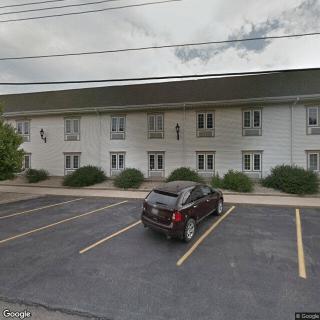
435 N 16th Ave, Canton, IL 61520
To contact a resident: (309) 647-2475
For more information about senior living options: (866) 208-4318
Red Oak Memory Care Costs & Pricing
Red Oak Memory Care offers a one-bedroom unit priced at $4,500 per month, which is notably higher than the average costs for similar accommodations in both Peoria County and across Illinois. In Peoria County, the average monthly cost for a one-bedroom residence is approximately $3,055, while the state average stands at around $3,527. This indicates that Red Oak Memory Care positions itself as a premium option within the market, likely reflecting additional services or amenities designed to enhance the care experience for residents dealing with memory-related challenges. While the cost may be higher than other facilities in the area, potential residents and their families might consider this investment as crucial for specialized care and support.
| Floor plans | Red Oak Memory Care | Peoria County | Illinois |
|---|---|---|---|
| 1 Bedroom | $4,500 | $3,055 | $3,527 |
Memory care communities with a similar price nearby
-
from -$550 / mo

Heartis Village of Peoria
$3,950 to $4,775 / month23.5 miles away -
About the same

Bickford - Peoria Cottage
$4,590 / month24.9 miles away
Overall Review of Red Oak Memory Care
Pros
 Some workers are excellent.
- The nurses are exceptional, down to the kitchen staff.
- They drive her to visit her brother in another nursing home once a week and take her to the doctor and grocery store for special treats.
- The front porch is lovely, and she enjoys sitting and walking there.
- Mom is pretty happy there.
- Red Oaks provides essentials like toilet paper and paper towels, included in the monthly cost.
- A beautician comes weekly, and a podiatrist visits periodically.
- The facility is very clean, they do her laundry, and she enjoys the people.
- Residents can come and go as they please.
Cons
 Some workers cannot read letters to her because she is blind.
- One of the nurses gave her friend the wrong medicine.
- The food is inconsistent, sometimes good and other times bad.
- Laundry could use some improvement.
- She wishes the staff had more training and higher pay to reduce turnover.
- They are sometimes short of help, making it hard for her to have someone read her mail when it’s in cursive.
- There was a leak in her bathroom ceiling once.
Review
Red Oak Memory Care in Canton, IL is best suited for seniors with memory-care needs who want a homey, engaged environment where practical services are readily available and caregivers are responsive in clinical and daily tasks. The community earns its footing with strong nursing and kitchen teams, a clean, reliable operation, and a schedule of conveniences that keep daily life moving smoothly: laundry is handled, a weekly beautician visit is included, a podiatrist visit occurs periodically, and transportation is arranged for family visits and errands. Residents who relish outdoor space and the ability to come and go with some independence will find the front porch and loose structure of daily routines particularly appealing. The program also supports social connection through regular outings and on-site activities, which helps maintain a sense of normalcy for residents who still want to participate in a broader community.
Those who should consider alternatives are families prioritizing flawless medication safety and perfectly consistent staffing every shift. The reviews note variability in staff training and communication, including incidents where a caregiver misread or misread a medical instruction and a message about letters for a blind resident is not always read accurately. If medication accuracy, highly predictable staffing coverage, and rigorous, uniform training are non-negotiables, other communities with scrubbed incident rates or a higher emphasis on standardized memory-care protocols may be worth evaluating. Prospective residents who demand consistently high meal quality and a uniformly quiet, predictable environment may also want to tour competitors with stronger consistency in dining and daily rhythms.
The strong points at Red Oak effectively counter several of the notable drawbacks. The nurses and the kitchen staff are repeatedly described as exceptional, which is essential in memory care where timely, compassionate care and reliable nutrition matter most. Cleanliness is consistently highlighted, and practical amenities, on-site laundry, a beautician included in the monthly rate, and periodic podiatry, add tangible value that reduces family burden. The ability for residents to come and go, and the coordinated transportation for visits to a family member’s facility or doctor appointments, helps preserve autonomy and connection, offsetting some concerns about staffing gaps or cursory mail-readings for a resident who is visually impaired. In short, daily care quality and responsive, personal attention at times compensate for less uniform training in others.
Yet the cons do not disappear simply because the positives exist. The most salient risks involve potential lapses in safety and communication: medication errors, staff turnover leading to inconsistent response times, and gaps in specialized support for residents who are blind or have significant memory impairment. Food quality can vary, and maintenance issues, like a previously reported bathroom ceiling leak and occasional heat fluctuations, reveal that the environment is not risk-free. These factors matter because memory care residents rely on stable routines and precise care for safety and peace of mind. The balance, then, rests on whether families can tolerate occasional operational hiccups in exchange for strong clinical care, social engagement, and comprehensive routine services.
For families weighing Red Oak, a practical decision framework would center on three questions: Can staff continuity be demonstrated and tracked over time, especially for critical tasks like medication administration and mail assistance? Are meal standards and dining experiences sufficiently consistent to support long-term appetite and nutrition? Is the transportation and caregiving rhythm flexible enough to support ongoing family involvement without creating dependency or confusion for the resident? If the answer to these is largely affirmative, Red Oak represents a compelling option for a memory-care setting that emphasizes care quality, resident autonomy, and practical, value-driven amenities. If not, alternatives with more consistent staffing models, stricter medication safety protocols, and steadier daily programming should be pursued.
 Assisted Living
 Memory Care
 Activities on-site
 Devotional services off-site
 Indoor common areas
 Greater Peoria Regional (18 miles away)
 Ambulatory care
 Diabetic care
 Meals provided







 Illuminating Insights About Alzheimer's Disease: Ten Crucial Realities
 A Thorough Discussion of Medications Potentially Linked to Dementia Risk
 Why Do Dementia Patients Sleep So Much? Understanding Oversleeping, Stages, and Care Approaches