
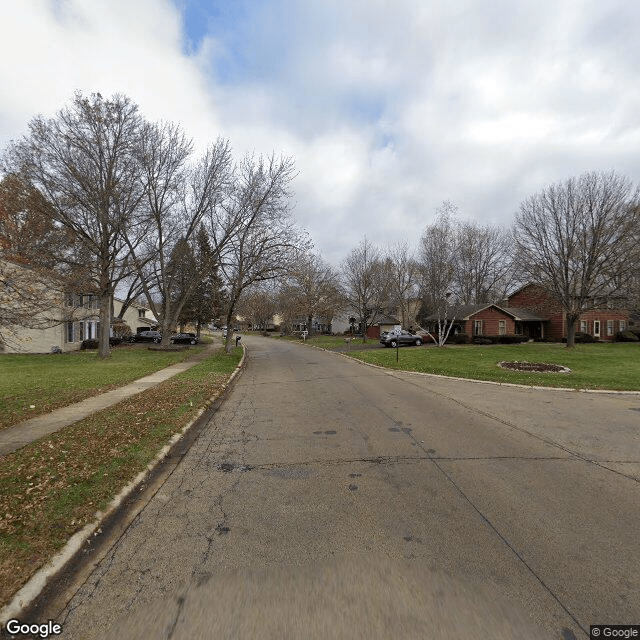
646 Van Nortwick, Batavia, IL 60510
To contact a resident: (630) 677-2850
For more information about senior living options: (866) 208-4318
Home Care Advantage - Van Nortwick House Costs & Pricing
Home Care Advantage - Van Nortwick House offers competitive pricing for its residential services, particularly when compared to the broader market in Kane County and the state of Illinois. For a semi-private room, residents can expect to pay $3,000 per month, which is significantly lower than the county average of $4,418 and the state average of $5,146. Similarly, the cost for a private room at Van Nortwick House is set at $4,000, which not only remains competitive compared to Kane County's average of $4,124 but also offers substantial savings relative to the Illinois statewide average of $5,049. This positions Home Care Advantage - Van Nortwick House as an appealing option for individuals seeking quality care without overstretching their budgets.
| Floor plans | Home Care Advantage - Van Nortwick House | Kane County | Illinois |
|---|---|---|---|
| Semi-Private | $3,000 | $4,418 | $5,146 |
| Private | $4,000 | $4,124 | $5,049 |
Senior living communities with a similar price nearby
-
from +$500 / mo
Pheasant Branch
$3,500 to $4,000 / month3.0 miles away -
from +$500 / mo
Ignite Christian Health Care Bolingbrook
$3,500 to $4,000 / month17.2 miles away -
About the same

Robin's Nest Assisted Living
$3,000 to $5,100 / month1.4 miles away -
from +$500 / mo
Halina's Home Care
$3,500 to $4,000 / month4.2 miles away -
About the same
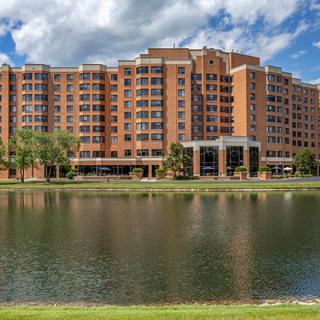
Brookdale Hoffman Estates
$2,950 to $4,250 / month16.0 miles away
Overall Review of Home Care Advantage - Van Nortwick House
Pros
 The staff are consistently super friendly.
- The home is always clean and cheery.
- The food is very good.
- The reviewers would recommend this facility to anyone.
- The relatives have received excellent care.
- They have had great experiences and are healthy and happy there.
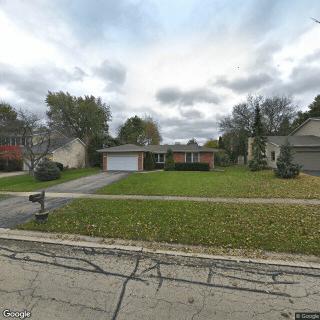
- The house is located in a beautiful neighborhood and feels like a home, not a facility.
- The caregivers are dedicated and well trained.
- Joanna is experienced, energetic, and caring, and runs a great house.
- The reviewers would give the facility a high rating.
Review
This community is best suited for families seeking a warm, home-like assisted living experience in Batavia where daily caregiver presence and a cheerful, clean environment take priority over institutionalit y. It works well for seniors who value personal attention, a neighborhood feel, and meals that feel more like home cooking than cafeteria dining. The resonance of the two available reviews centers on friendliness, cleanliness, and a sense that the house operates with a real-live caregiving focus rather than a distant, corporate cadence. In short, this is ideal for residents who want to be treated like neighbors in a comfortable, intimate setting.
Those who may want to consider alternatives are those seeking extensive medical oversight, robust memory care programs, or a larger campus with a wide array of amenities and scheduled, campus-wide activities. If a resident requires frequent skilled nursing interventions, intensive rehab, or highly structured programming, a bigger, more resource-rich community could be a better fit. Additionally, families prioritizing a breadth of social or recreational options, or a more formal, “facility-like” atmosphere, may find other options align more closely with those preferences. The limited number of published reviews means a broader data set would help confirm consistency across care delivery.
The strongest pro cluster here is undeniable: staff friendliness paired with a homey, clean, and cheery environment translates into tangible confidence for families. The caregivers are described as dedicated and well trained, producing an impression of reliable day-to-day care. The leadership under Joanna is highlighted as a standout factor, experienced, energetic, and clearly effective in running the house. The combination of warm staff interactions and a well-run, homelike setting helps residents stay comfortable and engaged, which can offset the absence of a more formal care model in larger communities.
A second pillar of strength is the lived experience of those with relatives there. Reported care quality is excellent, with two relatives described as healthy and happy under attentive supervision. This feeds a practical conclusion: when a home environment feels more like a personal residence than a facility, residents are less likely to experience the stress or disorientation that sometimes accompanies institutional settings. The neighborhood location reinforces a sense of normalcy and safety, enhancing daily routines and ease of visitation for families. Taken together, these elements create a compelling case for families prioritizing consistent, attentive caregiving in a non-clinical atmosphere.
Still, prudent decision-making acknowledges potential tradeoffs. The reviews do not outline a comprehensive menu of activities, therapy options, or specialized memory supports, and there is no explicit discussion of medical staffing depth or on-site nursing coverage. Given the intimate size, the range of services will inherently differ from larger houses with formal programming. Prospective residents should verify staffing ratios, on-site care capabilities, and the availability of medications administration, as well as daily activity calendars and meal variety. A visit to observe mealtime dynamics, caregiver interactions, and resident mood will reveal whether the reality aligns with the favorable impressions described by current families.
In final guidance, this Batavia homecare setting stands out for families who prize a caring, intimate, neighborly atmosphere delivered by a capable, energetic leadership team. It is a strong choice for residents who flourish with frequent personal attention, clean spaces, and meals that feel home-made. Alternatives should be strongly considered if the priority shifts toward expansive programming, more extensive medical or memory-care services, or a larger, more traditional campus experience. For a well-informed turn, families should arrange a firsthand visit, meet the caregiving team, review care plans, and assess how staff turnover is managed, ensuring the model aligns with long-term caregiving goals and budget.
 Board and Care Home
 Activities off-site
 Bath tubs
 Beautician on-site
 Indoor common areas
 Outdoor common areas
 Private
 Private bathrooms
 Respite or short term stays offered
 Wheelchair accessible showers
 Chicago O'Hare International (23 miles away)
 Diabetic care
 High acuity care
 Kosher

 Senior Move Management: Understanding the Role, Value, and Associated Costs
 Weight Training for Seniors: Building Strength and Vitality
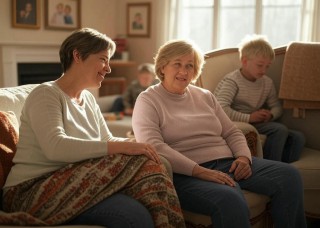 Understanding the Sandwich Generation: Stress and Responsibilities for Multigenerational Caregivers