


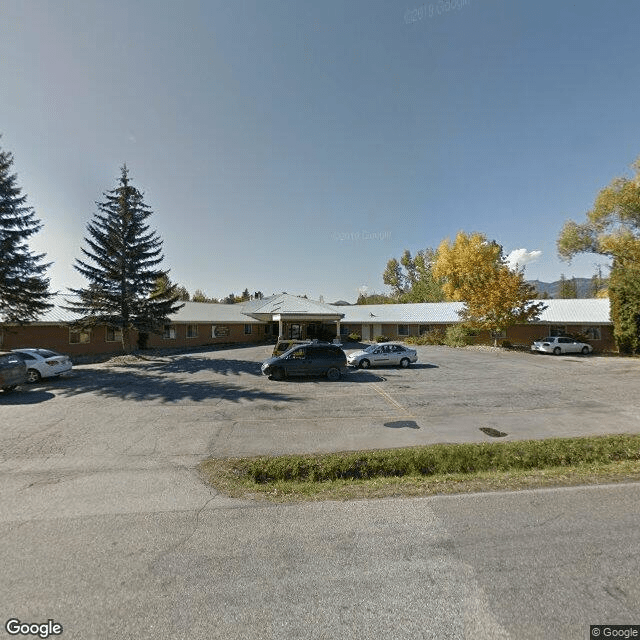
624 S Division Ave, Sandpoint, ID 83864
To contact a resident: (208) 265-2354
For more information about senior living options: (866) 208-4318
Lakeside Assisted Living - Sandpoint Costs & Pricing
Lakeside Assisted Living in Sandpoint offers competitive pricing for its services, with a monthly cost of $1,948 for a one-bedroom unit. This price is notably lower than the average costs in Bonner County, which stand at $2,353, and significantly less than the state average of $3,774 in Idaho. By choosing Lakeside Assisted Living, residents can enjoy quality care and comfortable accommodations while benefiting from a more affordable option compared to both county and statewide averages. This appealing pricing structure allows families to allocate their resources effectively without compromising on the level of care and support provided.
| Floor plans | Lakeside Assisted Living - Sandpoint | Bonner County | Idaho |
|---|---|---|---|
| 1 Bedroom | $1,948 | $2,353 | $3,774 |
Assisted Living communities with a similar price nearby
-
About the same
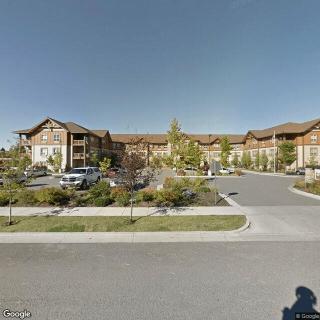
Luther Park at Sandpoint
$1,900 to $3,800 / month0.2 miles away
Overall Review of Lakeside Assisted Living - Sandpoint
Pros
 The staff really care about the residents and go out of their way to make everyone in there feel important and cared for.
- The 91-year-old father was in better shape and in better spirits after a few weeks.
- The grandma loves it there; the people treat her well and let her have her small dog.
- The staff are friendly and welcoming to guests.
Cons
 The reviewer thought they were walking into an insane asylum, describing the place as depressing, dark, old, broken-down, and trashed, with miserable-looking people and staff who didn’t look like staff.
- The reviewer would not want their family or themselves living there.
- The reviewer suspects the last two comments in the thread were posted by staff to get people to give the place a chance.
- The reviewer called it Not a good place and said they refuse to be part of its values, claiming they have none.
- The reviewer stated it is by far the worst assisted living facility in town and warned not to put even your most hated relatives there, calling it awful.
- The reviewer claimed the facility has switched names to avoid a paper trail of complaints, calling it the same trashy institution.
- The reviewer noted there is a definite smell at the facility.
Review
This community is best suited for families that prioritize frontline caregiving and daily human connection over polished aesthetics. It’s a fit for seniors who respond positively to attentive, hands-on staff who make residents feel seen and valued, and for households that value a dog-friendly environment where pets are welcome and participation in social life is encouraged. The strongest case for Lakeside revolves around the people: when caregivers are consistent, engaged, and kind, residents tend to show meaningful improvement in mood and daily functioning, even if the building itself leans toward older, less modern decor.
Those who may want to consider alternatives should note the signs of a mismatch: a facility that feels dated, with possible odor and upkeep concerns, and branding that has cycled between names. The repeated characterizations of the environment as depressing or poorly managed, along with observations that reflect inconsistent values or direction, point to a commitment level and leadership stability that can be risky for families seeking a predictable experience. For residents who crave a consistently modernized atmosphere, transparent governance, and a steady core philosophy, other options may offer greater peace of mind.
The most compelling pro here is genuine caregiver attentiveness. In at least one case, a resident arrived at Lakeside under challenging health conditions but soon displayed improved function and spirits, a testament to staff devotion and individualized attention. That kind of front-line impact can meaningfully offset the drawbacks of an older physical plant and uneven branding. For families weighing risk versus reward, this suggests Lakeside can deliver tangible quality of life gains when staff turnover is low and caregivers invest in relationship-building with residents and their families.
Another meaningful pro is the willingness of the community to accommodate family needs and preferences, including pet-friendly policies. When staff are described as friendly and welcoming to guests, and when residents feel personally valued, the overall day-to-day experience can be more engaging, social, and livable. For seniors who rely on social stimulation, companionship, and a sense of belonging, those relational aspects may be enough to counterbalance a few sensory drawbacks or organizational ambiguities.
However, the cons carry significant weight. The consensus about the environment’s ambiance, dark, old, and sometimes perceived as neglected, combined with occasional odors, can erode comfort for families prioritizing a bright, uplifting setting. Branding churn and references to management or values gaps raise concerns about consistency, transparency, and long-term stability. For families evaluating continuity of care, these factors can translate into worries about leadership direction, staff training consistency, and the likelihood of rapid policy shifts that affect daily routines.
In the end, Lakeside should be evaluated with a clear lens: is the priority daily kindness, personal engagement, and pet-friendly, socially active living, or is the priority consistently fresh surroundings, predictable governance, and an environment that feels newly renovated and uniformly well-maintained? For caregivers who can tour thoughtfully, speak candidly with frontline staff, and verify that care remains deeply personal over time, Lakeside can still be a viable choice. For those who cannot tolerate a drifting brand story, noticeable facility wear, or a sense that values are not tightly aligned with resident needs, alternatives deserve close consideration. A disciplined, in-person assessment, visits, conversations with direct care staff, and a frank review of how problem areas are addressed, will determine if Lakeside is the right match or if another option better serves the family’s practical priorities.
 Assisted Living
 Cats allowed
 Dogs allowed
 Activities on-site
 Devotional services off-site
 Indoor common areas
 Ambulatory care
 Diabetic care
 Meals provided



 Vibrant Senior Living: A Comprehensive Guide for Active Older Adults
 When to Transition from Assisted Living to Memory Care: Key Indicators, Steps, and Finding the Right Community
 Assisted Living and Memory Care: Understanding Their Core Differences