
624 South Division Avenue, Sandpoint, ID 83864
For more information about senior living options: (866) 208-4318
Overall Review of Evergreen Idaho Health Care Sandpoint
Pros
 The staff really care about the residents and go out of their way to make everyone feel important and cared for.
- After a few weeks, the father was in better shape and better spirits.
- Grandma loves it there.
- The staff treat Grandma well.
- Grandma is allowed to have her small dog.
- The staff are friendly toward guests.
Cons
 It is described as an insane asylum—depressing, dark, old, broken down, trashed, with staff who didn’t look like staff.
- It is suggested that no one would want their family or themselves living there.
- Some reviewers imply that staff posted comments to manipulate potential residents.
- A persistent smell is noted at the facility.
- It is labeled not a good place and said to lack values.
- It is called the worst assisted living facility in town, with a warning not to place even the most disliked relatives there; it’s described as awful.
- The facility is accused of switching names (Lakeside, Evergreen, Sandpoint, Lakeview) to avoid a paper trail of complaints, described as a trashy institution.
Review
Evergreen Idaho Health Care Sandpoint is best suited for seniors who need help with day-to-day tasks and who value attentive, resident-focused staff even when the surroundings are dated. The community can work for families that place a premium on personal warmth, reassurance that help is readily available, and a facility that allows small dogs, which can be meaningful for residents who want canine companionship. The environment itself is not the primary selling point; rather, the practical daily care and the people delivering it appear to be what keeps some residents engaged and feeling valued.
Those weighing alternatives should consider options with stronger distinctions between governance, branding, and facility upkeep. Several reviews point to instability in branding and signage, with references to name changes and a perception that inconsistent branding reflects broader governance concerns. A number of guests describe the campus as old, dark, and in need of updating, and there are frequent cautions about a lastingly unsettled impression. For families prioritizing a consistently modern campus, transparent leadership, and a stable resident community, other communities may offer a clearer alignment.
On the upside, the most consistent positives revolve around care staff who seem genuinely attentive to residents. Residents described as being treated with dignity and as people who matter, with staff going out of their way to acknowledge and support them. In at least one case, a resident reportedly had meaningful improvement after a lengthy stay, suggesting that engaged caregivers can make a meaningful difference in daily functioning and mood. The ability to have a small dog on the premises also matters for residents who view pet companionship as essential to well-being, contributing to a sense of normalcy and comfort amid routine care tasks.
The strongest red flags center on the overall atmosphere and perceived management reliability. Critics describe a bleak, depressing environment that feels run-down and uninviting, with reports of persistent odors and an impression that the facility did not present a welcoming or well-maintained image. A pattern in the reviews includes stark contrasts: some residents thrive under attentive staff, while others view the environment as fundamentally misaligned with their expectations for safety, dignity, and quality of life. Those concerns are amplified by anecdotes about branding churn and past references to over-medication at a different facility, which, even if not directly tied to Evergreen, undermine trust and raise questions about standards of oversight.
In balancing pros and cons, the key decision hinges on what matters most to the family. If daily care, staff warmth, and the emotional comfort of a familiar caregiver dynamic are decisive, this community can be a workable choice, especially for short- to mid-term stays or for residents who prioritize personal interaction and pet-friendly policies over pristine aesthetics. However, for families who require unwavering campus quality, a consistent governance narrative, and a facility that projects reliability through visible upkeep and branding stability, alternatives likely offer a safer alignment. The risk of persistent environmental drawbacks and governance ambiguity makes careful diligence essential.
Practical due diligence is advised before making a commitment. Tour the community with questions about staff-to-resident ratios, training, and how care plans are coordinated; request opportunities to speak with current residents and family members about their day-to-day experiences; verify licensing and complaint history through state records; inspect common areas for cleanliness, odors, and safety features; confirm pet policies and any associated restrictions; and probe the leadership’s stability and responsiveness to feedback. If the impression remains that care matters more than campus polish, Evergreen Idaho Health Care Sandpoint could be considered, but with a clear plan for monitoring quality and a defined exit strategy if the environment fails to meet evolving expectations.
 22 resident community capacity
 Assisted Living
 Board and Care Home
 Beauty salon
 Cable or satellite TV
 Dining room
 Fully furnished
 Garden
 Housekeeping services
 Kitchenette
 Move-in coordination
 Outdoor space
 Telephone
 Wi-Fi/high-speed internet available
 24-hour call system
 Activities of daily living assistance
 Assistance with bathing
 Assistance with dressing
 Assistance with transfers
 Diabetes diet
 Meal preparation and service
 Medication management
 Mental wellness program
 Special dietary restrictions
 Transportation arrangement (medical)
 Transportation to doctors appointments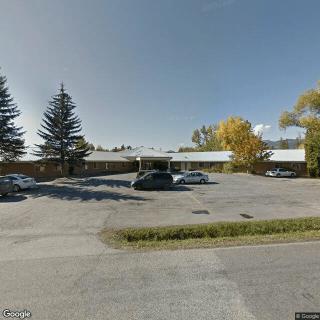


 Social Security Benefits and Assisted Living: Navigating Options Across the U.S.
 An Extensive Exploration of the VA Aid and Attendance Benefit
 Senior Transition Services: Understanding Their Role, Cost, and Importance