The Bridge At Post Falls

Save

  • Interior

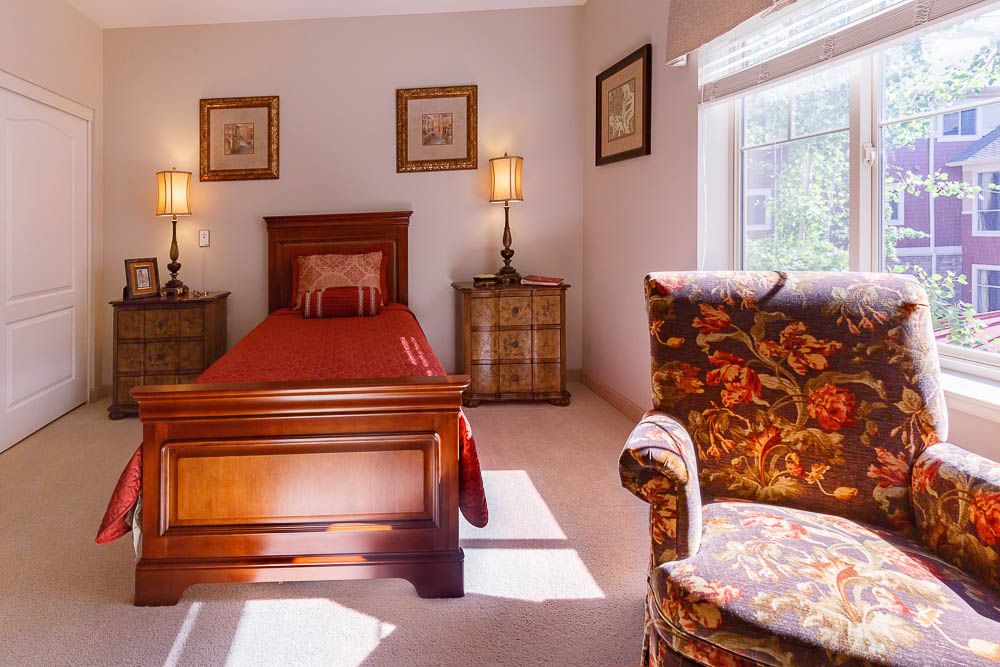
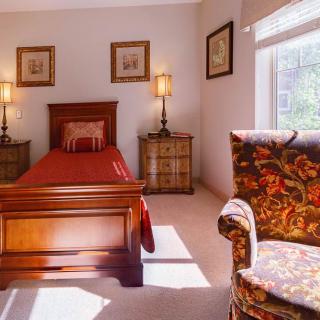
    A traditional-style bedroom featuring a single wooden bed, two lamps, and a floral armchair bathed in natural light from the window.
  • Outdoors

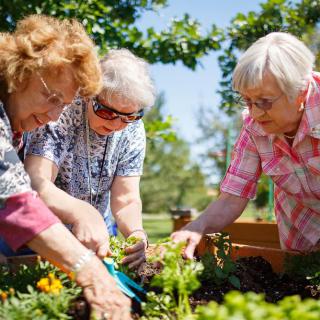
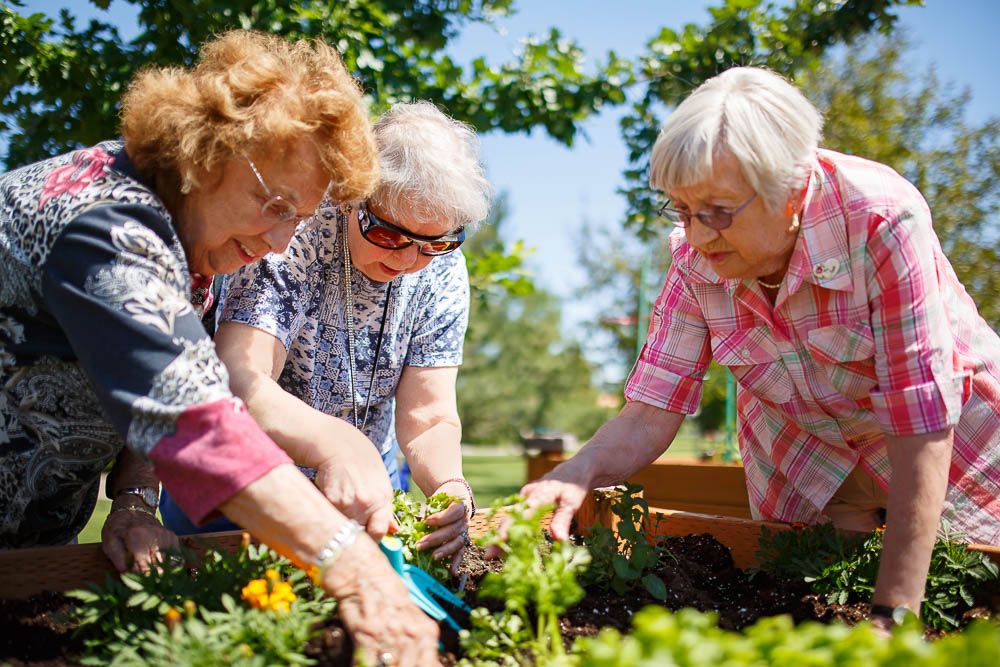
    Three seniors enjoying gardening outdoors together.
  • Decor

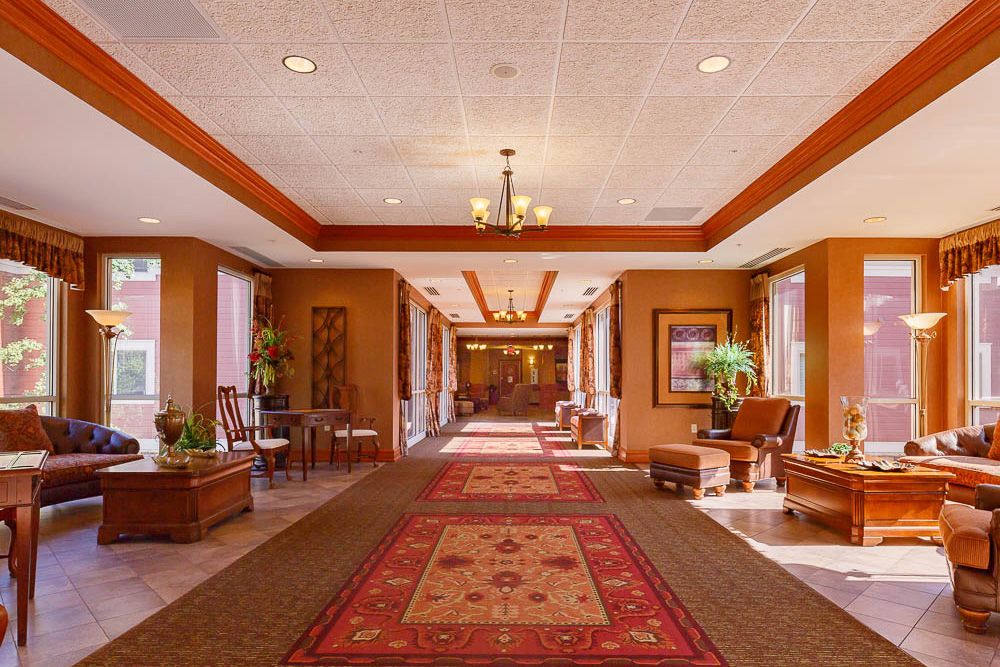
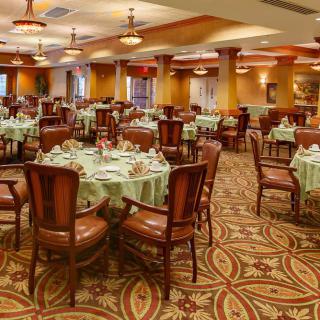
    A spacious hotel lobby with a red carpet, elegant chandelier, and cozy seating area.
  • Building

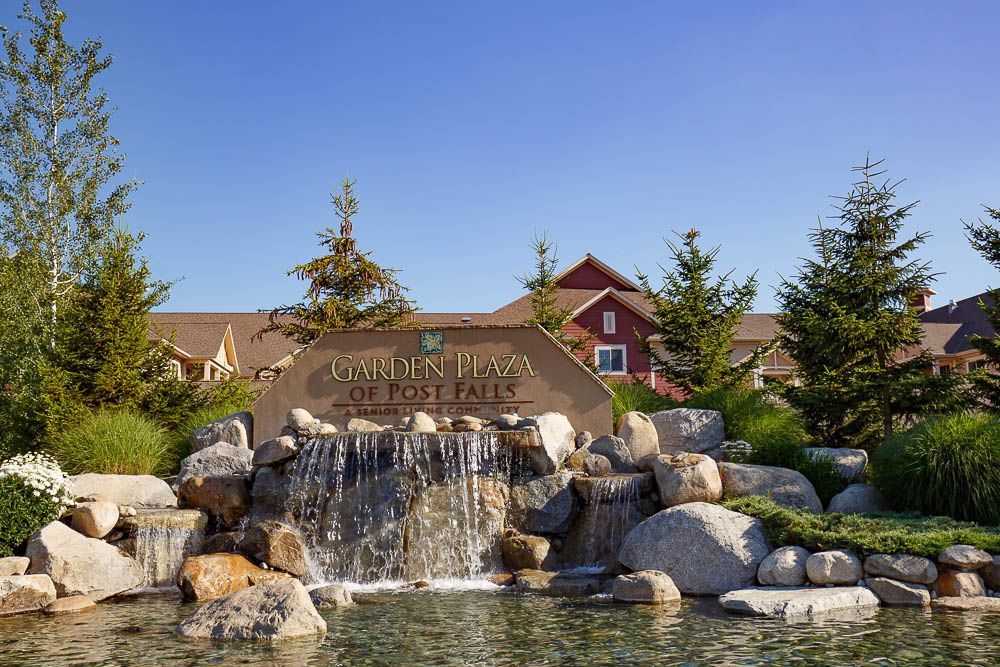
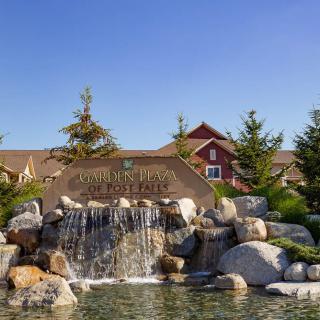
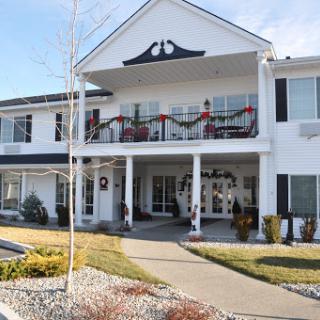
    A beautiful resort entrance featuring a waterfall cascading over rocks into a pond, surrounded by trees and a scenic landscape.
  • Architecture

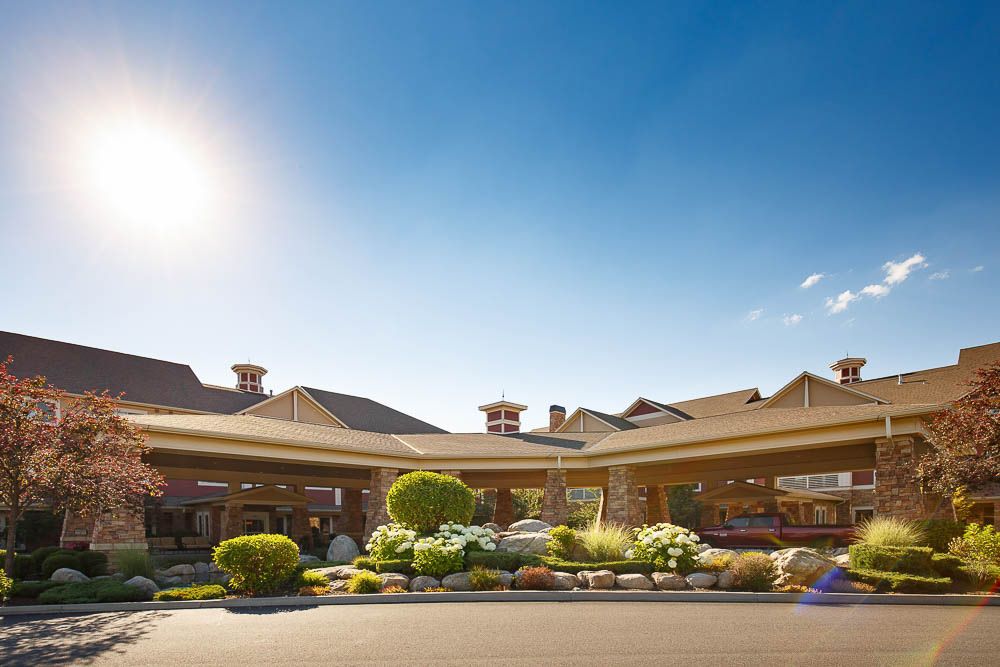
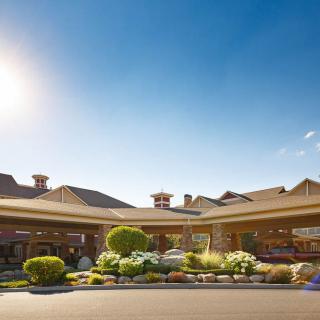
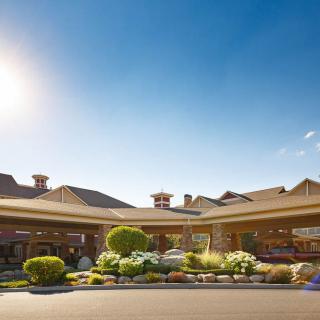
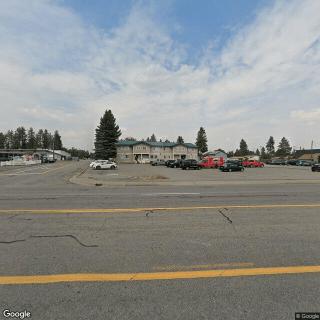
    Front view of a well-maintained building with landscaped gardens under a sunny sky.
  • Trees

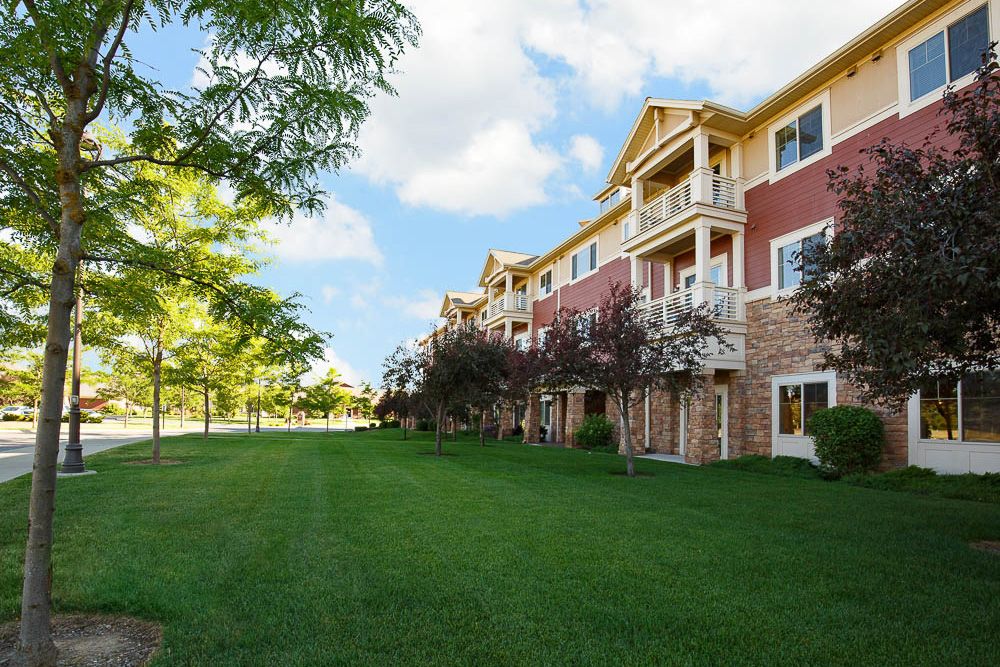
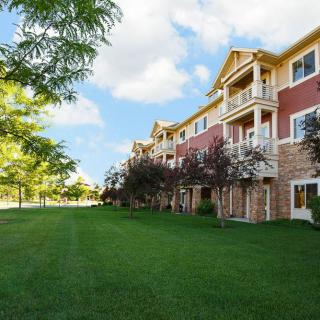
    A residential apartment building with balconies faces a well-maintained lawn and trees under a partly cloudy sky.
  • Windows

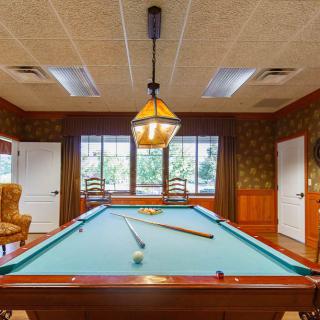
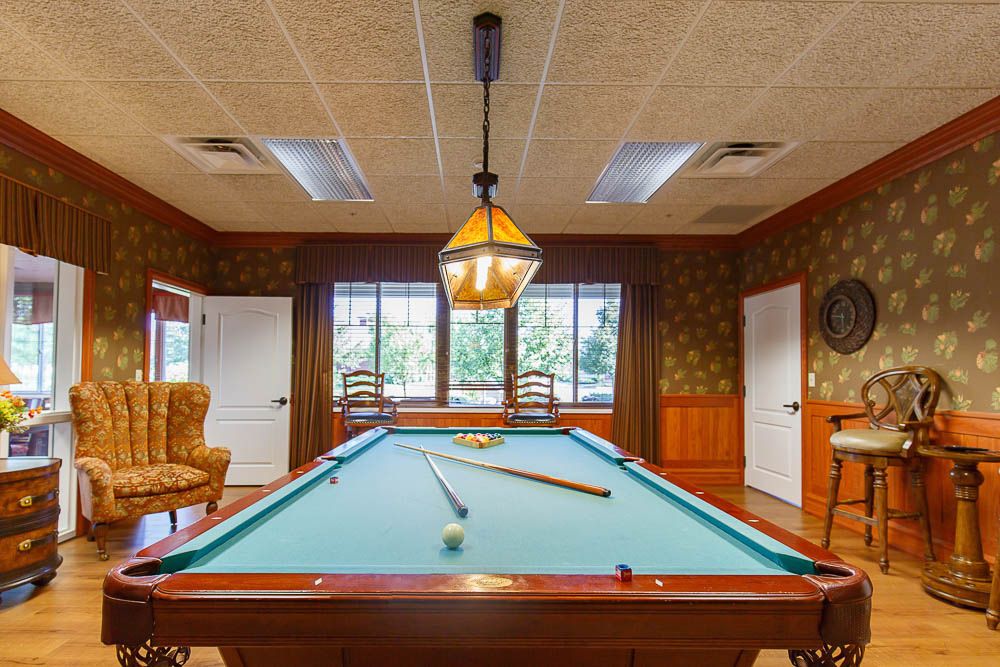
    A cozy billiard room with a pool table and stylish interior design, featuring a hanging light and wood paneled walls.
  • Dining

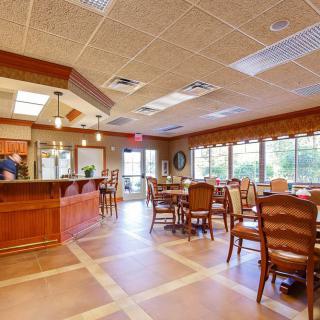
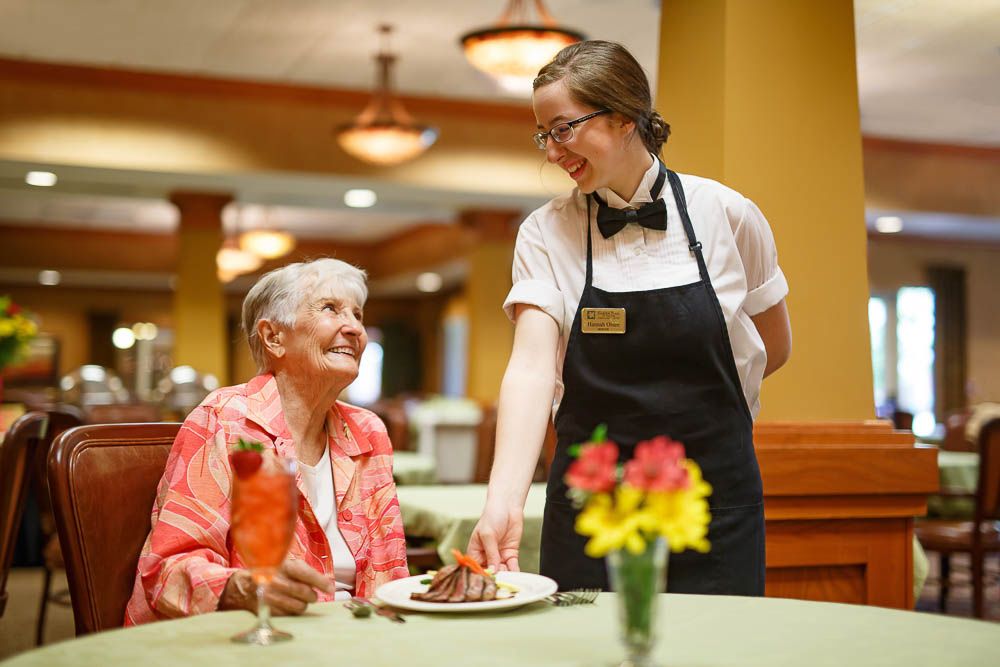
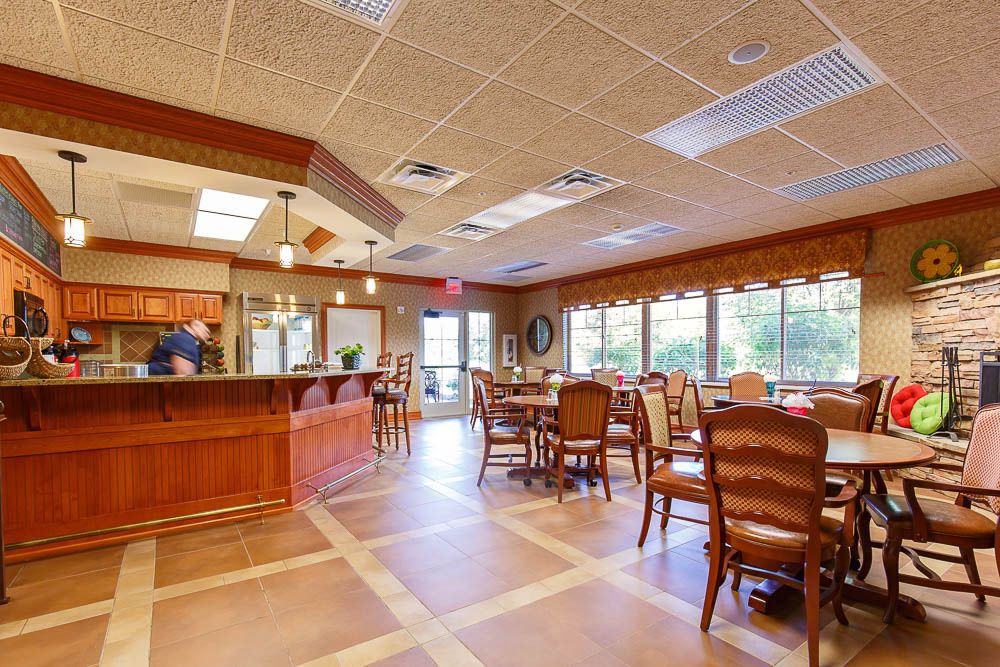
    A welcoming dining area with wooden tables and chairs, filled with natural light from large windows.
  • Outdoor

    An elderly woman painting outdoors, showcasing her artistic creativity.
  • Indoor Pool

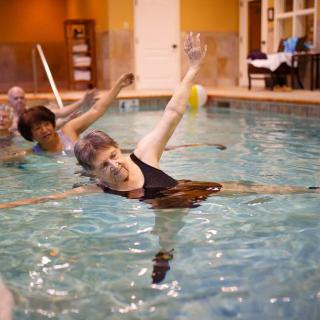
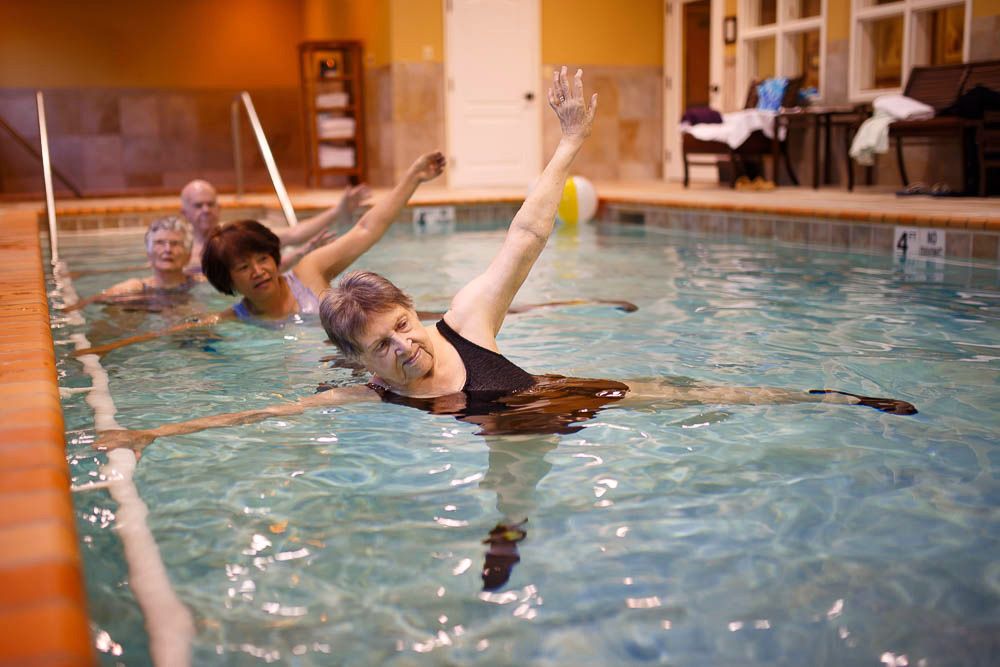
    A group of seniors participating in a water aerobics class at an indoor pool.

The Bridge At Post Falls

Information last verified:

515 North Garden Plaza Court, Post Falls, ID 83854

For more information about senior living options: (844) 490-3973

4 from 46 reviews
5 stars
30
4 stars
4
3 stars
3
2 stars
1
1 stars
8

Overall Review of The Bridge At Post Falls

Pros

  • pro Garden Plaza is a wonderful place to be.
  • pro The front desk and the second-floor medical staff are top notch.
  • pro Residents view Garden Plaza as their home.
  • pro Garden Plaza features nice landscaping and an attractive campus.
  • pro The meals and dining are outstanding, with five-star dining and well-balanced menus.
  • pro The staff are friendly, professional, helpful, and upbeat.
  • pro The facility has a resort-like decor and a first-class feel.
  • pro Transportation is fantastic and staff know residents by name.

Cons

  • pro The food is terrible, and management does nothing to address it.
  • pro Forty percent of the food is wasted.
  • pro Cooks cannot read directions to prepare simple dressings.
  • pro Garden Plaza is not capable of providing assisted living care and is an unreliable elderly care facility.
  • pro The sales staff are not upfront about costs and amenities.
  • pro Garden Plaza can no longer provide the wheelchair assistance required by residents.
  • pro The face shots at the front desk create an atmosphere of distrust.
  • pro The management staff are incompetent.

Review

The Bridge at Post Falls is best suited for active seniors who want a lively, resort-like campus where independence is fostered but support is close at hand. It shines for those seeking a strong social fabric: robust activities, convenient shuttle transportation, and staff who know residents by name. The setting on Garden Plaza grounds, with fountain views and well-kept common spaces, creates a homey, safe vibe that appeals to families who value community, predictable routines, and the reassurance of on-site medical oversight. It is especially compelling for residents who want to stay engaged, concerts, yoga and tai chi, guest events, and for those who appreciate a pet-friendly, neighborly atmosphere. In short, this is a place that feels like a genuine community, not a sterile institution, where residents often describe feeling at home quickly and staying connected to a broader network of family and guests.

Who may want to consider alternatives is real and worth weighing carefully. Price sensitivity is a recurring theme in family discussions, with frequent rent increases and rising fees that outpace service improvements. For households needing consistently dependable meals and uniformly attentive care every day, the variability in dining quality and occasional gaps in responsiveness can become a tipping point. Several reviews flag management turnover and uneven follow-through, suggesting that clear, written commitments and steady governance are not guaranteed month to month. If cost transparency, predictable service, and rigorous care standards are non-negotiable, or if a resident requires highly coordinated medical oversight or specialized memory care, exploring other communities with firmer governance and clearer pricing may be prudent. A careful buyer should scrutinize the admissions process for clarity and value.

On the plus side, several core strengths consistently rise above the chatter. The Bridge benefits from a front desk presence and second-floor medical staff described as top-notch and genuinely caring. Residents frequently praise the facility’s aesthetics, the campus feels clean, inviting, and thoughtfully designed, with spacious living options that often include one-bedroom apartments with pleasant views. The dining program leads with strong moments: when meals hit their mark, the kitchen earns enthusiastic praise, and many residents enjoy chef-driven options. The breadth of activities is a standout, from arts to fitness to live entertainment, underpinned by reliable transportation that preserves independence. The community’s external engagement, partnerships, Kiwanis events, and campus-wide gatherings, helps keep social capital high. Taken together, these elements create a consistent sense of belonging that borders on a lifestyle.

Yet the cons are not negligible, and some carry real weight. Governance and staffing churn surface repeatedly in feedback, feeding concerns about continuity of care and reliability. Price increases paired with perceived reductions in service can erode trust, especially when families must navigate changes in what is included and what costs extra. Food service and meal timing can be inconsistent, and some residents report meals arriving late or cold on the assisted living side, underscoring the fragility of day-to-day operations when staff levels dip. Front desk experiences are not uniformly warm, and some families describe communication as transactional rather than collaborative. There are troubling anecdotes about misrepresentation during the sales process and about situations where medical or mobility needs did not receive timely support, raising the stakes for families who depend on predictable responsiveness.

Despite these challenges, there is a clear path for offsetting the drawbacks through proactive engagement and selective expectations. For families who prize a warm, community-first environment, the personal touch of staff and the sense of belonging can dwarf occasional service gaps. The Bridge’s strength lies in its people, the caregivers and program coordinators who know residents by name, respond with warmth, and mobilize activities that keep people engaged and connected to family life. Transportation, on-site events, and private dining spaces for gatherings offer tangible value that sustains satisfaction even when meals or administrative processes falter. To mitigate risk, insist on written price quotes and a detailed breakdown of what is included; demand a documented care plan and a clear point of contact for ongoing concerns; and verify transportation arrangements for medical appointments. If governance stabilizes, the overall experience can remain distinctly rewarding.

The bottom line is that The Bridge at Post Falls represents a strong fit for families who want a lively, neighborly campus with genuine staff engagement and a built-in social life, and who are prepared to monitor costs and care closely. It delivers a sense of safety, belonging, and daily purpose that many residents come to rely on, all within a setting that feels like a true community rather than a clinical environment. For those prioritizing cost predictability, fully consistent daily meals, and flawless execution of care plans, alternatives deserve serious consideration. Before moving, secure a binding price quote, confirm exactly what is included, and clarify transportation coverage for medical appointments. Schedule visits at different times to observe meal service and staffing during peak hours, talk with current residents in both wings, and request a dedicated contact for care planning. With diligence, this campus can deliver a high-quality lifestyle, anchored by a supportive, familiar environment that genuinely feels like home.

Features

Housing

  • 105 resident community capacity 105 resident community capacity

Types of Care

  • Assisted Living Assisted LivingAssisted living facilities provide crucial support and care for seniors who may need help with daily tasks such as medication management, bathing, and meal preparation. These communities offer a safe and comfortable environment where seniors can maintain their independence while receiving the assistance they need to thrive in their golden years.
  • Independent Living Independent LivingIndependent living communities are important for seniors because they offer a safe and supportive environment where older adults can live independently while still having access to amenities and services that enhance their quality of life. These communities provide social opportunities, recreational activities, and assistance with daily tasks, promoting overall well-being and allowing seniors to maintain their independence for as long as possible.

Amenities

  • Activities on-site Activities on-siteActivities on-site are important for seniors because they provide opportunities for socialization, mental stimulation, physical activity, and overall well-being. Engaging in activities can help seniors stay active, maintain their independence, and improve their quality of life.
  • Air-conditioning Air-conditioningAir conditioning is important for seniors as they are more vulnerable to heat-related illnesses and may have underlying health conditions that make it difficult for them to regulate their body temperature. It helps to keep them comfortable, safe, and healthy in hot weather.
  • Beauty salon Beauty salonBeauty salons are important for seniors because they provide a space for them to feel pampered, socialize, and maintain their personal grooming and hygiene. Regular visits to a beauty salon can help boost seniors' self-esteem and overall well-being.
  • Cable or satellite TV Cable or satellite TVCable or satellite TV is important for seniors because it provides entertainment, news, and companionship, helping to combat loneliness and boredom. It also offers a wide range of programming options tailored to different interests and preferences.
  • Computer center Computer centerA computer center is essential for seniors as it provides access to technology, communication tools, and resources that can enhance their daily lives. It allows them to stay connected with loved ones, engage in online activities, and learn new skills, ultimately promoting socialization and mental stimulation.
  • Devotional services off-site Devotional services off-siteDevotional services off-site are important for seniors as they provide spiritual nourishment, social engagement, and a sense of community outside of the senior living facility. This can enhance overall well-being and help combat feelings of isolation and loneliness often experienced by older adults.
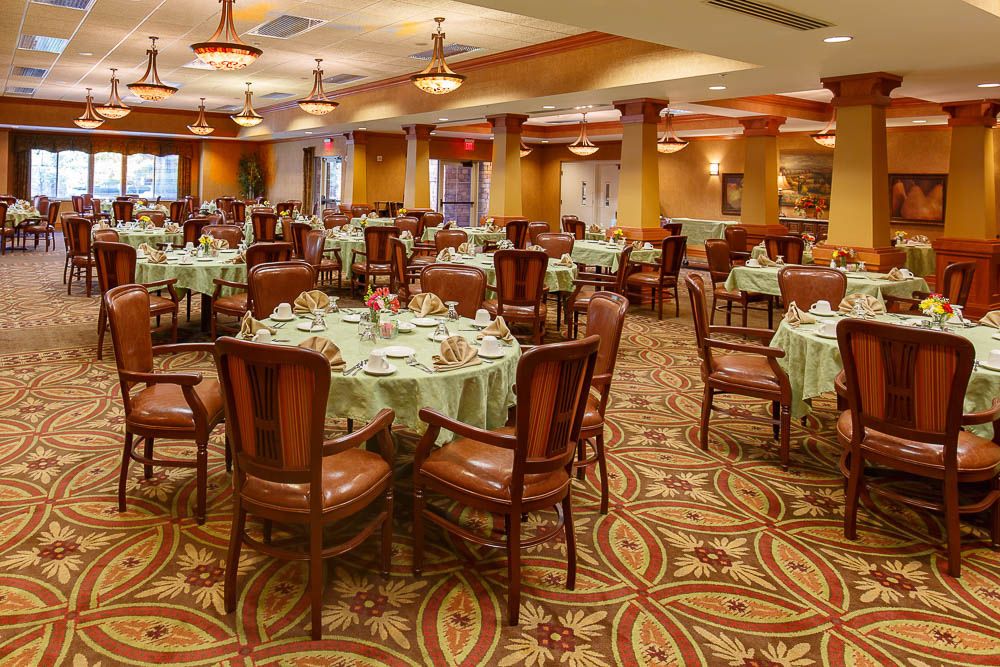
  • Dining room Dining roomDining rooms are important for seniors as they provide a space for socialization, connection, and nutritious meals. They offer opportunities for residents to bond over shared meals, foster a sense of community, and promote healthy eating habits. Dining rooms also ensure that seniors have access to well-balanced meals tailored to their dietary needs and preferences.
  • Fitness room Fitness roomHaving a fitness room in a senior living community is essential for seniors to stay active, maintain their physical health, and improve their overall well-being. Regular exercise can help prevent falls, reduce the risk of chronic diseases, and promote mental sharpness. It also provides social opportunities for residents to connect with others and enjoy a sense of community.
  • Fully furnished Fully furnishedFully furnished senior living communities are important for seniors because they provide convenience, comfort, and a hassle-free moving experience. Seniors can easily settle into their new living space without the stress of having to buy and move furniture. This allows them to focus on enjoying their new home and community.
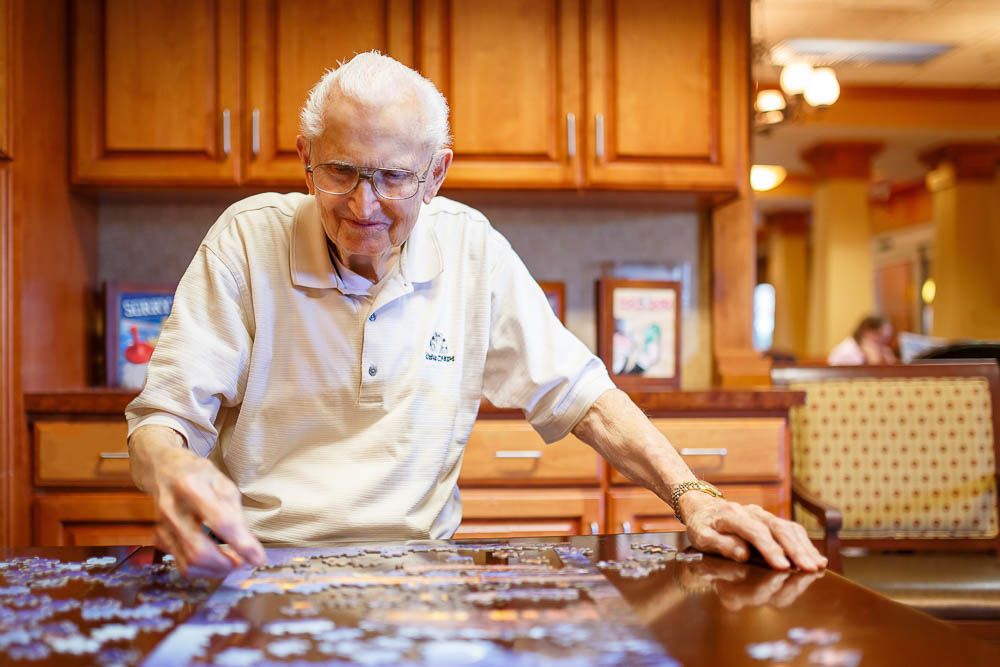
  • Gaming room Gaming roomGaming rooms are important for seniors as they provide a fun and engaging environment for socializing, cognitive stimulation, and physical activity. Games can improve memory, problem-solving skills, and overall mental well-being while fostering friendships and reducing feelings of isolation.
  • Garden GardenGardens are important for seniors as they provide a peaceful and therapeutic environment for relaxation, physical activity, and socialization. Being in nature has been shown to reduce stress, improve mood, and promote overall well-being. Gardens also offer opportunities for seniors to engage in gardening activities, which can improve mobility, flexibility, and cognitive function. Additionally, gardens create a sense of community and connection with others who share a passion for plants and outdoor spaces.
  • Housekeeping services Housekeeping servicesHousekeeping services are important for seniors because they help maintain a clean and safe living environment, promote independence, and reduce the risk of accidents or illnesses. Additionally, having assistance with household chores can alleviate physical strain and allow seniors to focus on other aspects of their well-being.
  • Indoor common areas Indoor common areasIndoor common areas are crucial for seniors as they provide a space for socialization, recreation, and community engagement, promoting overall well-being and reducing feelings of isolation and loneliness.
  • Kitchenette KitchenetteKitchenettes are important for seniors living in senior living communities because they provide the convenience and independence of being able to prepare simple meals and snacks in the comfort of their own living space. This can help promote a sense of autonomy and well-being for seniors, allowing them to maintain some level of control over their dietary choices and daily routines.
  • Move-in coordination Move-in coordinationMove-in coordination is important for seniors because it helps ease the transition into their new living environment. It ensures that all logistics, such as packing, organizing movers, and setting up utilities are taken care of, allowing seniors to focus on settling in and adjusting to their new home. Having a smooth move-in process can alleviate stress and anxiety, making the transition smoother and more enjoyable for seniors.
  • Outdoor space Outdoor spaceOutdoor spaces are important for seniors as they provide opportunities for physical activity, social interaction, exposure to natural light and fresh air, and a sense of connection to nature. Having access to outdoor spaces can improve overall well-being and quality of life for older adults living in senior communities.
  • Private bathrooms Private bathroomsPrivate bathrooms are important for seniors in senior living communities because they provide independence, dignity, and comfort. Having a private bathroom allows seniors to maintain their personal hygiene routines without the need for assistance, promoting a sense of autonomy and privacy. Additionally, private bathrooms help prevent the spread of infections and provide a safe and clean environment for seniors to navigate safely.
  • Restaurant-style dining Restaurant-style diningRestaurant-style dining is important for seniors because it allows them to enjoy delicious, nutritious meals in a social and upscale setting. This enhances their dining experience, promotes healthy eating habits, and fosters socialization with fellow residents, ultimately contributing to their overall well-being and quality of life.
  • Small library Small librarySmall libraries are important for seniors as they provide access to a variety of reading materials, including books, newspapers, and magazines. This can help stimulate their minds, keep them engaged, and provide a sense of community through book clubs and other social activities. Additionally, reading has been shown to improve cognitive function and overall mental well-being in older adults.
  • Telephone TelephoneTelephones are important for seniors as they provide a lifeline for communication with loved ones, emergency services, and healthcare providers. They offer a sense of security and independence, enabling seniors to stay connected and access assistance when needed.
  • Wellness center Wellness centerWellness centers are important for seniors because they offer a variety of programs and services that promote physical, mental, and emotional well-being. These centers provide opportunities for exercise, socialization, education, and relaxation, helping seniors maintain their overall health and quality of life.
  • Wi-Fi/high-speed internet available Wi-Fi/high-speed internet availableWi-Fi/high-speed internet is important for seniors to stay connected with loved ones, access online resources, and participate in virtual activities to combat feelings of loneliness and isolation. It also allows them to easily manage healthcare needs, access entertainment, and engage in lifelong learning opportunities.

Transportation

  • Community operated transportation Community operated transportationCommunity operated transportation is crucial for seniors as it provides them with the means to access essential services, social activities, and medical appointments. It allows seniors to maintain their independence and quality of life by ensuring they can participate in activities outside of their homes. Additionally, community-operated transportation services offer a safe and reliable way for seniors to travel without having to rely on family or friends for assistance.
  • Transportation arrangement Transportation arrangementTransportation arrangements are crucial for seniors as they may face challenges with driving, mobility, or access to public transportation. Having reliable transportation services ensures that seniors can easily attend appointments, social activities, and maintain their independence and quality of life.
  • Transportation arrangement (non-medical) Transportation arrangement (non-medical)Transportation arrangements are essential for seniors as they provide access to essential services, activities, and social interactions outside the home. This service helps maintain independence, mobility, and overall well-being for seniors who may have limited transportation options.
  • Transportation to doctors appointments Transportation to doctors appointmentsTransportation to doctors appointments is crucial for seniors as it ensures they have access to necessary medical care and support, promoting their health and well-being. It allows them to receive timely treatment, monitor existing conditions, and address any new health concerns efficiently. Additionally, transportation services can help seniors maintain their independence and quality of life by enabling them to stay connected with their healthcare providers.

Care Services

  • 12-16 hour nursing 12-16 hour nursing12-16 hour nursing care is crucial for seniors in order to ensure around-the-clock monitoring, timely medication administration, and prompt response to any health concerns or emergencies. This level of care helps to promote the overall well-being and safety of seniors living in senior living communities.
  • 24-hour call system 24-hour call system24-hour call systems are important for seniors because they provide peace of mind and immediate assistance in case of emergencies. This technology ensures that help is always available, promoting safety and security for elderly individuals living alone or in assisted living facilities.
  • 24-hour supervision 24-hour supervision24-hour supervision is important for seniors to ensure their safety, well-being, and access to immediate assistance in case of emergencies or health issues. This constant support provides peace of mind for both seniors and their loved ones, allowing them to age in place with dignity and security.
  • Activities of daily living assistance Activities of daily living assistanceActivities of daily living assistance are important for seniors because they provide essential support with tasks such as eating, bathing, dressing, and mobility. This assistance helps seniors maintain their independence, dignity, and overall quality of life as they age.
  • Ambulatory care Ambulatory care"Ambulatory care services provide essential medical support and treatment to seniors without requiring hospitalization, allowing them to maintain their independence and quality of life while managing chronic conditions or receiving routine medical care."
  • Assistance with bathing Assistance with bathingAssistance with bathing is crucial for seniors as it helps maintain personal hygiene, prevents infections, and ensures their overall well-being and comfort. It also provides a sense of dignity and independence for seniors who may struggle with this task on their own.
  • Assistance with dressing Assistance with dressingAssistance with dressing is important for seniors because it helps maintain their independence, promotes personal hygiene, prevents accidents and injuries, and improves overall quality of life. This service ensures that seniors can continue to dress comfortably and confidently, despite any physical limitations they may have.
  • Assistance with transfers Assistance with transfersAssistance with transfers is crucial for seniors as it helps prevent falls and injuries, maintains their independence, and ensures they can safely navigate their living environment. It also provides peace of mind for both seniors and their loved ones.
  • Diabetes diet Diabetes dietA diabetes diet is crucial for seniors as it helps manage blood sugar levels, reduce risks of complications, and improve overall health and well-being. By following a balanced and nutritious diet tailored to their specific needs, seniors can better control their diabetes and enhance their quality of life.
  • Diabetic care Diabetic careDiabetic care is crucial for seniors as they are more susceptible to developing diabetes due to aging and other health conditions. Proper management of diabetes can help prevent complications such as heart disease, vision loss, and nerve damage, improving the overall quality of life for seniors in senior living communities.
  • Meal preparation and service Meal preparation and serviceMeal preparation and service are crucial for seniors as they may have limited mobility or energy to cook nutritious meals. Having access to healthy and convenient food options can ensure they are getting the proper nutrition needed to maintain their overall health and well-being.
  • Medication management Medication managementMedication management is crucial for seniors to ensure they are taking the right medications at the correct dosages and times. This helps prevent adverse drug interactions, reduces the risk of medication errors, and promotes overall health and well-being. Proactive management also allows for adjustments as needed based on changing health conditions or new prescriptions.
  • Mental wellness program Mental wellness programMental wellness programs are essential for seniors as they promote cognitive stimulation, emotional support, and social engagement. These programs help prevent isolation, depression, and cognitive decline, ultimately enhancing the overall quality of life for older adults.
  • Special dietary restrictions Special dietary restrictionsSpecial dietary restrictions are important for seniors because age-related changes in metabolism and health conditions can make it difficult for their bodies to process certain foods. By following a diet tailored to their specific needs, seniors can maintain their overall health and well-being, manage chronic conditions, and reduce the risk of complications such as malnutrition or food interactions with medications.

Dining

  • Diabetes diet Diabetes dietA diabetes diet is crucial for seniors as it helps manage blood sugar levels, reduce risks of complications, and improve overall health and well-being. By following a balanced and nutritious diet tailored to their specific needs, seniors can better control their diabetes and enhance their quality of life.
  • Meals provided Meals provided"Meals provided" are crucial for seniors in assisted living communities as it ensures they have access to nutritious, balanced meals without the stress of meal planning and preparation. This can help promote overall health and well-being for seniors who may have limited mobility or cognitive abilities.
  • Special dietary restrictions Special dietary restrictionsSpecial dietary restrictions are important for seniors because age-related changes in metabolism and health conditions can make it difficult for their bodies to process certain foods. By following a diet tailored to their specific needs, seniors can maintain their overall health and well-being, manage chronic conditions, and reduce the risk of complications such as malnutrition or food interactions with medications.

Activities

  • Activities on-site Activities on-siteActivities on-site are important for seniors because they provide opportunities for socialization, mental stimulation, physical activity, and overall well-being. Engaging in activities can help seniors stay active, maintain their independence, and improve their quality of life.
  • Community-sponsored activities Community-sponsored activitiesCommunity-sponsored activities are important for seniors as they provide opportunities for social interaction, mental stimulation, and physical activity. These activities can help improve overall well-being, combat loneliness and isolation, and promote a sense of belonging and purpose among older adults.
  • Concierge services Concierge servicesConcierge services are essential for seniors as they provide assistance with daily tasks and errands, enhance their quality of life by offering convenience and personalized care, and promote a sense of safety and security.
  • Devotional activities offsite Devotional activities offsiteDevotional activities offsite are important for seniors because they provide social engagement, spiritual growth, and a sense of community outside of their living environment. This can improve overall well-being, mental health, and combat feelings of isolation or loneliness.
  • Fitness programs Fitness programsFitness programs are crucial for seniors as they help improve strength, flexibility, balance, and overall well-being. Staying active can reduce the risk of chronic diseases, improve mental health, and enhance quality of life in older adults.
  • Planned day trips Planned day tripsPlanned day trips are important for seniors because they offer opportunities for socialization, mental stimulation, and physical activity. They provide a change of scenery and help seniors stay engaged and connected to their community, promoting overall well-being and quality of life.
  • Resident-run activities Resident-run activitiesResident-run activities are important for seniors as they encourage social interaction, creativity, and a sense of autonomy. These activities empower seniors to stay engaged and active in their community while fostering meaningful connections with their peers.
  • Scheduled daily activities Scheduled daily activitiesScheduled daily activities are important for seniors because they provide structure, socialization, mental stimulation, and physical activity. Engaging in regular activities can improve overall well-being and quality of life for seniors living in a community setting.

Description

The Bridge At Post Falls is an assisted living community located in Post Falls, ID. Our community offers a wide range of amenities and care services to ensure the comfort and well-being of our residents.

In terms of amenities, we provide air-conditioned apartments that are fully furnished for convenience. Residents can enjoy various on-site facilities such as a beauty salon, gaming room, fitness room, and small library. There is also a dining room where restaurant-style meals are served, accommodating special dietary restrictions. Our community offers Wi-Fi/high-speed internet access and has a computer center for those who wish to stay connected.

To meet the varied needs of our residents, we provide 24-hour call system and supervision to ensure their safety and assistance with activities of daily living. We offer ambulatory care as well as assistance with bathing, dressing, transfers, and medication management. We have a mental wellness program in place to support the emotional well-being of our residents.

Transportation arrangements are available for non-medical purposes as well as transportation to doctors' appointments. Our community operates its own transportation services for the convenience of our residents. Move-in coordination is also provided to assist new residents in settling comfortably into their new homes.

The Bridge At Post Falls is conveniently located near cafes, parks, pharmacies, physicians' offices, restaurants, and places of worship. This allows easy access to essential services and opportunities for socialization within the nearby community.

In addition to all these amenities and services, we also offer a range of activities organized by both the community and residents themselves. Community-sponsored activities such as fitness programs, planned day trips, devotional activities off-site are available for everyone's enjoyment. Concierge services are also provided for additional support.

At The Bridge At Post Falls, we strive to create an environment that promotes independence while ensuring the safety and happiness of our residents. With our comprehensive care services and wide range of amenities, it is truly a place where residents can thrive and enjoy their retirement years.

Nearby Places of Interest

Restaurants

  • Burger King (0.2 miles)
  • Wendy's (0.8 miles)
  • Capone's Pub & Grill (0.8 miles)
  • White House Grill (1.7 miles)
  • The Sawmill Grille (1.7 miles)
  • Selkirk Abbey Brewing Company (2.2 miles)
  • McDonald's (4.1 miles)

Pharmacies

  • Walmart Pharmacy (0.2 miles)
  • Yoke's Fresh Markets (0.7 miles)
  • Well Life Pharmacy (0.7 miles)
  • Tidyman's (0.7 miles)
  • Glaxosmithkline (1 miles)
  • Medicine Man Southwest Pharmacy (1.2 miles)
  • Medicine Man West Pharmacy (1.3 miles)

Physicians

  • Summit Cancer Center (0.5 miles)
  • Northwest Surgical Associates (0.6 miles)
  • Minimally Invasive Surgery (0.6 miles)
  • Inland Cardiology Associates (0.6 miles)
  • Northwest Occupational Medicine (0.6 miles)
  • Northwest Integrated Sports Medicine and Orthopedics (0.7 miles)
  • Northwest Family Medicine (0.7 miles)

Cafes

  • Starbucks (0.8 miles)
  • Thomas Hammer Coffee (0.8 miles)
  • Awaken Coffee (3.9 miles)
  • Chomper Cafe (4.8 miles)
  • Dutch Bros Coffee (5.4 miles)

Parks

  • Black Bay Park (0.9 miles)
  • The Falls Park (1.9 miles)
  • Corbin Park (3.7 miles)
  • Atlas Waterfront Park (4.4 miles)

Places of Worship

  • North Country Chapel (3.1 miles)
  • Mj Guindon Ministry Rathdrum (4.6 miles)

Hospitals

  • Emergency Room, Kootenai Medical Center (5.6 miles)
  • Kootenai Health (5.6 miles)

Frequently Asked Questions

Where is The Bridge At Post Falls?
What photos are available for The Bridge At Post Falls in Post Falls, Idaho?

Nearby Communities

  • Garden Plaza Of Post Falls

    Garden Plaza Of Post Falls

    Post Falls, ID

    4.1 from 68 reviews
     

    pro Friendly, welcoming community with a beautiful inner courtyard, good dining, and diverse activities.


  • Life Care Center Of Post Falls

    Life Care Center Of Post Falls

    Post Falls, ID

    4.7 from 93 reviews
     

    pro Caring staff in a clean, activity-rich environment.

  • Guardian Angel Homes

    Guardian Angel Homes

    Post Falls, ID

    4.5 from 20 reviews
    $1,000 to $2,900 / month

    pro Attentive staff, clean facility, engaging activities, and a warm, home-like environment.

  • The Village at Syringa Gardens

    The Village at Syringa Gardens

    Post Falls, ID

    2.8 from 5 reviews
    $6,000 / month

    pro Premium, all-inclusive care with meals and medication management in a convenient location.

  • Haven Acres Residential Care

    Haven Acres Residential Care

    Post Falls, ID

    4 from 1 review
     

    pro Proximity to nearby cafes, parks, healthcare and dining in a peaceful setting.

  • AAging Better In-Home Care

    AAging Better In-Home Care

    Post Falls, ID

    3 from 1 review
     

    pro Friendly, cooperative staff and exceptional nurses; overall positive care experience.

  • Leisure Park

    Leisure Park

    Hayden Lake, ID

    4 from 10 reviews
     

    pro Excellent proximity to parks, dining, pharmacies, physicians, and transportation.

  • Rose Terrace Cottages

    Rose Terrace Cottages

    Coeur D'alene, ID

    3.8 from 16 reviews
    $2,500 to $2,900 / month

    pro Caring, supportive staff and a warm, positive atmosphere.

  • Guardian Angel Homes

    Guardian Angel Homes

    Liberty Lake, WA

    4.1 from 15 reviews
    $1,050 to $2,400 / month

    pro Friendly staff, pleasant decor, and a robust activities calendar.

Assisted Living in Nearby Cities

Related Resources

  • aid and attendance vaAn Extensive Exploration of the VA Aid and Attendance Benefit

    The VA Aid and Attendance benefit provides financial support to veterans needing assistance with daily living due to medical conditions or disabilities, augmenting standard VA pensions for services like in-home care. Eligibility is based on service duration, wartime status, income, and medical needs, with a detailed application process required to access funds for caregiving and home modifications.

  • senior move managementSenior Transition Services: Understanding Their Role, Cost, and Importance
    Senior move management services assist older adults in the relocation process by providing emotional support and organizational help, addressing unique challenges like downsizing and moving from long-term homes. These specialists collaborate with real estate agents and manage logistics, making the transition smoother for seniors and their families.

  • independent living vs assisted livingExploring the Path to Senior Living: A Comprehensive Look at Independent Living and Assisted Living
    The article examines senior housing options, detailing the distinctions between independent living and assisted living, along with the emerging "independent assisted living" model that blends both approaches. It highlights the importance of assessing individual needs, preferences, and financial factors in making informed decisions about suitable living arrangements for seniors.