
840 & 830 East 1St Avenue, Idaho Falls, ID 83401
For more information about senior living options: (866) 208-4318
Overall Review of Lily And Syringa Assisted Living
Pros
 Residents thrived at Lily & Syringa, feeling loved and well cared for.
- Families noted the staff’s passion, concern, and genuine care for residents, with daily updates about health.
- The facility was consistently clean, served hot, home-cooked meals, and promptly addressed safety alarms for wandering.
- Hospice care was handled with sensitivity and compassion, aiming to make the final days as comfortable as possible.
- The smaller, home-like layout contributed to residents’ happiness and sense of belonging.
- The care team offered gentle, patient care and made families feel supported during difficult times.
- The staff were described as hardworking, dedicated, and capable of providing dignified, compassionate care.
- The facility’s stability and long-tenured staff, guided by a qualified administrator, contributed to dependable, high-quality care.
Cons
 The family had a poor experience with another facility before moving to Lily and Syringa.
- The family member’s heart sank after receiving a call from the facility.
- He had been kicked out of another facility because of his behavior.
- He had been kicked out of two other facilities due to wandering and interactions with staff.
Review
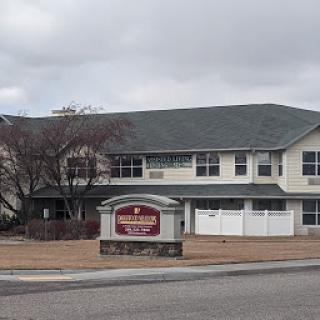
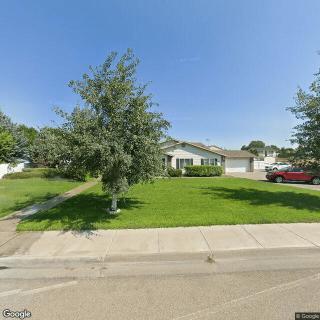
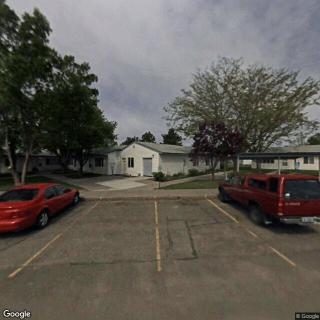
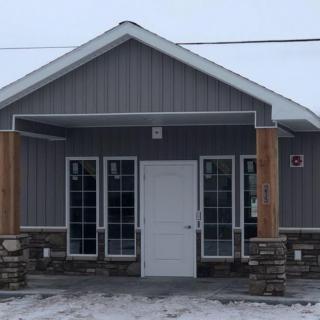
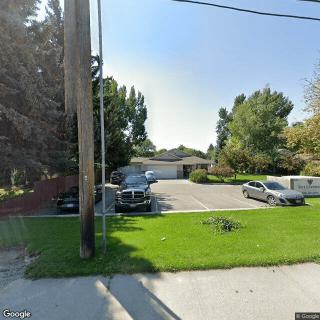
Lily and Syringa Assisted Living in Idaho Falls is best suited for families seeking an intimate, memory-care–focused setting where residents with Alzheimer’s or other cognitive challenges receive exceptionally personalized attention. The community operates as two small homes side by side, with shared outdoor space and common living areas that foster a home-like rhythm rather than a hospital cadence. The environment clearly serves residents who benefit from close supervision, predictable routines, and a staff that can provide steady, compassionate engagement throughout daily life and into end-of-life moments.
Those weighing alternatives should consider that this is not a large campus with expansive programming or broad medical services. Families needing a bigger facility with a wide range of on-site activities, advanced skilled-nursing coverage, or highly specialized medical resources may find options elsewhere more suitable. For residents whose needs may outgrow a small, memory-focused setting, or for families seeking a facility with a very different atmosphere or pace, exploring other communities is prudent.
The strongest positives here are hard to match: a small footprint enables highly individualized attention, and the staff turnover is notably low, which translates into deep familiarity with residents’ histories, preferences, and triggers. The care team exhibits genuine warmth, often anticipating daily needs without being asked, and they stay consistently engaged with families about day-to-day wellness and health changes. Cleanliness, hot, home-cooked meals, and a robust safety protocol, especially useful for wander-prone residents, underscore a reliable, respectful approach to daily life. These advantages cohere with a mission-driven culture that prioritizes dignity, patience, and soft, patient handling during difficult moments, including end-of-life care.
The alignment between the community’s strengths and residents’ needs is most evident in its memory-care expertise. Families repeatedly highlight how the setting, and the staff, helps residents who require careful supervision, gentle behavioral management, and reassurance during anxiety or confusion. The two-house configuration, with common spaces that resemble a neighborhood living room, reinforces routines and reduces the disorientation that can accompany memory loss. When hospice or palliative care enters the picture, the staff’s compassionate, hands-on approach, attentive in-room care, grooming, and constant support for families, helps families move through a painful transition with dignity and steadiness.
The main trade-off to weigh is the potential limit in scale and breadth of services. The small, memory-care–centered model may feel less expansive than larger assisted living communities that tout a wider menu of activities, more on-site specialists, or a broader social calendar. Yet the same intimate format that provides steadier attention also offsets that concern: residents benefit from consistent caregivers who know their patterns, preferences, and medical histories, reducing friction and miscommunication. For families who value continuity, the familiarity of long-tenured CNAs and nurses, plus proactive director stewardship, often converts potential limitations into a powerful strength.
In practical terms, families evaluating Lily and Syringa should ask pointed questions during tours: how staff-to-resident ratios change by shift, how care plans adapt to evolving dementia needs, and how safety alarms are integrated into daily routines without compromising warmth. Inquire about daily menus, opportunities for meaningful activities tailored to memory-impaired residents, and how family communication is structured for updates and concerns. If a loved one requires more extensive medical oversight, or if the goal is to participate in a wider community life with frequent outward activities, alternatives may deliver greater breadth. For memory-care-focused care in a small, compassionate setting, Lily and Syringa is unusually strong.
Overall, Lily and Syringa stands out as a compelling choice for families prioritizing intimate, compassionate memory care delivered by a dedicated, stable team. The combination of a cozy, home-like layout, calm routines, and staff who truly treat residents with respect and dignity creates a supportive environment where residents can thrive, and families can feel confident in the daily care their loved one receives. Those who place high value on personalized attention, continuity of relationships, and humane, end-of-life care will find this community a rare fit; those seeking a larger campus with broader services may want to explore other options, but for memory-care needs anchored in warmth and vigilance, Lily and Syringa is hard to beat.
 24 resident community capacity
 Assisted Living
 Beauty salon
 Cable or satellite TV
 Dining room
 Fully furnished
 Garden
 Housekeeping services
 Kitchenette
 Move-in coordination
 Outdoor space
 Restaurant-style dining
 Small library
 Telephone
 Wi-Fi/high-speed internet available
 Idaho Falls Regional (2 miles away)
 24-hour call system
 Activities of daily living assistance
 Assistance with bathing
 Assistance with dressing
 Assistance with transfers
 Diabetes diet
 Medication management
 Mental wellness program
 Special dietary restrictions

 Beyond the Bingo Hall: 50+ Enriching Activities for Seniors in Assisted Living
 Understanding the Distinctions: Assisted Living and Memory Care Explained
 Guiding Elderly Parents Who Refuse Assisted Living: 6 Practical Steps