
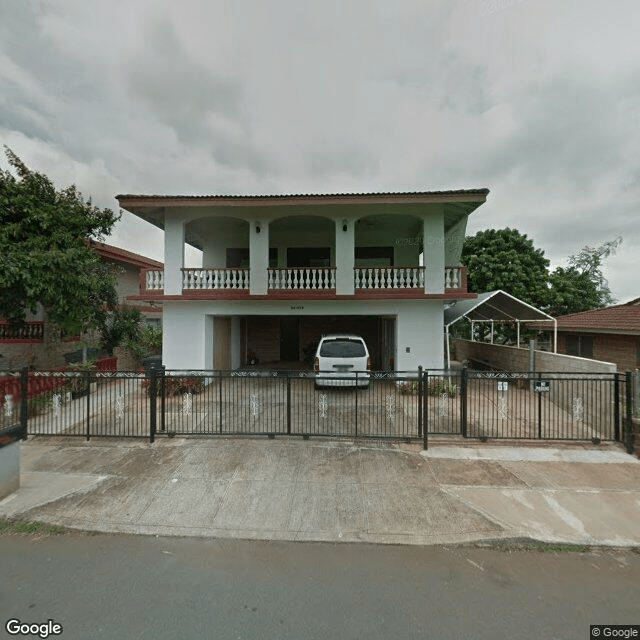
94-559 Apii PL, Waipahu, HI 96797
To contact a resident: (808) 200-1405
For more information about senior living options: (866) 208-4318
Serenity Hawaii Care Home Costs & Pricing
At Serenity Hawaii Care Home, the monthly costs for care reflect the premium services and serene environment offered. For a semi-private room, residents can expect to pay $7,329, significantly higher than the average rates in Honolulu County ($4,228) and across the state of Hawaii ($4,244). Those opting for a private room will find the monthly fee set at $8,000 - a notable increase compared to both the county average of $4,664 and the state average of $4,689. While these costs are above regional norms, they encompass personalized care and amenities that cater to residents' well-being in a stunning Hawaiian setting.
| Floor plans | Serenity Hawaii Care Home | Honolulu County | Hawaii |
|---|---|---|---|
| Semi-Private | $7,329 | $4,228 | $4,244 |
| Private | $8,000 | $4,664 | $4,689 |
Senior living communities with a similar price nearby
-
from +$1171 / mo
Kina 'Ole Estate
$8,500 to $8,900 / month13.7 miles away -
from -$854 / mo
Lunalilo Home
$6,475 to $6,693 / month21.5 miles away -
from -$772 / mo
Hale Kuike
$6,557 to $7,900 / month11.2 miles away -
from -$1329 / mo
Knight's Victoria House
$6,000 / month19.2 miles away
Overall Review of Serenity Hawaii Care Home
Pros
 The care home is very clean and has a tasteful interior.
- The operator and staff are highly experienced in patient care, including Alzheimer's care and rehabilitation.
- They work closely with hospitals and case workers and provide excellent professional care and service.
- The operator has the right heart for the job, keeping residents safe and well cared for.
- The environment is welcoming, with residents consistently well cared for and the facility staying clean.
- Residents enjoy outings, exercise walks, birthday parties, and a range of supportive activities.
- Love, kindness, compassion, and safety are core values of Serenity Hawaii Carehome LLC.
- The host was excellent, thorough, and knowledgeable; the premises are clean, open, and accessible with wheelchair and walker access around the perimeter.
Review
Serenity Hawaii Care Home in Waipahu is best suited for families seeking a compact, home-like setting that places strong emphasis on Alzheimer’s care and rehabilitation, delivered with a hands-on, compassionate touch. This community appeals to those who want intimate daily oversight from experienced caregivers, a clean and tasteful environment, and regular social activities that keep residents engaged. It’s particularly compelling for loved ones with memory challenges who benefit from predictable routines, close staff relationships, and a care team that coordinates with hospitals and case managers. In short, it is a practical fit for families prioritizing warmth, safety, and relationship-based care over a larger, institutional atmosphere.
Those weighing options should consider alternatives if medical complexity exceeds what a small care home like this typically provides. The reviews describe a tightly run house with a strong focus on Alzheimer’s and rehab, but they do not advertise on-site physicians, round-the-clock skilled nursing, or a broad menu of specialized medical services. Families should assess whether evolving medical needs, complex medication management, or emergencies requiring rapid hospital-level response can be met on-site or with external partners. For those seeking a larger campus, more extensive medical resources, or more standardized programming, other options may deliver the desired scale and breadth.
On the upside, cleanliness and interior quality stand out as foundational strengths. The operator and staff are portrayed as highly experienced in patient care, with clear specialization in Alzheimer’s and rehabilitation. Their collaboration with hospitals and case workers reduces caregiver burden and helps keep transitions smoother for families facing ongoing decisions about care plans. The atmosphere is described as welcoming, with residents able to participate in outings, exercise walks, and social events like birthday celebrations. This combination of professional capability and genuine warmth provides a reassuring backbone to daily life for residents and their families.
Accessibility and safety are equally central. The facility shows a clean, open layout with wheelchair and walker access around the perimeter, supporting safe mobility for residents with mobility challenges. The policy of open visitation, visits at any time, offers practical reassurance for families who want to stay closely connected to their loved ones’ routines. The operator’s character, characterized as having the right heart for the work, translates into a culture of safety, patience, and attentive care that becomes evident in how staff engage residents during activities and in daily caregiving interactions.
Overall, the strongest offset to the limited facility footprint is the focused, specialist care and the strength of a collaborative care network. Families gain access to trained hands, a deliberate daily rhythm, and proactive communication with hospitals and case workers, all of which can significantly ease the caregiving burden. Yet the small size may constrain the depth of on-site medical resources and the variety of therapies available. Prospective residents should verify staffing ratios, the availability of on-call nurses, and clear emergency protocols. A detailed care plan, covering memory-care programming and an activities calendar, will reveal whether the pace and scope align with long-term needs.
In sum, Serenity Hawaii Care Home stands out as a practical, hands-on option for elders requiring Alzheimer’s care and rehabilitation within a warm, orderly home setting. For families prioritizing intimate care, safety, and meaningful social engagement, this community delivers credibility grounded in experienced staff and hospital partnerships. Those who require comprehensive 24/7 medical oversight, broader therapy options, or a larger facility should explore alternatives. Tour the home, observe staff interactions with residents, and ask for concrete staffing ratios, on-site medical capabilities, and the availability of memory-focused programming and emergency procedures before making a decision.
 Board and Care Home
 Activities on-site
 Devotional services off-site
 Indoor common areas
 Private
 Honolulu International (8 miles away)
 Ambulatory care
 Diabetic care
 High acuity care
 Incontinence care
 Medication management
 Meals provided
 Caregiver Exhaustion: Recognizing the Signs and Restoring Your Well-Being
 Understanding Hospice Care at Home: Comprehensive Services, Key Benefits, and Eligibility
 Understanding the Full Cost of 24/7 In-Home Care: A Detailed Overview