
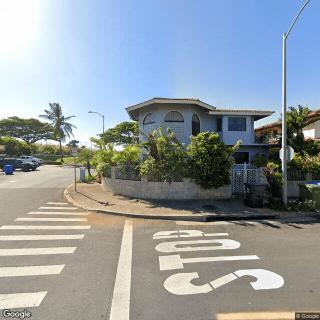
94-211 Loaa Street, Waipahu, HI 96797
For more information about senior living options: (866) 208-4318
Marrhey Care Home Costs & Pricing
At Marrhey Care Home, the monthly costs present a compelling value compared to both Honolulu County and the broader state of Hawaii. For a studio room, residents enjoy an affordable rate of $1,510, significantly lower than the county average of $4,880 and the state average of $4,687. The one-bedroom option at Marrhey is priced at $1,920, again well below Honolulu County's average of $4,557 and Hawaii's average of $4,452. For those seeking more space, the two-bedroom unit is available at $2,575, still offering substantial savings compared to Honolulu County's $5,286 and the state's higher average of $5,327. This attractive pricing structure makes Marrhey Care Home a cost-effective choice for individuals seeking quality care without compromising on comfort or community.
| Floor plans | Marrhey Care Home | Honolulu County | Hawaii |
|---|---|---|---|
| Studio | $1,510 | $4,880 | $4,687 |
| 1 Bedroom | $1,920 | $4,557 | $4,452 |
| 2 Bedrooms | $2,575 | $5,286 | $5,327 |
Overall Review of Marrhey Care Home
Pros
 The owners are really working so hard.
- They care very much about their clients.
Review
Marrhey Care Home in Waipahu, Hawaii is best suited for families seeking a warm, intimate, hands-on care environment where the owners are visibly committed to each resident. The two five-star reviews highlight a culture of genuine dedication and personal attention, with notices that the owners are “really working so hard” and care deeply about clients. In practice, this translates to a small, home-like setting where daily routines can be tailored and oversight feels continuous rather than ceremonial. For seniors who value close relationships with caregivers and a familiar, neighborhood feel, Marrhey offers a compelling alignment of place and purpose.
That said, potential residents or families should explicitly consider alternatives if a loved one requires higher medical complexity or a more formal care structure. The compact size of a family-run home typically means less on-site medical infrastructure and fewer specialized therapy options than larger facilities. If extensive rehabilitation services, frequent physician visits, or robust programming with bus transportation and structured activity calendars are essential, other communities with bigger staffs and broader service lines may better meet those needs. This is not a critique of care quality, but a practical assessment of what a smaller home can realistically sustain day to day.
The strongest pros of Marrhey offset the main trade-offs in meaningful ways. The owners’ evident work ethic and personal investment in every resident tend to yield rapid response to needs, clearer communication, and a sense that the care plan is a living, adaptable document rather than a fixed script. Residents often experience more predictable, individualized attention than what is typical in sprawling complexes, with decisions that can be made promptly without layered approvals. For families, that translates to greater confidence in day-to-day safety, routine consistency, and the comfort of knowing the care team is motivated by relationship as much as by policy.
Nevertheless, the intimate setup can carry potential limits. With a small crew and a single-location focus, expectations should be tempered regarding the breadth of on-site medical expertise, the variety of daily programming, and the range of social activities. Visitors should be mindful of how emergency coverage is arranged, how medication management is handled when staff are stretched, and what happens after hours. Those factors matter because they shape how well a resident maintains medical stability, enjoys meaningful engagement, and keeps a strong sense of social connection in between family visits.
Practical due diligence during a tour should center on concrete, visit-ready questions and careful observation. Inquire about staff-to-resident dynamics, who is available for overnight coverage, and how often care plans are reviewed and updated in collaboration with family. Ask who handles medication administration, how pain and symptom tracking is documented, and what protocols exist for crisis situations. Observe the living areas for cleanliness, safety features, and accessibility, and probe how meals are planned, whether there are flexible options or accommodations for dietary restrictions. Finally, gauge how activity and social opportunities are structured and who leads those programs to ensure steady, meaningful engagement.
Ultimately, the verdict points to Marrhey Care Home as a strong, owner-led option for seniors who prize a tangible, caregiving-focused atmosphere over breadth of services. It is especially well-suited for residents who thrive with consistent, personal attention and a home-like rhythm that prioritizes relationships and day-to-day comfort. Families weighing options should contrast this with facilities offering more extensive medical staffing, broader rehabilitation offerings, and busier activity calendars. If a tour confirms alignment with these priorities, Marrhey becomes a recommended choice; if not, a larger or more medically integrated community may prove a better fit.
 3 resident community capacity
 Assisted Living
 Cable or satellite TV
 Dining room
 Fully furnished
 Garden
 Housekeeping services
 Move-in coordination
 Outdoor space
 Telephone
 Wi-Fi/high-speed internet available
 Honolulu International (8 miles away)
 24-hour supervision
 Activities of daily living assistance
 Assistance with bathing
 Assistance with dressing
 Assistance with transfers
 Diabetes diet
 Meal preparation and service
 Medication management
 Special dietary restrictions
 Transportation arrangement (medical)
 Transportation to doctors appointments
 Comprehensive Insights into Activities of Daily Living (ADLs) and Their Assessment
 Guiding Elderly Parents Who Refuse Assisted Living: 6 Practical Steps
 Your Comprehensive Guide to Luxury Assisted Living: Elevated Facilities, Amenities, and Costs