
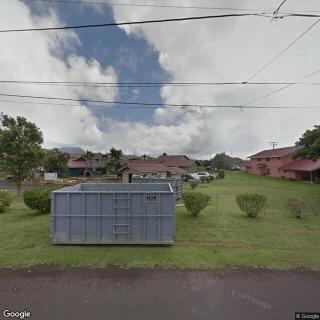
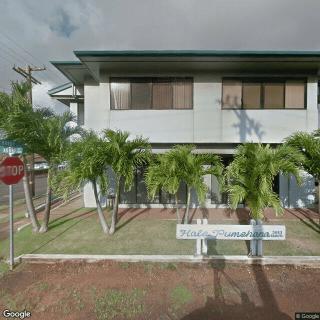
4297 Omao Rd # C, Koloa, HI 96756
To contact a resident: (808) 742-7591
For more information about senior living options: (866) 208-4318
Overall Review of Hale Omao
Pros
 The staff are very nice and helpful.
- Jim Rich enjoys Hale Kapuna Heritage Home for his wife.
Cons
 The reviewer accuses the facility of neglecting patients.
- It is alleged that the facility demands more cash if patients stay overnight.
- The reviewer warns that going there could harm a family member.
Review
Hale Omao in Koloa, Hawaii, is best suited for families seeking a warm, home‑like senior living option with a compact, relationship‑driven atmosphere. The community’s strength shows up in everyday interactions: staff that feel approachable, responsive, and genuinely engaged with residents. For seniors who prefer a smaller, community-centered setting over a large campus, Hale Omao offers a pace and scale where caregivers can know residents by name and flag needs promptly. The tone suggested by the reviews is practical comfort and daily familiarity, making it a sensible match for those who value dependable, personable care more than clinical polish or high‑level medical amenities.
Yet, serious caveats deserve close scrutiny. The most consequential warning comes from a family member alleging neglect and describing a pressure to cover extra costs when a resident must stay in a hospital overnight. Such a claim, even in a landscape of glowing 5‑star notes, cannot be dismissed. Families with residents who have higher medical needs, require frequent hospital contact, or operate on tight budgets should demand transparent policies and verifiable safety records before aligning with Hale Omao. For those whose care requirements extend beyond daily assistance or who prize straightforward, predictable fees, alternatives with stronger clinical oversight or clearer financial terms may be more prudent.
On the plus side, the staff’s warmth translates into real, practical benefits. The reviews repeatedly highlight a “very nice and helpful” team that tends to respond quickly to mobility needs, communicates with respect, and builds trust through consistent, person-centered interactions. The notion that Hale Omao can be a “special place” for some residents underscores the emotional comfort provided by attentive caregivers. A smaller setting often enables tighter supervision and more meaningful conversations, which can relieve anxiety for both residents and their families and foster a sense of security that larger facilities sometimes struggle to reproduce.
The most troubling gap is the alleged neglect coupled with a fee‑pressure dynamic tied to hospital stays. That combination threatens the foundation of care: safety, trust, and predictable costs. It is essential for any prospective family to seek concrete assurances about staffing ratios, care supervision, escalation procedures, and the exact terms surrounding hospital or overnight arrangements. Without written policies and recent quality indicators, the risk of miscommunication and financial surprise remains unacceptably high. A candid conversation with an administrator, backed by a documented care plan and a clear contract, becomes non‑negotiable.
Pros and cons do not exist in isolation; their balance defines fit. When care is delivered with warmth and predictable reliability, the emotional and social rewards of a small, community-focused home can offset some limitations of a smaller operation. However, the perceived financial leverage surrounding hospital stays can erode trust even where day‑to‑day care is solid. The practical path is to insist on a guided visit, observe caregiver interactions with current residents, and secure a written care plan that documents responsibilities, fees, and escalation steps. With such transparency, Hale Omao can prove itself as a trustworthy home for the right resident.
In conclusion, Hale Omao offers a compelling option for families seeking a meaningful, relationship-first living environment in a coastal, intimate setting. The standout strength lies in the staff’s genuine warmth and the sense of belonging that a small, attentive community can deliver. But the facility is not the universal choice. For residents with complex medical needs or for families requiring rock‑solid financial clarity and formalized safety oversight, exploring alternatives with stronger clinical infrastructure and stricter fee policies is wise. The decision should hinge on whether the family can commit to thorough, upfront transparency and ongoing oversight, paired with a willingness to prioritize personal connection over scale.
 Assisted Living
 Activities on-site
 Devotional services off-site
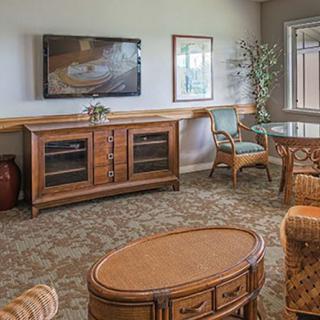
 Indoor common areas
 Lihue (10 miles away)
 Ambulatory care
 Diabetic care
 Meals provided


 Comprehensive Insights into Activities of Daily Living (ADLs) and Their Assessment
 Medicare Coverage for Assisted Living: An In-Depth Exploration
 Your Comprehensive Guide to Luxury Assisted Living: Elevated Facilities, Amenities, and Costs