










472 Kaulana Street, Kahului, HI 96732
For more information about senior living options: (866) 208-4318
Overall Review of Care Homes By Hale Makua
Pros
 Hale Makua is a good place.
- The staff have always been more than helpful.
- They are more than patient with Grandma.
- It takes a special kind of person to care for the needs of another human, especially an adult.
- The residents there seem to not want for anything.
- The facility is clean and residents are well cared for.
- There have been no reports of complaints about how residents are treated.
Cons
 The reviewer states that this place should not be brought to the attention of loved ones, and that it would be better to give them a shot or a pill to end their misery than spend their last days here.
- The care from the nurses is described as equivalent to prison.
- The reviewer says this facility is not worth any human being's time or dignity.
- The reviewer hopes the place will be investigated and shut down, or at least that all new staff and management take over.
- The reviewer cites an incident where staff declined to take the hanai auntie to the restroom when she requested it, implying neglect.
- The reviewer says they intend to report the place for the safety and care of the Kupuna.
Review
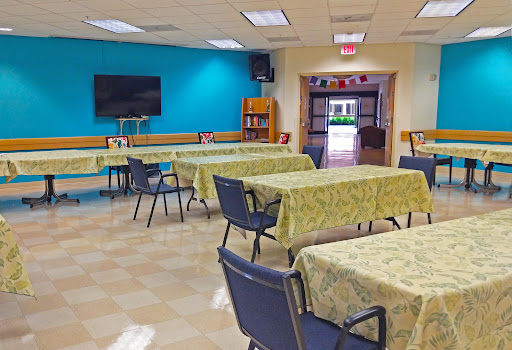
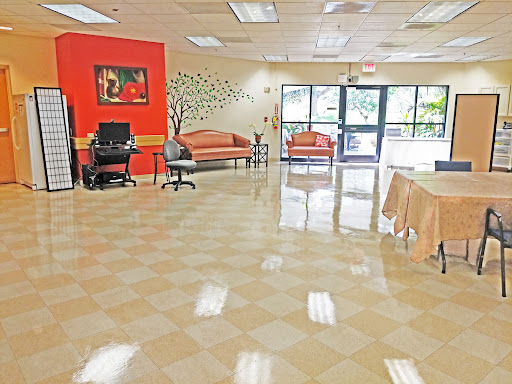
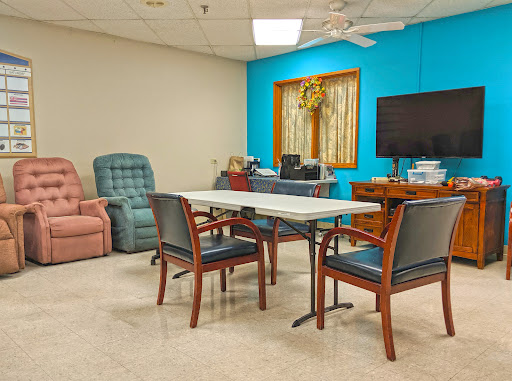
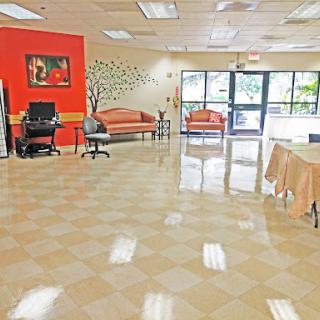
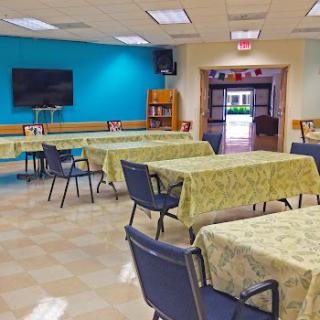
Care Homes By Hale Makua in Kahului is best suited for families seeking a smaller, hands-on environment where daily care emphasizes warmth, personal attention, and a clean, comfortable setting. The community is described as well maintained, with caregivers who invest time in residents and a culture that values patience and genuine interaction. For seniors who do not require constant medical intervention but do benefit from consistent, respectful support with routine tasks, Hale Makua can deliver a dependable, home-like experience. The emphasis on visible cleanliness and a calm atmosphere makes it a reasonable fit for residents who prize dignity and routine over high-end amenities and clinical pacing. This is where the human touch matters most, and it shows in everyday care.
However, families should consider alternatives if caregiving needs extend beyond daily assistance and companionship. The strongest caveat raised is the possibility of inconsistent responsiveness and situations where urgent needs were not promptly met. For loved ones who require rapid, reliable help with mobility, incontinence care, or timely restroom access, the risk of delayed help is a non-starter. Those who insist on rigorous oversight, continuous nursing coverage, or a facility with a more formalized governance structure may find a different setting more reassuring. In short, this community rewards steady, attentive care but may not meet every level of medical or crisis-driven support.
On the plus side, cleanliness and general upkeep are repeatedly cited as enduring strengths. The environment feels orderly, and residents are described as well cared for, with staff who are patient and accommodating. Several families note that caregivers go beyond basic tasks, demonstrating dedication that respects the dignity of the elderly. The sense of a respectful, gentle routine and a climate where staff appear invested in residents’ comfort translates into dependable day-to-day experiences for many. When care teams align with family expectations, the positives are tangible and meaningful, particularly for seniors who flourish with consistent, if not hospital-grade, support.
Counterbalancing these strengths is a credible concern raised by a single, strongly negative review. That account depicts a punitive atmosphere and a staff crisis with a resident's urgent needs going unmet, including bathroom assistance. While it represents one perspective, it serves as a red flag about staffing reliability and accountability. It is imperative to verify whether such experiences reflect broader patterns or isolated incidents. The risk, though not universal, underscores the necessity of direct observation, corroboration with multiple staff members, and a careful review of how the facility handles resident requests, complaints, and escalation.
Prospective families will want to test the reality by asking pointed questions and watching the system in action. If staffing levels are stable and communication channels are open, the favorable traits, cleanliness, patient staff, and individualized attention, can indeed offset the risk. To assess this, request current nurse and aide-to-resident ratios, obtain a sample care plan, and observe a shift handoff. Seek opportunities to meet the director of nursing, tour during different times of day, and inquire about incident logs, response times, and how requests are tracked. A trial stay or short-term visit can reveal how well the care team translates policy into daily practice.
Bottom line: Hale Makua offers a practical, home-like option for seniors who prize dignity, cleanliness, and steady, compassionate caregiving, provided that management demonstrates reliable staffing and transparent accountability. It is not a universal fit for residents with high medical or urgent-care needs, nor for families unwilling to actively oversee care. For those considering alternatives, compare with other Hawaii providers where clinical oversight is more pronounced, or pursue facilities with a track record of consistently rapid responses. In any case, thorough tours, direct conversations with frontline staff, and cross-checking references will determine whether Hale Makua aligns with the family’s risk tolerance and goals for a loved one’s daily life.
 22 resident community capacity
 Assisted Living
 Skilled Nursing Facility
 Beauty salon
 Cable or satellite TV
 Dining room
 Fully furnished
 Garden
 Housekeeping services
 Kitchenette
 Move-in coordination
 Outdoor space
 Telephone
 Wi-Fi/high-speed internet available
 Kahului (3 miles away)
 24-hour call system
 Activities of daily living assistance
 Assistance with bathing
 Assistance with dressing
 Assistance with transfers
 Diabetes diet
 Meal preparation and service
 Medication management
 Mental wellness program
 Special dietary restrictions
 Transportation arrangement (medical)
 Transportation to doctors appointments



 Exploring the Contrasts Between Assisted Living and Skilled Nursing
 8 Key Indicators That Suggest It May Be Time to Transition from Assisted Living to Skilled Nursing Care
 Vibrant Senior Living: A Comprehensive Guide for Active Older Adults