

1214 Kukila Street, Honolulu, HI 96818
To contact a resident: (808) 988-4888
For more information about senior living options: (866) 208-4318
Overall Review of Visiting Caregivers
Pros
 They are great, reliable, and friendly.
- The girl who came out went above and beyond.
- She was very patient and tolerant.
- She was always busy and asking what else they could do.
- They are close to perfect.
- They help my mother with her exercises and monitor her health.
- Everything is going well.
- They continue to care for my mom with a compassionate approach.
Cons
 They are a little expensive.
- They are not perfect.
Review
This Honolulu-based visiting-care service is best suited for seniors who want to stay in their own home but still receive dependable, compassionate support. Families seeking consistent companionship, help with everyday activities, and regular health-oriented checks will find Visiting Caregivers a practical match. The program emphasizes patient, friendly handlers who can assist with exercises and daily routines, plus a structured approach to monitoring wellbeing. For households that prize continuity and a sense of normalcy, where Mom or Dad can maintain familiar surroundings while receiving professional assistance, this option earns strong consideration.
Those weighing alternatives should consider whether a more tightly supervised, facility-based setting is necessary. If 24/7 clinical oversight, a full calendar of social activities, or highly specialized medical care is required, an assisted living facility or skilled-nursing environment may be a better fit. Families operating on a tighter budget or hoping for extensive on-site amenities may find home-based services less economical over the long term. In short, when medical complexity or social opportunities beyond in-home care rise to the top of the list, it is wise to compare with other models rather than assume in-home care will always be the simplest solution.
On the upside, the core strengths here are compelling. Caregivers are consistently described as reliable and friendly, with staff who go above and beyond to anticipate needs. The ability to perform exercises with a loved one, per the record, indicates more than basic assistance; it points to active engagement in maintaining strength and mobility. A notable practical advantage is the logging system for daily activities and health monitoring. For families, that documentation translates into transparent, traceable care: a clear record of what happened each day, which helps coordinate with physicians, track progress, and ease scheduling and billing conversations. The owners’ hands-on approach, Robert and Virginia, adds credibility and a personal touch that reassures families seeking a compassionate partner.
Still, there are tangible drawbacks to weigh. Cost sits clearly in the “consider alternatives” column for many families, with notes that services are not inexpensive. The in-home model also means care depends on the availability and rotation of caregivers, which can complicate scheduling if coverage is tight or when specific caregivers aren’t available. While the reviews consistently praise the warmth and steadiness of the staff, the absence of a 24/7 live-in option or a dedicated unit means the level of medical oversight and social stimulation found in a senior living community is necessarily different. For some families, that gap matters enough to drive a move to a different care arrangement.
The key pros offset the cons in meaningful, practical ways. The ability to stay in a familiar residence is a powerful quality-of-life factor, reducing the stresses of transition and preserving independence for as long as possible. The exercise support is not only a wellness perk but a proactive strategy to slow functional decline, an outcome that can ultimately reduce hospitalizations and long-term costs. The daily-activity logs deliver peace of mind: families gain a reliable narrative of care, which supports coordination with clinicians and helps inform difficult decisions. The combination of tested reliability, genuine warmth, and a structured care log makes this option far more than “just visit-based help”, it functions as a well-run, in-home care program.
In deciding whether Visiting Caregivers is the right fit, start with a clear picture of needs and boundaries. It is an excellent match for seniors who can benefit from regular exercise support, steady daily routines, and transparent health monitoring while remaining in a familiar home setting. It works best for households willing to invest in consistent in-home care and who value a direct, personal approach from owners who understand the local market. If the priority is deeper medical supervision, a broader social program, or a more predictable 24/7 schedule, consider alternatives in Honolulu that offer facility-based living or more intensive clinical services. For families prioritizing independence, dignity, and dependable at-home care with strong documentation, Visiting Caregivers presents a credible, practical path forward.
 Honolulu International (3 miles away)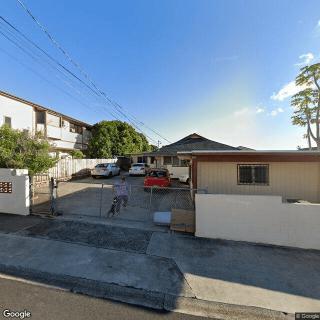



 A Detailed Examination of Nursing Home Costs Across the U.S.
 Exploring Nonmedical Home Care: Understanding Services, Costs, and Financial Approaches
 Engaging Brain Games and Innovative Apps to Keep Senior Minds Active