

91-918 ahona street, Ewa Beach, HI 96706
For more information about senior living options: (866) 208-4318
Gonzales Foster Home Costs & Pricing
At Gonzales Foster Home, the monthly costs are notably more affordable compared to both Honolulu County and the broader state of Hawaii. For a semi-private room, residents can expect to pay $3,000, which is significantly lower than the county's average of $4,228 and the state's average of $4,244. Similarly, for those seeking a private room, Gonzales Foster Home offers it at $3,500 - a considerable saving when compared to Honolulu County's rate of $4,664 and Hawaii's average of $4,689. This pricing strategy makes Gonzales Foster Home an attractive option for families seeking quality care without the financial burden often associated with assisted living in this region.
| Floor plans | Gonzales Foster Home | Honolulu County | Hawaii |
|---|---|---|---|
| Semi-Private | $3,000 | $4,228 | $4,244 |
| Private | $3,500 | $4,664 | $4,689 |
Senior living communities with a similar price nearby
-
from +$125 / mo

The Plaza At Mililani
$3,125 to $4,100 / month10.3 miles away -
About the same

Dignity Senior Living At Oceanside Hawaii
$3,000 to $3,300 / month19.7 miles away -
from -$400 / mo

Hermelina Apuya
$2,600 to $3,300 / month6.7 miles away -
from +$500 / mo
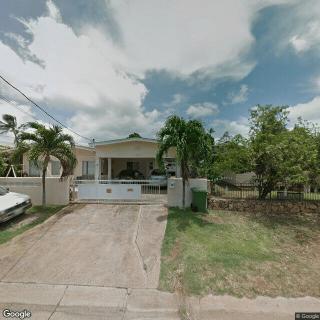
Leslie S Pascual Fostercare Home
$3,500 to $4,000 / month0.2 miles away -
from -$485 / mo

Hale Nani Rehabilitation & Nursing Center
$2,515 to $3,040 / month10.9 miles away
Overall Review of Gonzales Foster Home
Pros
 The program and staff are great, and the place is loved by visitors.
- The staff are nice, friendly, and caring.
- The environment is warm, friendly, and welcoming.
- Dr. Barton is a great and caring therapist.
- The facility is kid-friendly and welcoming to families.
- The employees are wonderful and doing amazing work.
- The premises are clean and the service is good, including reliable pedicure and nail care.
Cons
 The reviewer described the place as horrible.
- One review called it purely pathetic and urged that it be shut down and completely defunded.
- A reviewer claimed the business is guilty of kidnapping and human trafficking.
- Another review alleged mismanagement of state funding and urged an audit.
Review
Gonzales Foster Home in Ewa Beach is best suited for families seeking a small, home-like setting where staff deliver warm, personal attention and daily life unfolds with close, approachable caregiving. The community atmosphere leans non-institutional, with residents benefiting from steady staff engagement, a relaxed pace, and opportunities for social interaction in a familiar, cozy environment. This location appears to function as more than a program; it reads as a small, person-centered community, with therapy services and practical touches (such as hall space and clean facilities) that support a comfortable, livable day-to-day experience.
Those considering alternatives should note that this option may not be the right fit for every situation. For families managing advanced medical needs, high-level supervision, or formalized, large-scale operations, a larger and more regulated assisted-living setting will likely offer stronger oversight and a broader continuum of medically oriented care. Additionally, a subset of reviews raises concerns about governance and accountability, signaling a need for thorough due diligence. If transparency about funding, governance, and safety is a top priority, this facility should be weighed against options with more established oversight and documented performance records.
On the upside, the strongest positives center on people and environment. Reviewers repeatedly highlight a caring, supportive staff and a genuinely warm, friendly atmosphere. The presence of a dedicated therapist and the positive remarks about staff interactions suggest meaningful, resident-facing benefits, connections that can bolster mood, engagement, and overall well-being. Cleanliness and a tidy, orderly setting appear consistent even when crowds tighten, and practical perks like rentable hall space add a community-oriented feel that can support social programming and family involvement. In short, the day-to-day experience often lands as personable and pleasant, with staff members who make residents feel seen.
However, several strong cautions temper the favorable picture. A minority of reviewers expresses serious concerns about governance, funding, and even criminal accusations, urging readers to scrutinize the organization’s practices and transparency. While these claims require independent verification, they indicate that potential families should not rely on impression alone and must verify licensing, financial controls, and incident history through official channels and direct conversations with administrators. The presence of such extreme criticisms alongside broad praise means risk granularity matters: the same setting that delivers warmth and accessibility can simultaneously prompt questions about safety, accountability, and how finances are managed.
From a practical decision-making lens, the pros, personalized attention, a welcoming, home-like vibe, and accessible therapeutic support, offset many everyday caregiving needs when the expectation is relational care, social engagement, and low-key supervision. Yet the cons highlight real considerations: governance clarity, financial transparency, and the potential for uneven experiences depending on staffing levels and program intensity. Families prioritizing stability, formal oversight, or high medical acuity should interrogate these dimensions with diligence and demand concrete assurances before aligning long-term plans. The overall impression is that strengths can deliver meaningful daily quality of life for the right resident, but gaps in governance and safety assurances demand careful scrutiny.
In the end, Gonzales Foster Home presents a viable, appealing option for seniors or adults who value a warm, community-centered environment and are comfortable with a small-scale operation. It is less suitable for those requiring robust medical support, strict regulatory assurances, or comprehensive, institution-like oversight. Prospective families should schedule visits, request candid discussions about governance and finances, and seek references from current or past residents and families. If those conversations reinforce confidence in safety, transparency, and ongoing quality, this community can be a strong, gratifying home. If not, it’s prudent to pursue alternatives that offer clearer structures, broader medical capabilities, and transparent governance from day one.
 Board and Care Home
 Private
 Honolulu International (6 miles away)
 Ambulatory care
 Diabetic care

 Comprehensive Guide to Medicare Coverage for Hospice Care
 Caring for Those Who Care: Recognizing, Understanding, and Overcoming Caregiver Burnout
 Caregiver Exhaustion: Recognizing the Signs and Restoring Your Well-Being