

1020 Barber Creek Drive, Suite 321, Watkinsville, GA 30677
To contact a resident: (706) 850-3649
For more information about senior living options: (866) 208-4318
Overall Review of Why Leave Home Senior Care
Pros
 The girl they sent out was really good.
- The billing went smoothly with no issues.
- It was a positive experience with their agency.
- The caregivers were on time and did whatever was asked of them.
- They helped with light housework as well as some personal needs.
- The administrative staff made the process of setting up care easy.
- They were there constantly, always checking in.
- They have been the most reliable of the home care agencies they have worked with.
- Rosie is the person who arranges the caregivers, and she is phenomenal.
Cons
 The reviewers say the agency is a scam and only wants the money.
- They claim the agency couldn't care less about coverage or the clients' needs.
- They say an aide's shift isn't disclosed to the client when it can't be covered.
- They state the staff hate to put in the work and just want the lifestyle.
- They claim the agency doesn't care about family members.
- They say staff insult clients by calling them drug addicts and alcoholics.
- They say staff roll their eyes and seem irritated when a family calls.
- They accuse the agency of not running background checks.
- They describe an incident where Rosie fed herself but didn't feed the client, leaving the client in urine.
Review
This in-home care option in Watkinsville, operated with a local Athens, GA presence, is best suited for families that want straightforward, budget-conscious assistance to keep a loved one at home. It works well for interim or ongoing light caregiving tasks, daily living support, and companionship where a practical, no-frills approach is valued and a single, accessible administrator can coordinate schedules. Families seeking predictable, on-time caregivers, with a simple billing process and direct point-of-contact coordination, will find a reasonable match here. The model favors households that can tolerate some variability in caregiver assignment while prioritizing in-home autonomy over more structured facility care.
Be aware that serious red flags appear in the most vociferous reviews, and those signals should not be dismissed. Two reviewers lash out with highly negative, almost explosive accusations about scams, chronic lateness, coverage gaps, and alleged mistreatment, including references to medication mishandling and unprofessional behavior. These claims, if valid, would undermine trust and safety; they demand direct, thorough investigation before any decision. On the other side, several families describe consistently positive experiences, highlighting reliability, easy setup, timely caregivers, and responsive administrative staff. The contrast is stark enough that this decision must hinge on due diligence, verified references, and concrete safeguards rather than impression alone.
The strongest advantages cluster around reliability in scheduling and ease of process. Positive reviewers emphasize caregivers who arrive on time, perform requested light housekeeping and personal assistance, and follow directions well. The administrative team is repeatedly praised for making the onboarding smooth, with a local point of contact who is active in assigning aides and staying in touch. This combination matters: when staffing is stable and communications are clear, daily routines stay intact, and families experience far less stress around care logistics. For households that value a dependable cadence, check-ins, steady coverage, and a straightforward billing path, the positives can clearly offset a lot of logistical friction.
Yet the spectrum of risk is nontrivial and cannot be ignored. The negative accounts allege a pattern of poor oversight, with caregivers failing to alert families about shift gaps, staff behaving dismissively toward both clients and relatives, and troubling insinuations of inappropriate staff behavior. Questions about background checks, consistent supervision, and accountability for potential med mishandling loom large in these narratives. Add to that the claim that a caregiver who cooks but does not feed a resident, or a client left in a compromised situation, and the concern shifts from mere dissatisfaction to potential harm. Potential families should demand transparent policies on caregiver supervision, incident reporting, and a robust, verifiable screening program before committing.
A prudent decision course combines measured skepticism with concrete verification. Prospective clients should insist on seeing current caregiver rosters, a formal care plan, and written policies on background checks, supervision, and substitution when a caregiver cannot work. Request a face-to-face meeting with the coordinator most closely tied to care placement (often Rosie is mentioned as a key contact) and ask for recent references that can speak to stability over a meaningful period. Clarify the agency’s coverage guarantees: how weekend shifts are handled, how last-minute absences are filled, and what the escalation protocol looks like if concerns arise. Finally, negotiate a short, clearly defined trial period with objective milestones and a clear review process before committing to a long-term arrangement.
In the end, Why Leave Home Senior Care presents a practical option for families who want in-home support with a local, responsive administrative backbone and a track record, at least anecdotally, of reliable care when staffing aligns with expectations. The caveat is substantial: the most troubling reviews insist on scrutiny of safety, communication, and accountability. For a household where care needs are moderate, in-home independence is paramount, and a risk-managed approach can be put in place (background checks, supervision, written care plans, and a solid escalation structure), this agency can be a solid fit. If those conditions cannot be guaranteed, or if the family demands an environment with near-zero risk of miscommunication or safety lapses, alternatives, larger, more widely vetted agencies or even a transition to assisted living, should be actively explored. The decision hinges on the ability to verify safeguards, confirm consistent staffing, and implement strict oversight from day one.
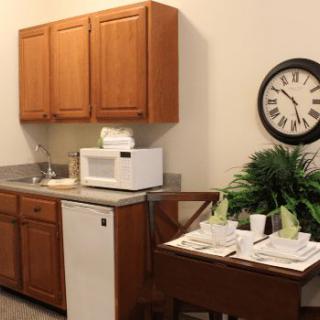
 Anytime dining





 Understanding Hospice Care at Home: Comprehensive Services, Key Benefits, and Eligibility
 Understanding the Full Cost of 24/7 In-Home Care: A Detailed Overview
 Exploring the World of Home Health Nurses: Qualifications, Roles, and Hiring Tips