
2470 Daniels Bridge Road Suite 171, Athens, GA 30606
For more information about senior living options: (866) 208-4318
Compassus - Athens Costs & Pricing
At Compassus - Athens, the monthly costs for care reflect a competitive pricing structure when compared to both Oconee County and the broader state of Georgia. For semi-private accommodations, residents can expect to pay $2,050, which is significantly lower than the county average of $3,080 and is also more affordable than the state average of $2,529. When considering private rooms, Compassus maintains a mid-range price at $2,550. This figure is notably higher than Oconee County's rate of $2,075 but falls short of the statewide average of $2,864. Overall, Compassus - Athens offers value-driven options that cater to various financial needs while ensuring quality care and services.
| Floor plans | Compassus - Athens | Oconee County | Georgia |
|---|---|---|---|
| Semi-Private | $2,050 | $3,080 | $2,529 |
| Private | $2,550 | $2,075 | $2,864 |
Assisted Living communities with a similar price nearby
-
from +$200 / mo
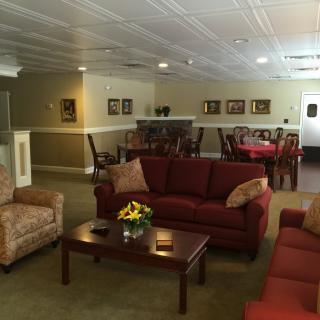
Bountiful Hills Senior Living
$2,250 to $4,300 / month21.4 miles away -
from +$200 / mo
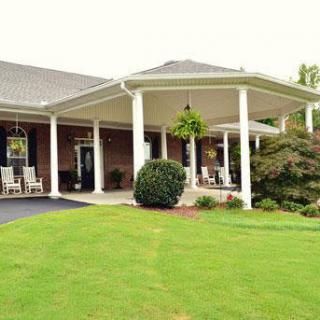
Brookside Commerce
$2,250 to $4,100 / month22.6 miles away -
from +$125 / mo

Hampton House Facility
$2,175 to $2,800 / month16.4 miles away -
from -$200 / mo

The Gardens of Social Circle
$1,850 to $2,950 / month22.4 miles away -
About the same
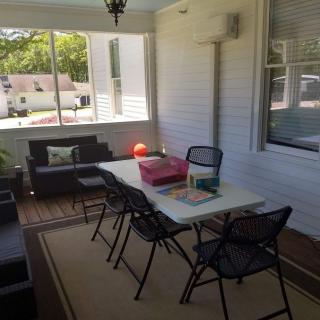
The Doster Manor Senior Care Home
$2,100 / month15.3 miles away
Overall Review of Compassus - Athens
Pros
 Compassus is respectful and a true blessing in times of need.
- The Compassus staff are compassionate caregivers with a heart.
- The Compassus team are truly angels on earth.
- Compassus provides extra care and quickly addresses patients' needs.
- The staff explain everything clearly and make it easy to understand.
- Compassus responds promptly to every call and stays on it.
- Compassus delivers outstanding hospice care with unmatched professionalism.
- The nurses are wonderful and consistently quick to respond.
- Compassus staff arrive quickly and set up medical equipment efficiently.
- A Compassus nurse or CNA cares for patients with gentleness and respect.
- The chaplain spends meaningful time with patients, helping them open up.
- Dr. John Hill is an outstanding physician within the Compassus care team.
Review
Compassus in Athens, GA is best suited for families navigating the end-of-life phase with a loved one who benefits from hospice care delivered at home, anchored by a responsive nursing team, clear explanations, and a strong emphasis on comfort, dignity, and spiritual support. The community excels when families value prompt access to compassionate care, proactive symptom management, and a coordinated system that handles medical equipment and at-home needs without adding logistical strain during a fragile time. It is especially well-suited for those who want a steady, hands-on presence from a skilled team that treats both patient and family as a unit, with a clear focus on practical relief and emotional reassurance.
Those seeking aggressive curative therapy or a strictly inpatient environment may want alternatives. If the priority is an hospital-like setting with continuous on-site medical oversight, or if the plan calls for extensive rehabilitative services in a facility rather than at home, other hospice providers or private-duty arrangements could be a better fit. Likewise, families preferring a broader geographic footprint, different religious or spiritual accommodations, or a care model that emphasizes longer-term inpatient respite might explore options beyond Compassus. In short, Compassus shines in home-based, comfort-forward hospice care, but its strengths align best with families who are comfortable prioritizing at-home comfort with robust, responsive nursing and spiritual support rather than a highly facility-centric approach.
The primary pros are substantial and highly meaningful, and they largely offset any potential drawbacks one might anticipate. The standout advantage is consistently rapid responsiveness: calls are answered, visits arrive promptly, and staff maintain a presence that makes complex decisions feel manageable rather than overwhelming. Clinically, the team’s competence is evident in reliable symptom control, timely delivery and setup of essential equipment, and hands-on assistance with daily tasks and personal care. Communication is grounded, plain-spoken, and collaborative, so families rarely feel left to interpret medical plans on their own. In a landscape where uncertainty can amplify distress, this combination of speed, skill, and clarity functions as a powerful counterweight to any perceived inconveniences.
Emotional and spiritual support complements the clinical program in a way that significantly reduces family burden during the dying process. The presence of a chaplain and the willingness of staff to engage in meaningful conversations equip families to confront difficult moments with a steadying context. Anecdotes about gentle, respectful care, such as meticulous personal grooming at sensitive times, underscore a level of dignity preserved even as medical needs intensify. The praise directed at the medical leadership, including a physician described as outstanding, reinforces trust that medical decisions are explained in understandable terms and aligned with the patient’s values. This holistic care, melding practical nursing with compassionate listening, turns what could be a chaotic period into a structured cascade of supportive touches.
For families evaluating Compassus Athens, the practical path is straightforward: confirm that home-based hospice care is feasible in the patient’s living situation, verify coverage details, and establish clear expectations around response times, weekend availability, and care coordination. In addition, inquire about equipment delivery timelines, the role of spiritual services, and who coordinates therapy or additional services when needs evolve. Clarify how care plans adapt as symptoms change and ensure there is a single point of contact to minimize confusion. The observed pattern in the reviews, explanations that are easy to understand, coordinated care, and ready accessibility, provides a reliable blueprint, but every family should align those attributes with specific locale realities, scheduling needs, and any cultural or religious preferences that matter most.
Overall, Compassus Athens presents a compelling option for hospice care when the objective centers on comfort, dignity, and practical, family-centered support delivered with urgency and heartfelt attention. The strongest case rests on the bedside compassion of nurses and CNAs, the efficiency of equipment setup, and the deep emotional and spiritual engagement that accompanies medical care. Alternatives should be considered only for families prioritizing inpatient capacity, broader geographic reach, or a care model that balances medical oversight with a different level of home autonomy. With those considerations in mind, families facing end-of-life decisions can approach Compassus Athens with confidence, knowing the care team treats every moment as an opportunity to relieve suffering and honor the patient’s values.
 6 resident community capacity
 Assisted Living
 Cable or satellite TV
 Dining room
 Fully furnished
 Garden
 Housekeeping services
 Move-in coordination
 Outdoor space
 Telephone
 Wi-Fi/high-speed internet available
 24-hour supervision
 Activities of daily living assistance
 Assistance with bathing
 Assistance with dressing
 Assistance with transfers
 Diabetes diet
 Meal preparation and service
 Medication management
 Special dietary restrictions
 Transportation arrangement (medical)
 Transportation to doctors appointments





 Understanding Medicaid Coverage for Assisted Living: A Comprehensive Guide
 How and When Medicaid May Cover Assisted Living Costs
 A Detailed Exploration of Assisted Living Medicaid Waivers Across the United States