
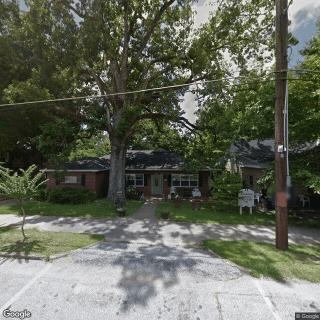
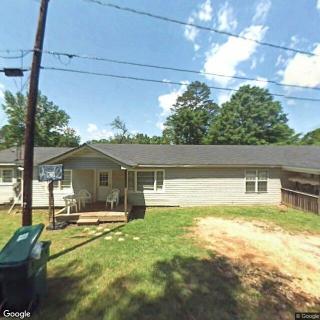
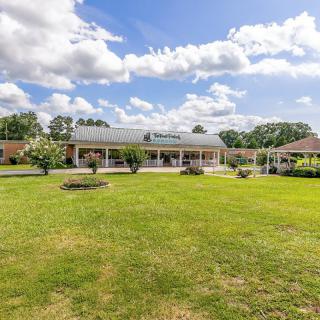
191 James Street, Tallapoosa, GA 30176
For more information about senior living options: (866) 208-4318
Overall Review of James Street PCH
Pros
 The place is amazing and radiates life, joy, hope, and love.
- It is a family-run business that cares deeply, showing love and compassion to all.
- The staff are described as precious angels by visitors, exuding warmth from the first encounter.
- The granddaughter loves the program and feels supported by a caring team.
- The Key Foundation is greatly appreciated for its support.
- The people are friendly and the atmosphere is welcoming.
- It is a great place with amazing, awesome staff.
Review
James Street PCH in Tallapoosa is best suited for families seeking a small, family-operated setting where care feels personal and deeply affectionate. The tone across reviews is one of life, joy, and meaningful connection, painting a picture of a place that operates like a close-knit extended family. Staff are repeatedly described as amazing, friendly, and truly caring, with a palpable sense that every child (or participant) is valued as an individual. The involvement of a family business plus backing from the Key Foundation signals stability, consistency, and a values-driven culture where compassion and hands-on attention are not afterthoughts but core strengths.
Those evaluating options for elder care or adult supervision may want alternatives. This program appears designed around children and family dynamics rather than a traditional assisted living model with medical oversight, chronic disease management, or memory-care services. For seniors who require 24/7 nursing, medication administration, fall prevention programs, or structured elder activities with professional oversight, other facilities dedicated to senior living will be more appropriate. The warmth and home-like feel described here are compelling for younger dependents, but do not substitute for the clinical infrastructure some families rely on when elder needs are front-and-center.
The most compelling pros, the genuine warmth, joyful atmosphere, and family-backed operation, are substantial enough to offset the absence of formal elder-care features for the intended population. Caregivers noted as “amazing” and “awesome” contribute a sense of safety and reliability that reduces parental anxiety and fosters trust. For families seeking a nurturing, low-ceremony environment where staff form real bonds with children and families, these strengths translate into meaningful, everyday advantages: predictable routines, responsive communication, and a sense that care happens within a trusted circle. In short, the positives create a compelling case for families prioritizing character and connection over clinical complexity.
That said, the setting’s design and emphasis clearly steer it away from senior-care suitability. The lack of elder-specific medical oversight, memory-care programming, and 24/7 supervision means this community is not equipped to handle complex health conditions, mobility challenges beyond a mild level, or the intensive needs that many seniors require. The intimate, homey vibe and small-team dynamic, though deeply appealing, also imply limited scalability and for some families, a preference for formalized protocols, licensed nursing presence, and care coordination for aging-in-place scenarios. These realities should be weighed carefully when seniors or their decision-makers contemplate next steps.
From a practical standpoint, prospective families should approach a tour with a clear checklist. Inquire about caregiver-to-child ratios, daily schedules, safety and supervision practices, and the availability of transportation or after-school options if relevant. Seek candid answers about licensing status and the program’s capacity to handle transitions or changes in a child’s needs. Request opportunities to meet frontline staff and observe genuine interactions in routine moments, not rehearsed moments. References from other families, evidence of stability, and transparency about program goals will illuminate whether the environment can sustain the level of trust that makes this place special.
Ultimately, the decision points are straightforward: if the priority is a warm, small-scale, family-oriented setting for children or younger dependents, where staff are consistently described as loving, attentive, and deeply engaged, James Street PCH stands out in Tallapoosa. Its strongest assets, the compassionate staff, the family-business ethos, and the backbone support of the Key Foundation, create a nurturing home-away-from-home that can ease day-to-day concerns for parents. For seniors or adults needing licensed elder-care services, however, this community should be viewed as a parallel option at best, with dedicated assisted living programs offering the clinical oversight, memory care, and regulatory assurances that such needs demand. A disciplined comparison, visits, questions, and direct observation, will reveal whether this environment matches long-term care goals or if a traditional elder-care option is the wiser choice.
 21 resident community capacity
 Assisted Living
 Beauty salon
 Cable or satellite TV
 Dining room
 Fully furnished
 Garden
 Housekeeping services
 Kitchenette
 Move-in coordination
 Outdoor space
 Restaurant-style dining
 Small library
 Telephone
 Wi-Fi/high-speed internet available
 24-hour call system
 Activities of daily living assistance
 Assistance with bathing
 Assistance with dressing
 Assistance with transfers
 Diabetes diet
 Medication management
 Mental wellness program
 Special dietary restrictions

 Social Security Benefits and Assisted Living: Navigating Options Across the U.S.
 An Extensive Exploration of the VA Aid and Attendance Benefit
 Senior Transition Services: Understanding Their Role, Cost, and Importance