
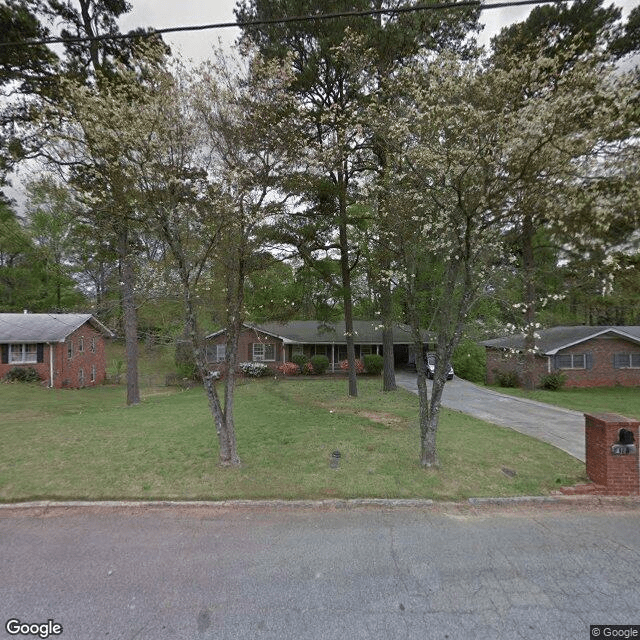
4118 Sioux Way, Stone Mountain, GA 30083
For more information about senior living options: (866) 208-4318
Fourth View Pch Costs & Pricing
Fourth View Pch offers competitive monthly costs for its accommodations, significantly lower than the averages observed in both DeKalb County and the broader state of Georgia. For a semi-private room, residents pay $1,300 per month, which stands in stark contrast to the county's average of $2,188 and the state's average of $2,529. Similarly, for private rooms priced at $1,500 per month, Fourth View Pch remains more affordable compared to DeKalb County's average of $2,415 and Georgia's overall average of $2,864. This pricing structure not only highlights Fourth View Pch's commitment to providing cost-effective living options but also underscores its position as an attractive choice within a higher-priced market.
| Floor plans | Fourth View Pch | DeKalb County | Georgia |
|---|---|---|---|
| Semi-Private | $1,300 | $2,188 | $2,529 |
| Private | $1,500 | $2,415 | $2,864 |
Assisted Living communities with a similar price nearby
-
from -$100 / mo
Yellow Rose Manor Pch
$1,200 to $1,500 / month23.5 miles away -
from +$200 / mo
Lend A Hand Personal Care Home
$1,500 to $2,000 / month15.0 miles away -
from +$200 / mo

Candler Ridge II
$1,500 to $2,000 / month23.8 miles away -
from +$200 / mo

Joy's Manor Pch
$1,500 to $4,000 / month1.8 miles away -
from +$204 / mo

Wesley Woods Towers
$1,504 to $2,973 / month7.1 miles away
Overall Review of Fourth View Pch
Pros
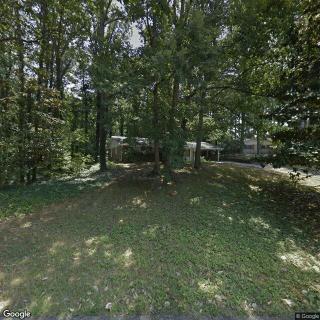
 PCH was very nicely laid out and secluded, with low traffic.
 - The staff was very professional.
- The lobby featured a wonderful fireplace setting that made it warm and inviting for residents to socialize.
- The staff was exceptional to the needs of residents.
- The owner walked through every step of the process and explained what needed to be done and what the staff could do.
- The caregiver listened to dietary needs and cooked special meals to make him happy.
- His room was always clean and he was dressed nicely.
- They would take him out for walks and rides once a week.
Cons
 This is not a place to leave a loved one.
- The facility had unstable staff, high turnover, inattention to detail and a lack of real engagement or oversight by the owner, making it wholly unacceptable.
- There was no effort to engage residents in any activities.
- The live-in caregiver failed to give residents their medications as prescribed.
- A caregiver was sleeping on the living room sofa in the middle of the afternoon, leaving the residents unattended.
- The food served was nothing short of a death sentence for these elderly residents.
- The owners were not committed to providing quality care to the population they are charged with serving.
Review
Fourth View PCH in Stone Mountain is best suited for families seeking a small, homey residential setting where leadership is hands-on and care feels personal. It works for seniors who are relatively independent but require daily help with meals, light supervision, and social interaction, and for families who value approachable staff and a warm, lodge-like gathering space. The atmosphere suits those who want easy access for visits and enjoy a quieter, low-traffic environment that still offers organized activities and walks. It is a practical option for post-acute situations where a loved one benefits from attentive, consistent caregivers who can tailor meals and daily routines. Those with significant medical complexity, frequent medication administration needs, or strict mobility requirements may want to compare other facilities with stronger clinical staffing and more universal accessibility.
On the positive side, when leadership and staffing align, Fourth View PCH delivers a reassuring level of warmth and attentiveness. Reviewers repeatedly note a professional staff and a setting that invites socialization, especially the inviting lobby with a fireplace that makes residents feel comfortable stepping out to mingle. Families reported compassionate treatment during a spouse’s stroke recovery, with a owner who walks families through processes and prioritizes individual dietary needs. The facility’s staff were praised for listening to dietary restrictions and crafting meals to suit specific preferences, and for regular outings and opportunities to feel connected with visiting family. These elements, combined with tidy rooms and a sense of home, create a genuine sense of well-being when care is consistent.
The flip side reveals serious pitfalls that cannot be ignored. One review describes a collapse in safety and oversight, with unstable staffing, high turnover, and minimal resident engagement. The same account cites medication lapses, a caregiver who slept on a sofa during a shift, and an urgent concern for several residents’ well-being that went inadequately addressed by the owner. Food quality and portioning are also questioned in that account, with nutrition concerns tied to health conditions common in seniors. Such reports raise red flags about reliability, supervision, and accountability. In a decision-focused lens, these episodes matter as much as any warm lobby or kind words from staff, because they directly affect daily safety and long-term outcomes.
Another practical shortcoming centers on accessibility. The home-like design, while comforting, is not fully equipped to accommodate all wheelchairs, with certain bathrooms and spaces proving difficult to navigate without assistance. This matters for residents who rely on mobility aids, as it can impede independence and increase the burden on caregivers. Taken with reported staff inconsistencies, this accessibility gap compounds risk for residents who need reliable, barrier-free circulation and easy, dignified access to amenities and caregiving stations. Families should weigh whether a smaller, cozy footprint truly supports mobility-impaired residents or merely offers charm without practical, universal access.
In balancing the positives and the warnings, the decision hinges on leadership stability and medical complexity. For a stroke survivor or a senior who benefits from strongly personalized attention, dietary customization, and family-friendly visiting policies, the pros can significantly outweigh the cons if staffing is stable and oversight is firm. If the home remains well-staffed, engaged, and attentive to medications, the environment can be a compelling, comforting place to live. Conversely, for those with high clinical needs, pronounced medication-management requirements, or rigorous accessibility demands, alternatives with deeper clinical resources and proven safety protocols are advisable. Prospective families should conduct focused due-diligence: request current staffing ratios and shift patterns, observe a resident-care interaction during different times of day, review medication administration procedures, and verify accessibility features and any planned improvements. A candid conversation with the owner about supervision, activity programming, and oversight is essential before choosing Fourth View PCH.
 6 resident community capacity
 Assisted Living
 Board and Care Home
 Activities off-site
 Bath tubs
 Beautician on-site
 Cable or satellite TV
 Devotional services off-site
 Dining room
 Fully furnished
 Garden
 Guest parking
 Housekeeping services
 Indoor common areas
 Laundry
 Move-in coordination
 Outdoor common areas
 Private
 Respite or short term stays offered
 Telephone
 Wi-Fi/high-speed internet available
 William B Hartsfield-Atlanta International (14 miles away)
 24-hour supervision
 Ambulatory care
 Assistance with bathing
 Assistance with dressing
 Assistance with transfers
 Diabetes diet
 Diabetic care
 High acuity care
 Incontinence care
 Meal preparation and service
 Medication management
 Special dietary restrictions
 Transportation arrangement (medical)
 Transportation to doctors appointments
 Arts and crafts
 Games
Games Live musical performances
 Is Assisted Living Deductible on Your Taxes? Understanding the Complexities of Assisted Living Expenses and Deductions
 Assisted Living Support for Veterans: A Complete and Detailed Overview
 Exploring the Contrasts Between Assisted Living and Skilled Nursing