
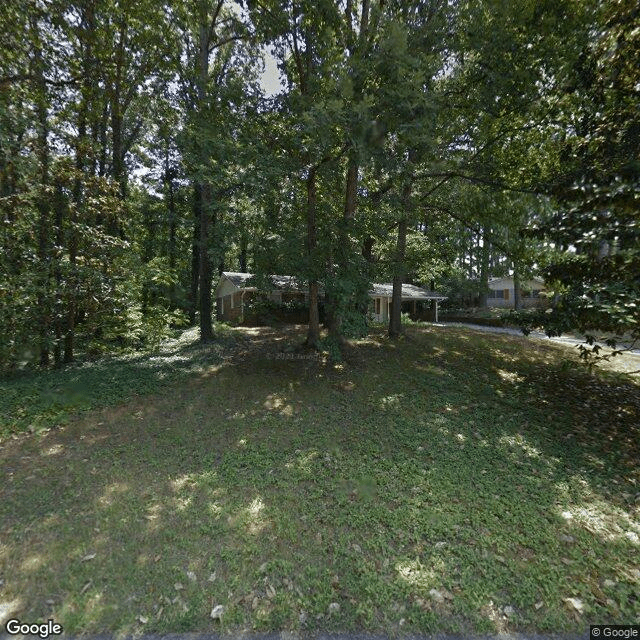
4185 Forest Ct, Stone Mountain, GA 30083
To contact a resident: (404) 447-0459
For more information about senior living options: (866) 208-4318
Best Personal Care Home Costs & Pricing
At Best Personal Care Home, the monthly cost for a private room is set at $2,400, which positions it as an attractive option compared to the average costs in DeKalb County and across the state of Georgia. In DeKalb County, similar accommodations are priced at approximately $2,415 per month, while the statewide average rises significantly to about $2,864. This makes Best Personal Care Home not only competitive within its immediate area but also an appealing choice for families seeking quality care without exceeding their budget. The overall pricing reflects a commitment to providing both exceptional service and value in personal care living.
| Floor plans | Best Personal Care Home | DeKalb County | Georgia |
|---|---|---|---|
| Private | $2,400 | $2,415 | $2,864 |
Senior living communities with a similar price nearby
-
from -$300 / mo
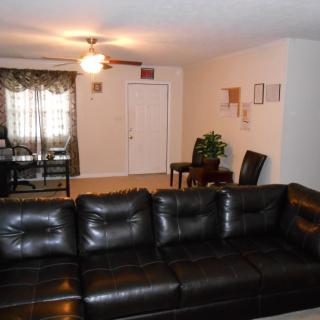
Premium Personal Care Home
$2,100 to $2,850 / month24.8 miles away -
from +$100 / mo
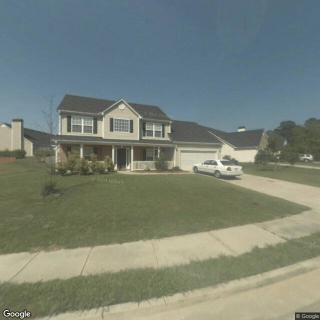
Eden Home Care
$2,500 / month16.9 miles away -
from -$300 / mo
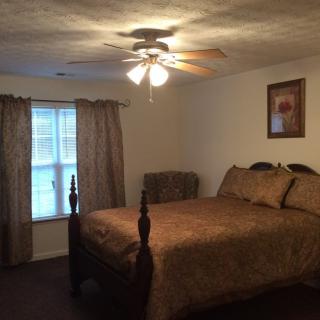
Abiding Care Home
$2,100 / month6.3 miles away -
from -$400 / mo
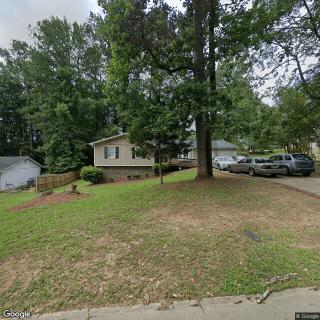
B&A Personal Care Home
$2,000 / month6.4 miles away -
from -$100 / mo
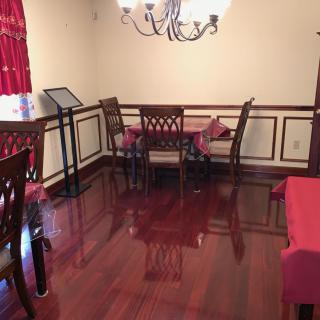
Dalia Precious Memories
$2,300 / month19.0 miles away
Overall Review of Best Personal Care Home
Pros
 The staff at Comfort Care PCH care for residents in a professional, respectful, and dignified manner.
- They consistently prioritize what is best for residents without sacrificing the safety and well-being of others.
- Comfort Care is described as a God-sent facility where loved ones can continue to live a quality and full life.
- The reviewer strongly recommends Comfort Care PCH for others.
Review
Comfort Care Personal Care Home in Stone Mountain, Georgia is best suited for families seeking a small, home-like setting for a loved one who needs ongoing personal care and dementia-friendly supervision. The model rewards intimate, individualized attention, continuity of care, and a respectful, dignified approach to daily life. The facility’s track record, nearly seven years of care for one resident, speaks to stability, trust, and a durable commitment to quality of life even as health changes. For residents whose cognitive challenges require constant oversight but do not demand hospital-level medical intervention, this community offers a humane balance: safety without sacrificing individuality. In essence, it is particularly compelling for dementia care within a warm, family-oriented environment.
Those who should consider alternatives are families facing more intensive medical needs or seeking a larger, more clinically oriented campus. If 24/7 licensed nursing oversight, rapid access to on-call physicians, structured memory care programming, or extensive rehabilitation services are non-negotiable, this Personal Care Home may fall short. Similarly, families wanting a broader social calendar, more amenities, or a formal memory-care unit with campus-wide programming may prefer other options. The small-home atmosphere, while a strength, can limit resources when health fluctuates or a crisis arises. For such scenarios, a traditional assisted living with a larger staff pool or a campus-based memory care facility could be a better fit.
From a practical care perspective, the standout advantages center on staff qualities described as caring, professional, respectful, and dignified. Those traits translate into daily interactions that honor the resident’s preferences, preserve autonomy where possible, and keep safety at the forefront. Continuity matters here: a caregiver team that knows the resident’s history, routines, and triggers reduces agitation and confusion, crucial factors for someone with dementia. Family members report a relentless focus on what is best for the resident, rather than adherence to impersonal routines. When safety and well-being are balanced with quality of life, the experience feels more like a trusted extension of home than a clinical placement.
While no facility is perfect for every situation, the potential trade-offs are identifiable and manageable. The main considerations involve the scale of operation and the depth of medical services. A compact setting may not offer the same breadth of on-site clinical support or rapid responses to medical shifts as larger communities. Yet the proven staff stability, individualized care plans, and the ability to tailor routines to evolving needs often compensate for those gaps. The result is a living arrangement that preserves dignity, sustains consistent daily life, and keeps residents engaged, core elements that can outweigh the limitations for dementia-focused care.
Families evaluating this option should actively pursue practical details that matter in daily life. Request a clear care plan addressing dementia-specific needs, including how memory challenges are monitored, how wandering or nighttime safety is handled, and how activities are matched to cognitive levels. Inquire about staffing ratios, turnover, and the availability of on-call medical support. Tour the facility to observe meal quality, cleanliness, social interactions, and the warmth of the environment. Clarify costs, what is included, and how changes in health status affect pricing. Finally, assess visitation policies and family involvement: a home-like setting works best when families feel welcome and informed.
Overall, Comfort Care Personal Care Home stands out for families prioritizing dignity, continuity, and a compassionate approach to dementia care. It is well-suited for residents who can thrive with personalized attention and a stable caregiving team within a smaller, intimate setting. Those seeking extensive medical programming or a large, activity-rich campus may want to explore alternatives. For decision-makers, a guided tour and a candid discussion about care plans, staffing, and finances will reveal whether this community aligns with resident needs. When alignment exists between the required level of support and the strengths of the staff, this home becomes a trusted, capable partner in maintaining quality of life.
 Board and Care Home
 Private
 Private bathrooms
 Respite or short term stays offered
 Wheelchair accessible showers
 William B Hartsfield-Atlanta International (14 miles away)
 Ambulatory care
 Diabetic care
 Meals provided
 Christian services

 Understanding Hospice Care at Home: Comprehensive Services, Key Benefits, and Eligibility
 Understanding the Full Cost of 24/7 In-Home Care: A Detailed Overview
 Exploring the World of Home Health Nurses: Qualifications, Roles, and Hiring Tips