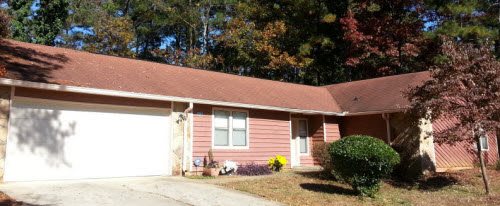
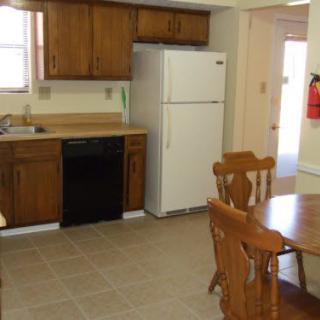
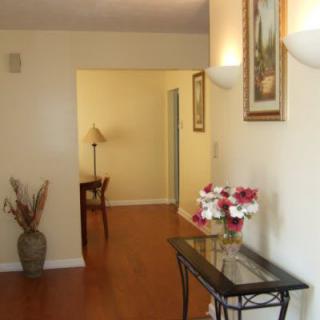
646 Post Road Drive, Stone Mountain, GA 30088
For more information about senior living options: (866) 208-4318
Epi Caregiving Costs & Pricing
Epi Caregiving offers private room accommodations at a competitive monthly rate of $2,700. When comparing this to the local market, DeKalb County presents a lower average cost of $2,415 for similar services, while the broader state of Georgia shows a higher average rate of approximately $2,864. This positions Epi Caregiving as a slightly premium option relative to DeKalb County but still more affordable than the statewide average. Such pricing reflects not only the quality and scope of care provided but also the unique advantages that come with choosing Epi Caregiving in terms of personalized attention and specialized services tailored to individual needs.
| Floor plans | Epi Caregiving | DeKalb County | Georgia |
|---|---|---|---|
| Private | $2,700 | $2,415 | $2,864 |
Assisted Living communities with a similar price nearby
-
from -$200 / mo
Eden Home Care
$2,500 / month13.7 miles away -
from -$200 / mo

A & C Personal Care Home
$2,500 to $4,000 / month4.8 miles away -
from -$400 / mo
Comfort Care Personal Care Home
$2,300 / month4.9 miles away -
from +$110 / mo
Vitality Living Milton
$2,810 to $5,515 / month23.0 miles away -
from -$450 / mo
EPOCH Assisted Living of Roswell
$2,250 to $4,400 / month20.4 miles away
Overall Review of Epi Caregiving
Pros
 The place is very clean, with a very pleasant and caring staff.
- The mother is very well cared for.
- Pauline Robinson, the owner, is a nurse by trade and very warm and compassionate.
- The live-in caregiver, Ms. Leoni, is a wonderful person.
- The facility allows decorating the resident’s room after move-in.
- The mother happily lived at Epi Caregiving until she passed away.
- Three meals a day were prepared for the residents.
- The quality of care was outstanding, and the reviewer gives Epi Caregiving a heartiest endorsement.
Review
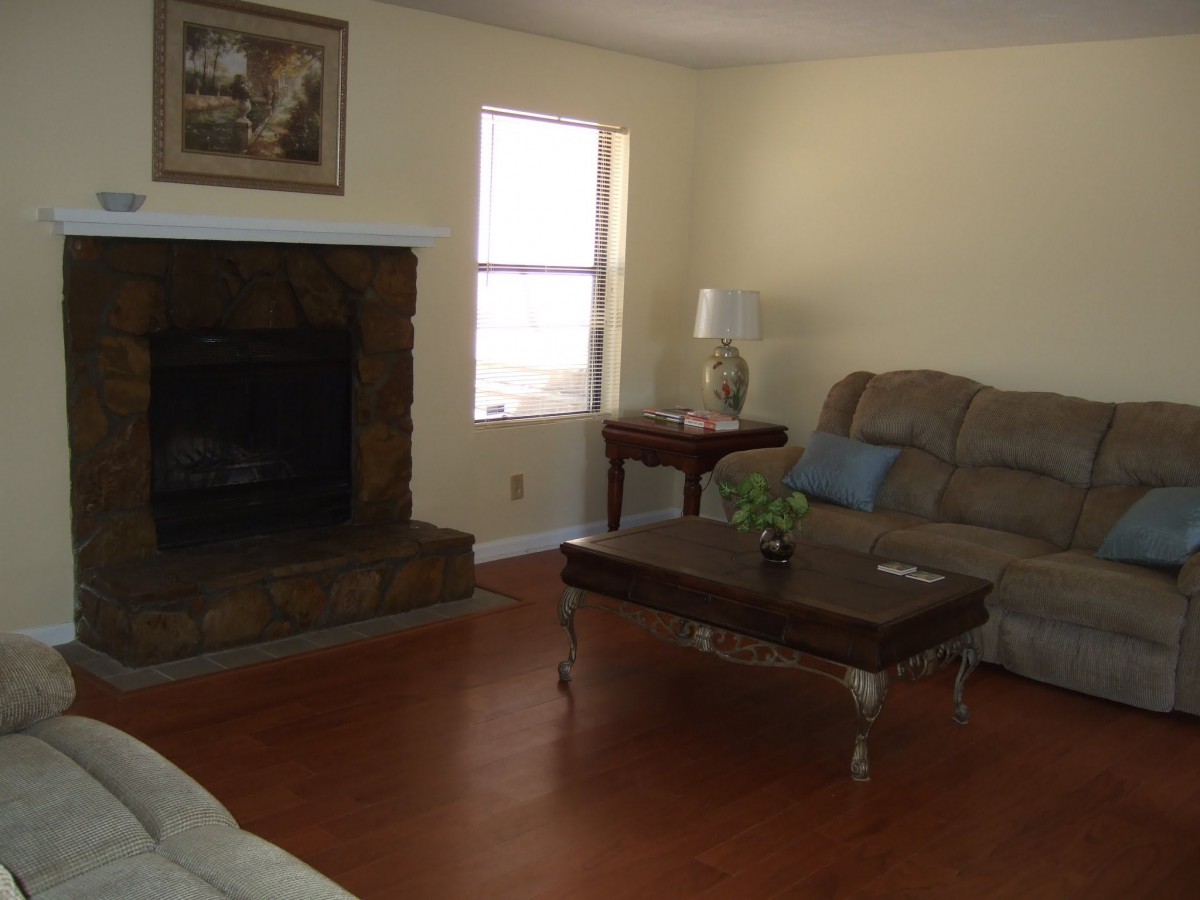
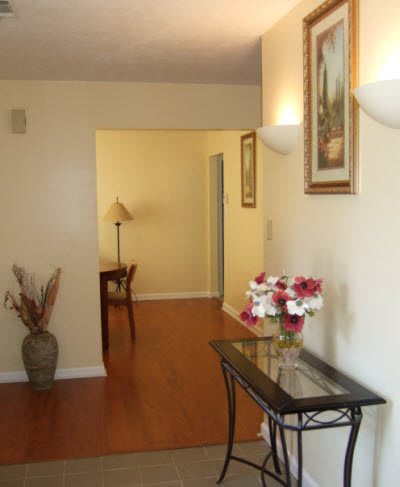
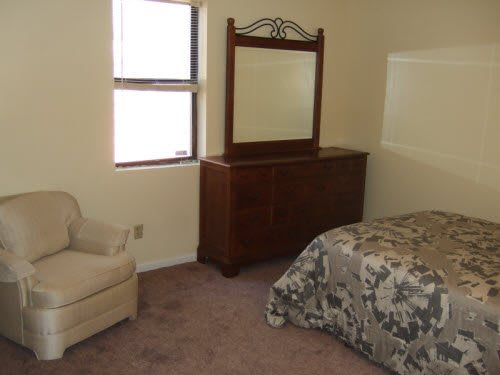
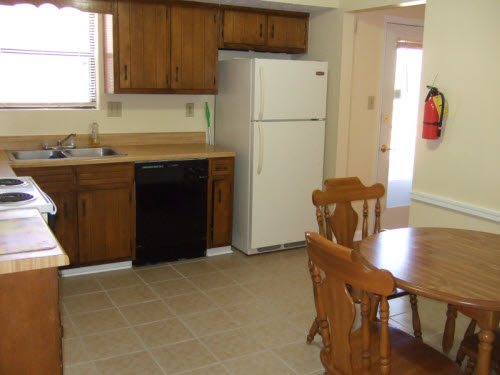
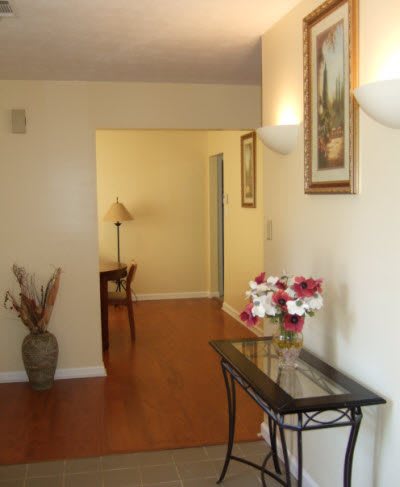
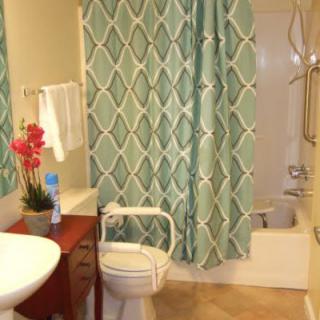
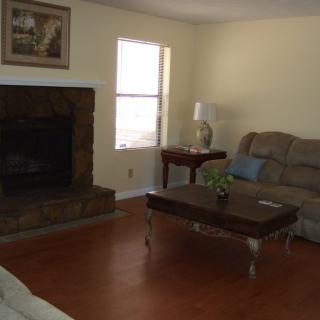
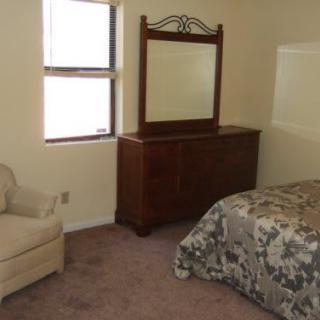
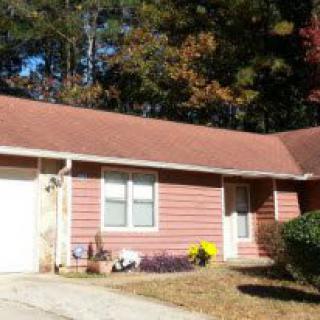
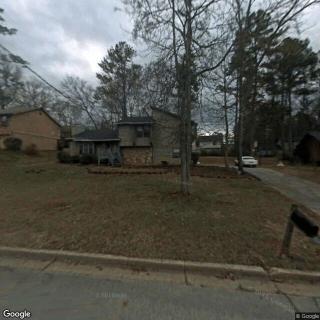
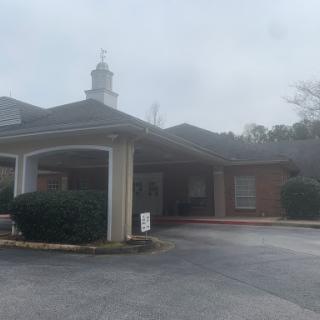
Epi Caregiving in Stone Mountain, GA is best suited for seniors who value a quiet, home-like setting where care feels intimate and continuously supervised by a licensed professional. The community operates out of a single-story, three-bedroom residence with a fourth room occupied by the live-in caregiver, which translates into easy navigation, a sense of familiarity, and a level of oversight that larger facilities often cannot match. This arrangement is ideal for residents who want to avoid the institutional feel of big campuses while still receiving attentive daily assistance and reliable oversight.
Those considering alternatives should note that the home-style model may not align with every family’s priorities. If a resident seeks a bustling campus atmosphere, a wide menu of on-site activities, or more expansive medical and specialty services on site, a larger assisted living community may deliver a better fit. For individuals with higher-acuity needs, complex memory-care requirements, or a desire for a broader network of care providers and amenities, it is prudent to explore options that offer greater scale and a fuller spectrum of programming.
The strongest pros at Epi Caregiving center on quality, consistency, and a warm, personalized touch. The environment is notably clean, with a staff that communicates care through action and demeanor. The owner, Pauline Robinson, a nurse by training, brings medical credibility and a calm, compassionate leadership style to the operation, which reassures families that clinical judgment is present and accessible. The live-in caregiver, Leoni, stands out as a dependable, attentive presence who supports residents in meaningful, day-to-day ways. The facility’s ability to let families decorate a resident’s room demonstrates a commitment to comfort and personalization, reinforcing a sense of home. Three meals a day are provided, contributing to routine, nutrition, and ease for families who do not want to manage daily meal preparation for a loved one. The combination of cleanliness, professional leadership, and a dedicated caregiver yields a care experience that many families find outstanding and deeply reassuring.
These strengths offset the likely trade-offs inherent in a small, home-based operation. The intimate setting can limit the breadth of social programming and on-site amenities commonly found in larger campuses, and there may be fewer staff on hand during certain hours. Nevertheless, the nurse-owner’s medical grounding and the presence of a live-in caregiver substantially mitigate concerns about timely, competent responses to health needs. The highly personalized care, the ability to tailor a resident’s environment, and predictable routines provide stability and a sense of safety that can far outweigh the appeal of more expansive but less intimate options.
Practical diligence pays off here. Prospective families should verify who coordinates medical oversight on an ongoing basis, how emergencies are managed after hours, and what the exact caregiver-to-resident dynamic looks like day-to-day. Confirm whether the home can accommodate specific dietary requirements, mobility needs, and preferences for room setup or decor. It’s also wise to assess how social engagement and activities are structured in a small setting, and whether there is access to external medical services when needed. Understanding these details helps illuminate how the small-house model translates into sustained quality of care over time.
In the end, Epi Caregiving stands out as a compelling choice for seniors who prize a warm, individualized care experience delivered in a safe, single-family-style home, with nurse-led oversight and a dedicated live-in caregiver. It excels for families prioritizing consistent attention, a familiar environment, and the comfort of routines and personalization. It is less suited for those seeking the breadth of programming, large campus amenities, or extensive on-site clinical services that larger communities offer. When the resident’s priorities align with intimate, high-touch care and a home atmosphere, this option merits strong consideration.
 3 resident community capacity
 Assisted Living
 Board and Care Home
 Activities off-site
 Air-conditioning
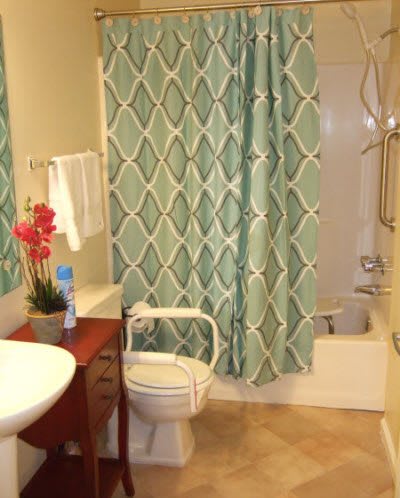
 Bath tubs
 Cable or satellite TV
 Dining room
 Fireplaces
 Fully furnished
 Garden
 Ground floor units
 Housekeeping services
 Indoor common areas
 Move-in coordination
 Outdoor common areas
 Private
 Respite or short term stays offered
 Telephone
 Wheelchair accessible showers
 Wi-Fi/high-speed internet available
 William B Hartsfield-Atlanta International (17 miles away)
 24-hour supervision
 Ambulatory care
 Assistance with bathing
 Assistance with dressing
 Assistance with transfers
 Diabetes diet
 Diabetic care
 High acuity care
 Incontinence care
 Meal preparation and service
 Medication management
 Special dietary restrictions
 Transportation arrangement (medical)
 Transportation to doctors appointments
 Birthday parties
 Christian services
 Stretching classes

 Understanding Medicaid Coverage for Assisted Living: A Comprehensive Guide
 How and When Medicaid May Cover Assisted Living Costs
 A Detailed Exploration of Assisted Living Medicaid Waivers Across the United States