

55 Plantation Drive, Stockbridge, GA 30281
To contact a resident: (678) 834-5837
For more information about senior living options: (866) 208-4318
Cottonfields Manor Costs & Pricing
Cottonfields Manor offers competitive pricing for its residential care services, with costs significantly lower than both the county and state averages. For a semi-private room, residents pay $1,500 per month, which is notably more affordable than the Rockdale County average of $1,926 and the Georgia state average of $2,529. Those opting for a private room will also find Cottonfields Manor's rate of $3,000 to be quite reasonable compared to the local cost of $2,363 and the state's average of $2,864. This pricing structure reflects Cottonfields Manor's commitment to providing quality care while maintaining accessibility for families seeking supportive living options in a comfortable environment.
| Floor plans | Cottonfields Manor | Rockdale County | Georgia |
|---|---|---|---|
| Semi-Private | $1,500 | $1,926 | $2,529 |
| Private | $3,000 | $2,363 | $2,864 |
Senior living communities with a similar price nearby
-
About the same
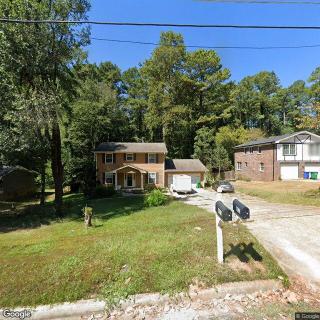
Americare Group
$1,500 / month17.7 miles away -
About the same
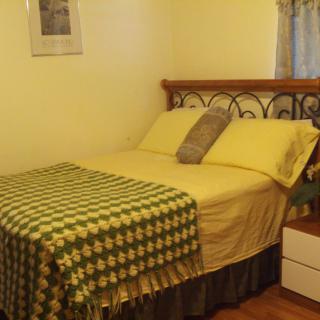
Lend A Hand Personal Care Home
$1,500 to $2,000 / month12.8 miles away -
from -$150 / mo
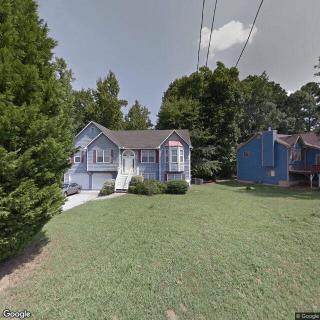
Le'glen Personal Care Home
$1,350 to $2,150 / month11.7 miles away -
from +$200 / mo

Rose's Premier Personal Care Home
$1,700 / month19.0 miles away -
About the same

Give Thanks to God PCH
$1,475 to $1,950 / month19.7 miles away
Overall Review of Cottonfields Manor
Pros
 They will take very good care of your loved one.
Cons
 The caregiver will not have a problem with taking things that do not belong to her.
Review
Cottonfields Manor in Stockbridge, GA is best suited for families seeking steady, hands-on daily care for seniors, particularly those facing memory challenges who benefit from a nurturing, home-like setting. The reviews available portray a staff that takes responsibility for daily needs, routines, and health monitoring with evident dedication. The atmosphere comes across as people-first: caregivers are present, responsive, and focused on maintaining basic comfort, routines, and regular supervision. For families prioritizing reliable caregiving and a palpable sense of ongoing support, this community delivers the core service well and can provide essential peace of mind during the care planning process.
That said, prospective residents should weigh a palpable risk around personal belongings. The reviews clearly flag concerns about how resident items are handled, with cautionary notes about belongings potentially being mismanaged or even taken, especially when dementia is involved. This understates the risk, but it is notable enough to affect trust in the environment for items that matter to families, valuables, keepsakes, or items with sentimental value. For households where securing personal property is nonnegotiable, Cottonfields Manor presents a red flag that warrants thorough digging into safeguards before any commitment.
These care strengths offset the property-safety caveat only to a degree. The practical value of dependable daily care, help with medications, nutrition, routines, and responsive assistance, offers real stability and reduces stress for families and residents. Yet the shadow cast by potential loss or misplacement of items cannot be dismissed; it directly touches the resident’s sense of security and the family’s confidence in the facility’s integrity. The 3-star rating from two reviews reflects a middle-of-the-road verdict: trustworthy, attentive care on one hand, and meaningful concerns about belongings on the other. That tension should drive diligence rather than complacency in decision-making.
To navigate this decision wisely, undertake targeted due diligence before any enrollment. Demand a clear, written policy on personal belongings and how items are tracked from move-in to move-out. Request a tour focused on how rooms are secured, what storage is available, and whether labeled inventories or resident item lists exist. Inquire about staff training regarding dementia and how staff respond to situations involving missing items. Ask about incident reporting, accountability measures, and any compensation framework for lost belongings. Where possible, speak with administrators and, if permissible, connect with current families to understand how these safeguards function in practice beyond the caregiving routine.
When weighing Cottonfields Manor against alternatives, measure the caregiving quality against the robustness of security practices. Look for memory-care specifics, programming, secure-perimeter features, wandering safety, and staff-to-resident ratios, that align with the resident’s cognitive needs. Value transparency: policies should be easy to document and revisit, with staff comfortable discussing past incidents and improvements. Consider practical logistics like proximity to medical facilities and family access, but prioritize a concrete plan to prevent item loss and a clear path for addressing concerns if they arise. The right facility will couple compassionate care with solid, verifiable protections for personal belongings.
Bottom line: Cottonfields Manor offers dependable, compassionate daily care and a warm environment that can support a resident who benefits from steady routines and attentive staff. The main caveat centers on personal-property safeguards, which must be resolved upfront with explicit policies and strong, verifiable safeguards. For families whose primary concern is rigorous protection of belongings and transparent accountability, alternatives with clearer security protocols and memory-care emphasis should be explored. If the pace of assurances and documented protections matches the level of care sought, Cottonfields Manor can be a solid, practical choice for the right resident, particularly when care needs are steady and memory challenges are manageable within a well-managed, caring setting.
 Board and Care Home
 Private
 William B Hartsfield-Atlanta International (18 miles away)






 Comprehensive Guide to Medicare Coverage for Hospice Care
 Caring for Those Who Care: Recognizing, Understanding, and Overcoming Caregiver Burnout
 Caregiver Exhaustion: Recognizing the Signs and Restoring Your Well-Being