
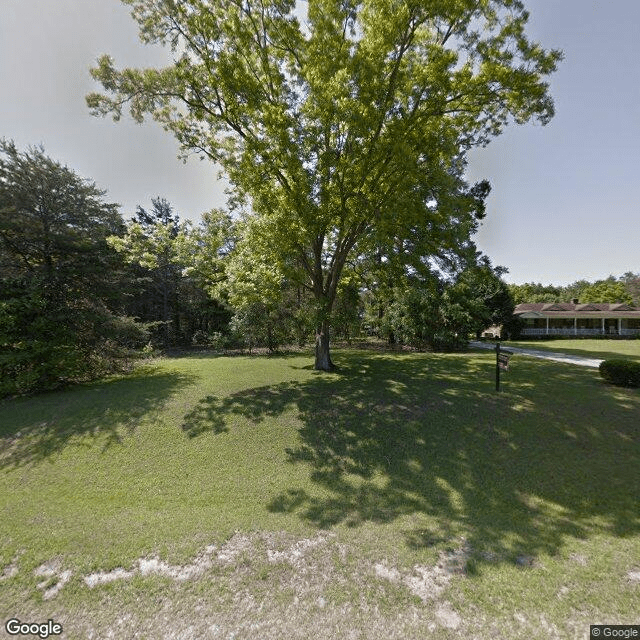
6735 Pulaski Highway, Statesboro, GA 30458
For more information about senior living options: (866) 208-4318
Southern Comfort Costs & Pricing
Southern Comfort offers competitive pricing for its accommodations when compared to both Bulloch County and the broader state of Georgia. For semi-private rooms, Southern Comfort is priced at $2,000 per month, slightly under the county's average of $2,011 and significantly lower than the state's average of $2,529. The private room option at Southern Comfort is set at $3,000, which is more economical than Bulloch County's average of $2,750 and still favorable compared to Georgia's statewide average of $2,864. Similarly, studio rooms are offered at a monthly rate of $3,000 - again presenting a cost advantage over Bulloch County's average of $2,910 and remaining below the state's higher average of $3,520. Overall, Southern Comfort positions itself as an affordable choice for potential residents seeking quality care without straining their budget.
| Floor plans | Southern Comfort | Bulloch County | Georgia |
|---|---|---|---|
| Semi-Private | $2,000 | $2,011 | $2,529 |
| Private | $3,000 | $2,750 | $2,864 |
| Studio | $3,000 | $2,910 | $3,520 |
Memory care communities with a similar price nearby
-
from +$200 / mo
The Gardens At Southern Manor
$2,200 to $2,650 / month7.6 miles away -
from +$300 / mo

Cedar Plantation Senior Living & Alz Community
$2,300 to $2,850 / month7.6 miles away
Overall Review of Southern Comfort
Pros
 They care about their patients.
- They are very good.
Cons
 They would never recommend this company to anyone looking for assisted living.
- They were disappointed with the care provided to their loved one.
- They were never attentive to her needs.
- They did not follow through on any promises to the family.
- The mother was neglected during her stay.
Review
Southern Comfort in Statesboro, GA is best suited for seniors who want a small-community feel with a clearly caring staff presence and who can benefit from attentive, personable interactions when oversight is feasible. The setting seems to reward residents who respond to warmth and consistent, hands-on attention from caregivers, rather than those needing advanced medical management or highly structured, 24/7 clinical support. In short, this is a fit for individuals who value relational care and family-involved oversight as a core part of daily life.
There are clear caveats that families should weigh heavily. Those who require unwavering, reliable attentiveness and dependable follow-through may want to consider alternatives. The strongest warning comes from a single, severe experience where care was described as neglected and promises not kept, leading to a rapid family decision to remove a loved one after a short stay. For residents with complicated or high-acuity needs, or for families unable to supervise care closely, the risk of inconsistent responsiveness is a critical consideration.
On the positive side, the prevailing sentiment in multiple reviews centers on genuine care from staff. The community earns credibility from statements that caregivers “care about their patients,” a description that, when it holds, translates into meaningful daily support, companionship, and a sense of being valued. In environments like this, such care quality can create moments of stability and reassurance for residents who respond well to friendly, attentive caregivers, and it lends legitimacy to the notion that a warm, person-first approach is possible here.
Yet the negative feedback cannot be dismissed. The allegation that a resident was neglected and that promises failed to materialize signals a fundamental reliability gap. For families, this is not a minor concern; it speaks directly to how emergencies are handled, how responsive staff really are, and whether care plans are enforced or ignored. The contrast between the positive references to care and a stark warning about neglect underscores a two-tier reality: warmth exists, but consistency may not, and that inconsistency can have serious consequences for vulnerable residents.
How the strengths offset the weaknesses depends on a family’s ability to demand accountability and implement close oversight. The pros, perceived warmth, staff engagement, and the sense that caregivers do care, mean that, when functioning well, residents experience meaningful companionship, timely help with daily tasks, and a respectful, dignified living environment. The cons, reports of neglect and unfulfilled commitments, underscore the necessity of rigorous, ongoing communication: concrete care plans, daily check-ins, clear escalation paths, and measurable goals. Without those guardrails, the positives risk becoming fleeting moments rather than steady, reliable care.
For anyone seriously considering Southern Comfort, approach with a clear plan: tour with specific questions about staff-to-resident ratios, supervision structure, and how care plans are updated and enforced; request real-time access to care notes and incident logs; insist on meeting direct care staff and reviewing references from current families. Propose a staged/trial period with milestones, and require written assurances on response times, medication administration, and emergency procedures. If the facility cannot provide transparent answers and concrete commitments, or if signs of staffing instability emerge, it is prudent to look elsewhere. When reliability is non-negotiable, the safer path is toward options with verifiable, consistent accountability and a proven track record of sustained, attentive care.
 6 resident community capacity
 Assisted Living
 Board and Care Home
 Memory Care
 Cable or satellite TV
 Dining room
 Fully furnished
 Garden
 Housekeeping services
 Move-in coordination
 Outdoor space
 Private
 Telephone
 Wi-Fi/high-speed internet available
 24-hour supervision
 Activities of daily living assistance
 Ambulatory care
 Assistance with bathing
 Assistance with dressing
 Assistance with transfers
 Diabetes diet
 Diabetic care
 High acuity care
 Incontinence care
 Meal preparation and service
 Medication management
 Special dietary restrictions
 Transportation arrangement (medical)
 Transportation to doctors appointments




 Estimating the Expenses of At-Home Dementia Care: A Detailed Exploration
 Comprehensive Insights on the Late Stages of Dementia: What to Expect and How to Provide Care
 Medications Associated with Dementia Risk: A Comprehensive Overview