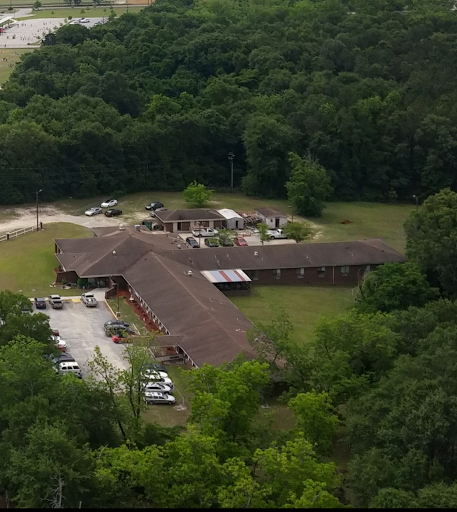
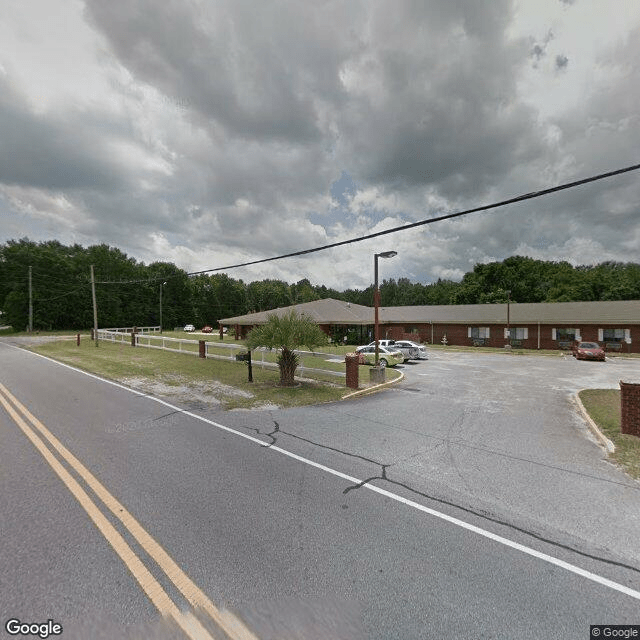
101 Stockyard Road, Statesboro, GA 30458
To contact a resident: (912) 764-6005
For more information about senior living options: (866) 208-4318
Overall Review of Westwood Nursing Center - Statesboro
Pros
 The staff are very attentive to the residents.
- The staff treat residents like family.
- The therapy department is on its job and the staff seem friendly.
- The DON is nice and understanding.
- The administrator is nice.
- The staff are excellent, caring, professional, compassionate, and kind.
- The facility is very clean, and the apartments are clean with a comfortable environment.
Cons
 They claim the facility is severely understaffed, with not enough licensed nurses and on-call doctors to cover residents, leading to inadequate care.
- They allege residents are being mistreated because CNAs and RNs lack knowledge of each patient’s needs and dietary restrictions.
- They describe the place as disgusting, with roaches, fruit flies, and mold in bathrooms and showers.
- They call it a terrible place and warn others not to bring loved ones there.
- They report ongoing understaffing and that RNs in charge come in late and spend long periods in the office while call lights go unanswered.
- They recount patients left in their own waste for hours and staff screaming at dementia patients.
- They claim the director is unaware of what CNAs are doing on their shifts, and care is not consistently aligned with residents’ needs.
Review
Westwood Nursing Center in Statesboro, GA is best suited for families seeking a compact, home-like setting where rehab-minded care and hands-on attention from frontline staff can greatly benefit residents with moderate needs and a heavy emphasis on therapy. This community can work well for individuals who respond to a warm, human-focused environment, where staff rapport and a family-like culture are real strengths and where daily advocacy from relatives can fortify care plans. It is less ideal for those who require around-the-clock, highly predictable medical oversight or en face supervision by licensed professionals at all hours.
Those weighing alternatives should note who may want to look elsewhere: residents with complex, high-acuity medical needs requiring constant licensed nursing coverage or immediate, seamless doctor access; families unwilling to invest time in close day-to-day monitoring and ongoing problem-solving with management; and anyone prioritizing private rooms, modern amenities, or a facility with a spotless, pest- and mold-free environment. Several reviews flag staffing gaps and safety concerns, and a few insist on private accommodations, more rigorous oversight, or a facility with stronger, consistent operations.
On the upside, the most compelling pros center on therapy and personal care. The therapy department earns frequent praise for being engaged and effective, with residents showing tangible gains and caregivers who truly push for progress. Across several positives, staff are described as attentive, compassionate, and capable, with consistent warmth from the DON and administrator in recent observations. Cleanliness and a comfortable, country-style ambiance bolster the perception of a caring home, and the two-to-a-room layout, while dated, creates a convivial, family-like atmosphere that some families value as more personal than a larger, impersonal campus. For families able to leverage this environment, the rehab-focused approach can translate into meaningful improvements.
Yet the cons cannot be minimized. Understaffing appears repeatedly as a core weakness, translating into uneven coverage and delayed responses to call bells. Documentation of misalignment between CNAs and residents’ individualized needs, plus concerns about dietary restrictions and medical orders not consistently being followed, create real risk if not actively managed. A number of blunt, negative anecdotes describe neglectful practices, moments of distress for vulnerable residents, and a hospital-like sense that vigilance from families is necessary to prevent lapses. Reports of pests and mold in some units further undermine confidence in basic sanitation, while references to an older facility with limited amenities remind prospective buyers that upgrades and modernization are uneven.
The key question becomes whether the strong rehabilitative and personal-care strengths can outweigh the operational fragility. For families who can maintain a steady presence, insist on clear care plans, and push for prompt, door-to-door communication with staff, Westwood offers a workable path to meaningful recovery and daily quality of life. However, for those who cannot tolerate variability in nursing attention, or who demand near-perfect cleanliness, immediate medical responsiveness, and private rooms, the risks are significant enough to warrants serious alternatives. The decision hinges on risk tolerance, willingness to monitor closely, and the ability to align expectations with a facility that prizes warmth and rehab pace while contending with staffing and maintenance challenges.
In practical terms, a prospective resident or family should schedule multiple in-person visits at different times, interrogate shifts for RN and CNA coverage, and request a direct line of accountability with the DON and administrator. Ask for the latest state inspection results, staffing ratios by shift, and concrete examples of how care plans are implemented across disciplines. If choosing Westwood, prepare for active involvement: review daily care notes, confirm medication management, and set expectations for timely response to call bells. If these conditions cannot be met, or if a private-room preference and unquestioned oversight are non-negotiable, it is prudent to explore other local options first. For the right resident, one who values rehab focus, a familial tone, and engaged staff with vigilant family involvement, Westwood can still be a solid, if imperfect, match.
 60 resident community capacity
 Skilled Nursing Facility
 Air-conditioning
 Beauty salon
 Cable or satellite TV
 Computer center
 Dining room
 Fitness room
 Fully furnished
 Gaming room
 Garden
 Housekeeping services
 Kitchenette
 Move-in coordination
 Outdoor space
 Private bathrooms
 Restaurant-style dining
 Small library
 Telephone
 Wellness center
 Wi-Fi/high-speed internet available
 Community operated transportation
 12-16 hour nursing
 24-hour call system
 Activities of daily living assistance
 Assistance with bathing
 Assistance with dressing
 Assistance with transfers
 Diabetes diet
 Medication management
 Mental wellness program
 Special dietary restrictions
 Concierge services
 Planned day trips


 In-Depth Look at the VA Aid and Attendance Program
 Nurturing Our Loved Ones: A Daughter's Journey in Caring for Her Mother
 Nurturing Our Elders: Linda's Journey of Supporting Her Mother