
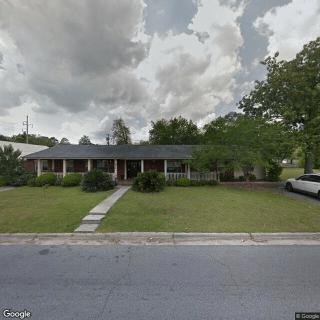
204 West Colquitt Street, Sparks, GA 31647
For more information about senior living options: (866) 208-4318
Overall Review of The Rachel House
Pros
 The staff is very caring.
- They take very good care of the residents.
- My mom loves it there.
- They make sure she has everything she needs.
- She is very happy and well taken care of.
- The staff communicate with us frequently and let us know how she is doing.
- They are so professional and answer questions in a timely manner.
Cons
 The staff were very hard to work with.
- They did not provide care to the mother.
- The family was not notified when she fell.
- They refused to provide a transportation report and accused the family of implying she wasn’t being taken to appointments.
- The owner and staff gave three different explanations about the fall and EMS transport.
- The staff refused to check on her when asked and would not call EMS.
- The staff were rude and disrespectful to the family and residents.
Review
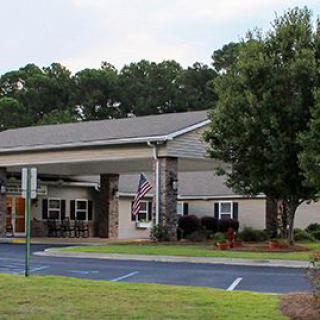
The Rachel House in Sparks, GA is best suited for seniors who need light to moderate assistance and who prize a warm, home-like atmosphere where staff interaction is front and center. Families that value frequent, candid communication and a sense that daily needs are anticipated and met will find this community aligns with those expectations. The environment appears to emphasize personal connection, active daytime living, and a belonging that comes from attentive caregivers who know residents by name. For someone who wants a caregiving team that feels involved and approachable, this option stands out as a solid fit.
Those who may want to consider alternatives include families prioritizing stringent medical oversight, ironclad incident reporting, or a demonstrated, consistently flawless safety track record. A troubling review alleging delayed notification after a fall, conflicting explanations from staff and management, and refused access to transportation records raises legitimate concerns about reliability and transparency. For residents with higher medical needs, complex post-acute requirements, or a history of falls and dehydration, communities with on-site nursing, stricter safety protocols, and more transparent documentation may provide the reassurance required.
The strongest pros, caring staff, professional conduct, and proactive family communication, tend to translate into tangible peace of mind. When caregivers are described as kind, responsive, and attentive to every detail of daily living, families gain confidence that basic needs, hydration, nutrition, and appointment logistics are being managed. The frequent updates and open lines of communication help bridge the distance between home and the community, reducing anxiety about a loved one’s well-being. In practice, these positives often offset the fear of loss of independence by delivering a predictable, human-centered rhythm to each day.
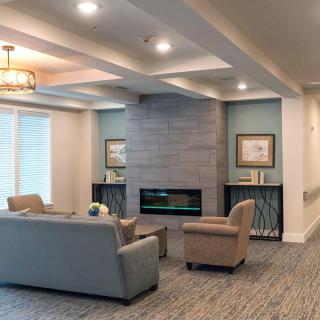
Another clear advantage is the sense of belonging created by an active resident community. Reviews highlight opportunities for social engagement and a home-like routine that makes residents feel seen and valued. This social infrastructure can mitigate loneliness, support mood, and sustain engagement in activities that contribute to overall quality of life. For families, witnessing regular interaction, visible care, and a welcoming, “home away from home” atmosphere can be a decisive factor when weighing placement options, especially for those seeking continuity of daily life in a supportive setting.
Nevertheless, the documented negative experience cannot be overlooked. The reported failure to notify a family about a serious fall, inconsistent explanations from staff, and the withholding of transportation details signal potential gaps in safety oversight and accountability. This kind of inconsistency undermines trust and elevates risk for residents who rely on staff for rapid response and accurate information. To guard against repetition, prospective families should insist on concrete, written assurances: a current care plan with specific fall-prevention measures, an accessible incident log, guaranteed prompt family notification in emergencies, and documented staff training on emergency recognition and escalation. A frank discussion about EMS protocols, response times, and a clear path for escalating concerns is essential before any commitment.
In the end, The Rachel House offers a compelling option for families seeking a warm, engaging, and communicative environment where residents feel connected and cared for. It is a strong choice when safety processes are transparent and consistently applied, and when staff interactions can be trusted to be attentive and proactive. For families prioritizing rigorous medical oversight, exhaustive incident transparency, or a track record of flawless safety management, exploring alternatives with stronger nursing coverage and more predictable reporting may be prudent. A targeted visit, asking for care plans, staffing details, recent inspection outcomes, and references, will provide the practical clarity needed to determine if this community matches the specific safety, care, and lifestyle priorities of the individual being placed.
 12 resident community capacity
 Assisted Living
 Board and Care Home
 Cable or satellite TV
 Dining room
 Fully furnished
 Garden
 Housekeeping services
 Move-in coordination
 Outdoor space
 Telephone
 Wi-Fi/high-speed internet available
 24-hour supervision
 Activities of daily living assistance
 Assistance with bathing
 Assistance with dressing
 Assistance with transfers
 Diabetes diet
 Meal preparation and service
 Medication management
 Special dietary restrictions
 Transportation arrangement (medical)
 Transportation to doctors appointments

 Funding and Affording Assisted Living: A Thorough Overview
 Assisted Living Expenses and Long-Term Care Insurance: A Comprehensive Exploration
 Securing Financial Support for Assisted Living: A Comprehensive Overview