Sparks Retirement Home in Sparks, GA

Information last verified:

304 South Goodman Street, Sparks, GA 31647

For more information about senior living options: (844) 490-3973

3 from 3 reviews
5 stars
1
4 stars
0
3 stars
1
2 stars
0
1 stars
1

Overall Review of Sparks Retirement Home

Pros

  • pro The uncle sounds happy and genuinely cared for at Growth Bridge Sparks Personal Care Home.
  • pro He feels part of a community where he is known, talked to, and treated with respect.
  • pro The staff are warm, attentive, and genuinely care for the residents.
  • pro The home is clean, well-run, and has heart.
  • pro Being in a place where he is respected, included, and cared for brings the family real peace.

Cons

  • pro The reviewer felt the facility was not set up for people like them.
  • pro They had issues with the shower and getting in and out, and described the owner and staff as not good.
  • pro They claimed mail and personal belongings were being held hostage and not sent.
  • pro They stated they would never recommend the place to anyone.

Review

This community is best suited for seniors who prize a genuine sense of belonging and relational, person-centered care in a home-like setting. Families with residents who want to be known, spoken to, and treated as individuals will find the most value here. The atmosphere leans toward warmth, conversation, and everyday connection rather than clinical formality, and the staff turnover appears low enough that residents build familiar relationships. In practice, that translates into residents feeling seen, included, and emotionally held by people who understand their life stories. The house itself supports this vibe: clean, well‑kept, and run with a visible emphasis on hospitality and heart. For a resident who thrives on steady, familiar faces and a small-community feel where staff recognition and personal rapport drive daily life, Sparks can be a strong fit.

Yet this is not a fit for every senior. Those who require a higher level of structural support, more formalized administration, or a modern, open, highly navigable layout may want to consider alternatives. The most salient caveat is alignment with personal needs around safety, independence, and property management. A resident who relies on prompt, professional handling of day-to-day issues, especially mobility assistance, shower transfers, or rapid response to concerns, may encounter friction here if operations aren’t consistently responsive. Potential residents should weigh the intimate, homey environment against the risk of gaps in procedural efficiency and accountability. In short, households with complex medical schedules, frequent changing care plans, or anxieties about administrative reliability may find the balance tilts toward alternatives.

The strongest positives center on relational care that feels tangible and heartfelt. Families report that the staff are warm, attentive, and genuinely invested in residents’ well‑being. A resident who feels respected and included, someone who isn’t merely managed but understood as a person with a life and a story, will benefit from this “heart-first” approach. The care philosophy translates into daily interactions that reduce loneliness and elevate dignity. The facility also earns confidence on cleanliness and day-to-day management; residents are cared for with attention and a sense that the home can be trusted to stay orderly and clean. When a senior’s emotional needs are top of mind, the combination of welcome staff and a communal atmosphere can offset a lot of the anxiety that often accompanies transitions to assisted living.

That said, concrete downsides exist and they should not be minimized. One reviewer described feeling unwelcome as a result of management and staffing dynamics, highlighting issues around mobility accommodations and the handling of personal belongings. The report cites problems with shower access and overall responsiveness, suggesting that for certain residents, especially those with advanced mobility limits or those who rely on careful administrative handling, the operation may fall short of expectations. The accusation that a resident’s mail and boxes were withheld compounds concerns about reliability and trust. While this is one voice among three, it signals a real risk: when operational friction surfaces, it can erode the peace of mind families seek when entrusting a loved one to care.

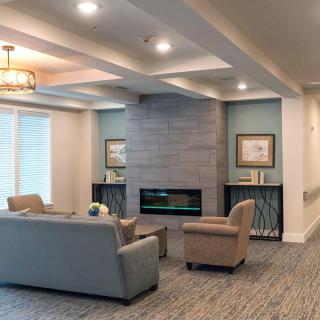
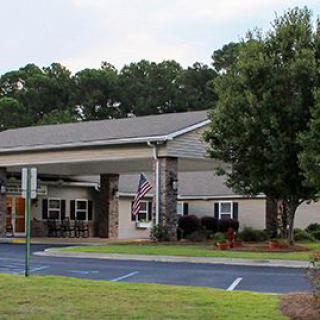
Another practical concern rotates around the physical layout. The house is described as an older converted home that is clean but somewhat cluttered with a flow that doesn’t feel optimal. For residents with mobility challenges or those who require straightforward navigation to daily activities, a lack of easy wayfinding and a tighter floor plan can feel restrictive. Safety rails and basic precautions are in place, but the subjective experience of an elderly person moving through a winding floor plan or cramped spaces can influence independence and confidence. In this light, the pros of intimate attention and a strong communal culture must be weighed against the realities of an older building whose layout can complicate routines, especially when energy or mobility fluctuates.

Ultimately, the decision rests on balancing relational strength against operational vulnerabilities. For families whose priority is a warm, engaged community and staff who treat residents with genuine respect, the pros can outweigh the cons. The personal connection, sense of belonging, and the claim that residents are more than “warehoused” are powerful levers that translate into meaningful quality of life. However, for those whose loved one requires precise, reliable admin processes, prompt mobility assistance, or a facility with a more open, modern floor plan, the cons may prove decisive. The question becomes: how much value is placed on day-to-day emotional nourishment versus flawless execution of logistical and safety protocols?

Practical steps for families considering Sparks start with clear, proactive inquiry. Schedule visits at different times to observe how staff interact with residents during morning routines, meals, and quiet moments. Ask directly about shower assistance, transfer support, and how mobility needs are assessed and addressed. Inquire about mail and personal belongings policies, including how items are stored, retrieved, and delivered, and request a recent example of how a concern has been handled to gauge responsiveness. Review the care plan process: how often it’s updated, who signs off, and how residents’ preferences are incorporated. Finally, consider a trial period if possible, or a short-term stay to test compatibility with the resident’s personality, routines, and safety needs. When the fit is right, Sparks delivers a community where life feels lived, not managed; when the match isn’t, alternatives with more robust administrative discipline and modern layouts will generally serve better.

Features

Housing

  • 24 resident community capacity 24 resident community capacity

Types of Care

  • Assisted Living Assisted LivingAssisted living facilities provide crucial support and care for seniors who may need help with daily tasks such as medication management, bathing, and meal preparation. These communities offer a safe and comfortable environment where seniors can maintain their independence while receiving the assistance they need to thrive in their golden years.

Amenities

  • Beauty salon Beauty salonBeauty salons are important for seniors because they provide a space for them to feel pampered, socialize, and maintain their personal grooming and hygiene. Regular visits to a beauty salon can help boost seniors' self-esteem and overall well-being.
  • Cable or satellite TV Cable or satellite TVCable or satellite TV is important for seniors because it provides entertainment, news, and companionship, helping to combat loneliness and boredom. It also offers a wide range of programming options tailored to different interests and preferences.
  • Dining room Dining roomDining rooms are important for seniors as they provide a space for socialization, connection, and nutritious meals. They offer opportunities for residents to bond over shared meals, foster a sense of community, and promote healthy eating habits. Dining rooms also ensure that seniors have access to well-balanced meals tailored to their dietary needs and preferences.
  • Fully furnished Fully furnishedFully furnished senior living communities are important for seniors because they provide convenience, comfort, and a hassle-free moving experience. Seniors can easily settle into their new living space without the stress of having to buy and move furniture. This allows them to focus on enjoying their new home and community.
  • Garden GardenGardens are important for seniors as they provide a peaceful and therapeutic environment for relaxation, physical activity, and socialization. Being in nature has been shown to reduce stress, improve mood, and promote overall well-being. Gardens also offer opportunities for seniors to engage in gardening activities, which can improve mobility, flexibility, and cognitive function. Additionally, gardens create a sense of community and connection with others who share a passion for plants and outdoor spaces.
  • Housekeeping services Housekeeping servicesHousekeeping services are important for seniors because they help maintain a clean and safe living environment, promote independence, and reduce the risk of accidents or illnesses. Additionally, having assistance with household chores can alleviate physical strain and allow seniors to focus on other aspects of their well-being.
  • Kitchenette KitchenetteKitchenettes are important for seniors living in senior living communities because they provide the convenience and independence of being able to prepare simple meals and snacks in the comfort of their own living space. This can help promote a sense of autonomy and well-being for seniors, allowing them to maintain some level of control over their dietary choices and daily routines.
  • Move-in coordination Move-in coordinationMove-in coordination is important for seniors because it helps ease the transition into their new living environment. It ensures that all logistics, such as packing, organizing movers, and setting up utilities are taken care of, allowing seniors to focus on settling in and adjusting to their new home. Having a smooth move-in process can alleviate stress and anxiety, making the transition smoother and more enjoyable for seniors.
  • Outdoor space Outdoor spaceOutdoor spaces are important for seniors as they provide opportunities for physical activity, social interaction, exposure to natural light and fresh air, and a sense of connection to nature. Having access to outdoor spaces can improve overall well-being and quality of life for older adults living in senior communities.
  • Restaurant-style dining Restaurant-style diningRestaurant-style dining is important for seniors because it allows them to enjoy delicious, nutritious meals in a social and upscale setting. This enhances their dining experience, promotes healthy eating habits, and fosters socialization with fellow residents, ultimately contributing to their overall well-being and quality of life.
  • Small library Small librarySmall libraries are important for seniors as they provide access to a variety of reading materials, including books, newspapers, and magazines. This can help stimulate their minds, keep them engaged, and provide a sense of community through book clubs and other social activities. Additionally, reading has been shown to improve cognitive function and overall mental well-being in older adults.
  • Telephone TelephoneTelephones are important for seniors as they provide a lifeline for communication with loved ones, emergency services, and healthcare providers. They offer a sense of security and independence, enabling seniors to stay connected and access assistance when needed.
  • Wi-Fi/high-speed internet available Wi-Fi/high-speed internet availableWi-Fi/high-speed internet is important for seniors to stay connected with loved ones, access online resources, and participate in virtual activities to combat feelings of loneliness and isolation. It also allows them to easily manage healthcare needs, access entertainment, and engage in lifelong learning opportunities.

Care Services

  • 24-hour call system 24-hour call system24-hour call systems are important for seniors because they provide peace of mind and immediate assistance in case of emergencies. This technology ensures that help is always available, promoting safety and security for elderly individuals living alone or in assisted living facilities.
  • 24-hour supervision 24-hour supervision24-hour supervision is important for seniors to ensure their safety, well-being, and access to immediate assistance in case of emergencies or health issues. This constant support provides peace of mind for both seniors and their loved ones, allowing them to age in place with dignity and security.
  • Activities of daily living assistance Activities of daily living assistanceActivities of daily living assistance are important for seniors because they provide essential support with tasks such as eating, bathing, dressing, and mobility. This assistance helps seniors maintain their independence, dignity, and overall quality of life as they age.
  • Assistance with bathing Assistance with bathingAssistance with bathing is crucial for seniors as it helps maintain personal hygiene, prevents infections, and ensures their overall well-being and comfort. It also provides a sense of dignity and independence for seniors who may struggle with this task on their own.
  • Assistance with dressing Assistance with dressingAssistance with dressing is important for seniors because it helps maintain their independence, promotes personal hygiene, prevents accidents and injuries, and improves overall quality of life. This service ensures that seniors can continue to dress comfortably and confidently, despite any physical limitations they may have.
  • Assistance with transfers Assistance with transfersAssistance with transfers is crucial for seniors as it helps prevent falls and injuries, maintains their independence, and ensures they can safely navigate their living environment. It also provides peace of mind for both seniors and their loved ones.
  • Diabetes diet Diabetes dietA diabetes diet is crucial for seniors as it helps manage blood sugar levels, reduce risks of complications, and improve overall health and well-being. By following a balanced and nutritious diet tailored to their specific needs, seniors can better control their diabetes and enhance their quality of life.
  • Meal preparation and service Meal preparation and serviceMeal preparation and service are crucial for seniors as they may have limited mobility or energy to cook nutritious meals. Having access to healthy and convenient food options can ensure they are getting the proper nutrition needed to maintain their overall health and well-being.
  • Medication management Medication managementMedication management is crucial for seniors to ensure they are taking the right medications at the correct dosages and times. This helps prevent adverse drug interactions, reduces the risk of medication errors, and promotes overall health and well-being. Proactive management also allows for adjustments as needed based on changing health conditions or new prescriptions.
  • Mental wellness program Mental wellness programMental wellness programs are essential for seniors as they promote cognitive stimulation, emotional support, and social engagement. These programs help prevent isolation, depression, and cognitive decline, ultimately enhancing the overall quality of life for older adults.
  • Special dietary restrictions Special dietary restrictionsSpecial dietary restrictions are important for seniors because age-related changes in metabolism and health conditions can make it difficult for their bodies to process certain foods. By following a diet tailored to their specific needs, seniors can maintain their overall health and well-being, manage chronic conditions, and reduce the risk of complications such as malnutrition or food interactions with medications.

Dining

  • Diabetes diet Diabetes dietA diabetes diet is crucial for seniors as it helps manage blood sugar levels, reduce risks of complications, and improve overall health and well-being. By following a balanced and nutritious diet tailored to their specific needs, seniors can better control their diabetes and enhance their quality of life.
  • Special dietary restrictions Special dietary restrictionsSpecial dietary restrictions are important for seniors because age-related changes in metabolism and health conditions can make it difficult for their bodies to process certain foods. By following a diet tailored to their specific needs, seniors can maintain their overall health and well-being, manage chronic conditions, and reduce the risk of complications such as malnutrition or food interactions with medications.

Activities

  • Community-sponsored activities Community-sponsored activitiesCommunity-sponsored activities are important for seniors as they provide opportunities for social interaction, mental stimulation, and physical activity. These activities can help improve overall well-being, combat loneliness and isolation, and promote a sense of belonging and purpose among older adults.
  • Resident-run activities Resident-run activitiesResident-run activities are important for seniors as they encourage social interaction, creativity, and a sense of autonomy. These activities empower seniors to stay engaged and active in their community while fostering meaningful connections with their peers.
  • Scheduled daily activities Scheduled daily activitiesScheduled daily activities are important for seniors because they provide structure, socialization, mental stimulation, and physical activity. Engaging in regular activities can improve overall well-being and quality of life for seniors living in a community setting.

Description

Sparks Retirement Home is a comfortable and welcoming assisted living community located in Sparks, GA. Our community offers a range of amenities to ensure that our residents have everything they need to live a fulfilling and enjoyable retirement.

Each living space is fully furnished and includes cable or satellite TV, allowing our residents to relax and unwind in the comfort of their own home. Our dining room provides delicious meals prepared by our skilled chefs, served in a restaurant-style setting. We also accommodate special dietary restrictions to ensure that all of our residents feel satisfied and cared for.

At Sparks Retirement Home, we understand the importance of maintaining an active lifestyle. Our community features outdoor spaces and gardens for residents to enjoy fresh air and beautiful surroundings. Additionally, we offer resident-run activities and scheduled daily activities to keep our residents engaged and entertained.

Our care services are designed to provide around-the-clock support, ensuring that our residents receive the assistance they need with activities of daily living, such as bathing, dressing, and transfers. Our caring staff also provides medication management services and follows specialized diets like diabetes diets when necessary. We prioritize mental wellness through our dedicated program.

Conveniently located near parks, pharmacies, physicians' offices, restaurants, transportation options, places of worship, and hospitals – our community ensures easy access to essential services for the comfort and convenience of our residents.

At Sparks Retirement Home, we are committed to providing a safe and nurturing environment where seniors can thrive in their golden years. Come join us today!

Nearby Places of Interest

Parks

  • Sparks City Hall (0.2 miles)
  • Reed Bingham State Park (2 miles)
  • Reed Bingham State Park (6.2 miles)

Places of Worship

  • Cottrell Chapel Cme Church (0.4 miles)
  • Jehovah's Witnesses Kingdom Hall (1.7 miles)
  • Path (1.7 miles)
  • Piney Grove Missionary Baptist (1.8 miles)
  • Westside Baptist Church (2.1 miles)
  • Southern Baptist Convention (2.2 miles)
  • Adel United Methodist Church (2.2 miles)

Restaurants

  • A J's Country Kitchen (1.5 miles)
  • Domino's Pizza (1.7 miles)
  • Western Sizzlin (1.8 miles)
  • Sunrise Diner (1.8 miles)
  • Wendy's (1.9 miles)
  • China Buffet Restaurant (2 miles)
  • McDonald's (2 miles)

Pharmacies

  • Chancy Drugs (1.5 miles)
  • U-Save-it Pharmacy (2 miles)
  • Harveys Supermarkets (11.5 miles)
  • Good Neighbor Pharmacy (11.6 miles)
  • Chancy Drugs (12.6 miles)

Physicians

  • Adel Family Medicine (1.5 miles)
  • Family Vision Care (1.7 miles)
  • Family Health Center of Adel (1.7 miles)
  • G & G Family Medicine (12.6 miles)

Hospitals

  • Cook Medical Center (1.6 miles)
  • Memorial Hospital Of Adel (1.6 miles)
  • Cook Medical Center, A Campus of Tift Regional Medical Center (1.6 miles)
  • Cook County Mental Health Center (3.8 miles)
  • Southwell Medical (3.9 miles)
  • SGMC Berrien Campus (12 miles)
  • Berrien County Hospital (12 miles)

Transportation

  • Azalea Aviation (1.9 miles)
  • Adel taxi (2.1 miles)
  • U-Haul Neighborhood Dealer (10.1 miles)
  • U-Haul Neighborhood Dealer (11.6 miles)

Frequently Asked Questions

Where is Sparks Retirement Home?

Nearby Communities

  • Golden Retreat

    Golden Retreat

    Sparks, GA

    4.5 from 2 reviews
     

    pro Clean, cozy home-like setting with caring staff, private rooms and good meals.

  • The Rachel House

    The Rachel House

    Sparks, GA

    4.3 from 6 reviews
     

    pro Small, intimate setting (12 residents) with comprehensive daily living support.

  • Serenity

    Serenity

    Sparks, GA

    4.2 from 6 reviews
     

    pro Comfortable, home-like setting with personalized care and on-site activities.

  • Cook Senior Living Center

    Cook Senior Living Center

    Adel, GA

    4 from 3 reviews
     

    pro Extensive amenities and services (restaurant-style dining, wellness programs, transportation, beauty salon, fitness room, activities) for a vibrant senior living experience.

  • Groves Home

    Groves Home

    Adel, GA

    3.8 from 12 reviews
     

    pro Fully furnished with 24/7 care and restaurant-style dining

  • West 500

    West 500

    Adel, GA

    4.7 from 23 reviews
     

    pro 24/7 supervision with comprehensive care and restaurant-style dining plus outdoor and social amenities

  • Colquitt Garden Manor

    Colquitt Garden Manor

    Moultrie, GA

    3.3 from 4 reviews
     

    pro 24/7 supervision with diabetes-focused care and a wide range of on-site amenities.

  • Canopy at Azalea Grove

    Canopy at Azalea Grove

    Valdosta, GA

    4.4 from 50 reviews
    $3,100 to $3,875 / month

    pro Friendly, professional staff with a strong sense of community and fresh meals.

  • Legacy Village Of Tifton

    Legacy Village Of Tifton

    Tifton, GA

    4.6 from 27 reviews
    $2,500 to $4,600 / month

    pro Friendly staff in a clean, well-maintained setting with engaging activities and quality dining.

Related Resources

  • does medicaid pay for assisted livingHow and When Medicaid May Cover Assisted Living Costs

    Medicaid coverage for assisted living varies by state and is primarily available to low-income individuals, with eligibility dependent on strict income and asset limits. Some states offer HCBS waivers for specific services in assisted living, but families must generally cover room and board costs, and should verify facility acceptance of Medicaid while considering potential waiting lists.

  • assisted living waiver programA Detailed Exploration of Assisted Living Medicaid Waivers Across the United States
    Medicaid waivers for assisted living services provide vital support for seniors and individuals with disabilities in need of long-term care, with varying state-specific eligibility criteria and benefits. These waivers cover personal care and case management but often do not fully cover room and board, leading to waiting lists for many applicants.

  • assisted living for disabled adultsComprehensive Residential Support and Assisted Living Solutions for Individuals with Disabilities

    The article examines the complexities of assisted living for individuals with disabilities, emphasizing the need for tailored care solutions that enhance quality of life and social inclusion, while addressing financial challenges and advocating for community integration. It discusses various housing options, the importance of financial assistance through public benefits, and highlights trends towards integrated and technology-driven solutions in disability-focused housing.