

3676 Lee Road, Snellville, GA 30039
For more information about senior living options: (866) 208-4318
Kind Hearts Pch Costs & Pricing
At Kind Hearts PCH, the monthly cost for a private room is set at $2,500. This pricing positions it competitively within Rockdale County, where the average cost for similar accommodations is approximately $2,363. When compared to the broader state of Georgia, which sees an average rate of around $2,864 for private rooms, Kind Hearts PCH offers a compelling value for families seeking quality care in a nurturing environment. This thoughtful pricing strategy reflects our commitment to providing exceptional support while remaining accessible to those we serve.
| Floor plans | Kind Hearts Pch | Rockdale County | Georgia |
|---|---|---|---|
| Private | $2,500 | $2,363 | $2,864 |
Assisted Living communities with a similar price nearby
-
About the same
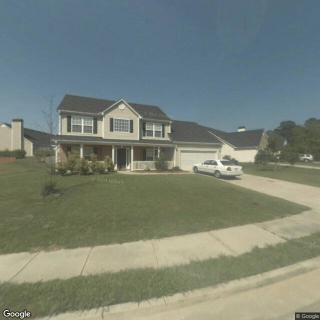
Eden Home Care
$2,500 / month6.8 miles away -
About the same

A & C Personal Care Home
$2,500 to $4,000 / month4.3 miles away -
from -$200 / mo
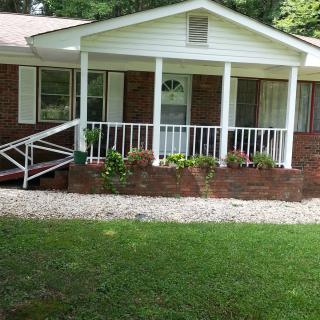
Comfort Care Personal Care Home
$2,300 / month7.2 miles away -
from -$400 / mo
Marieta's Mission Personal Care Home
$2,100 to $2,550 / month15.9 miles away -
from +$100 / mo

Mimosa Assisted Living
$2,600 to $3,500 / month7.1 miles away
Overall Review of Kind Hearts Pch
Pros
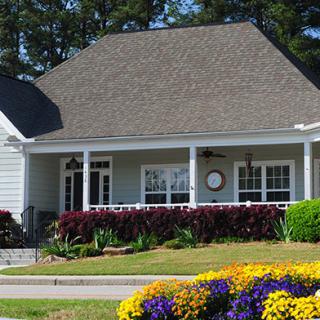
 The home is very beautiful.
- It has quiet surroundings.
- It features a huge yard for outdoor activities.
Cons
 Her mother has had problems getting used to living there.
- It is difficult to distinguish real problems from her perception of what goes on.
- She rarely goes out to shop or do different things.
Review
Kind Hearts Pch in Snellville, GA is best suited for seniors who prize a serene, home-like environment with ample outdoor space and a quiet, residential neighborhood feel. This community clearly appeals to residents who want daily life to unfold with modest, predictable rhythms rather than a high-octane activity schedule. Families seeking a setting where independence is respected, and where rooms, common areas, and a yard convey a lived-in comfort, will likely find the atmosphere steady and approachable. It works particularly well for those who value privacy and a gentle pace, and who are comfortable with a largely self-directed day rather than constant programming.
That said, this community may not be the first choice for residents who expect frequent outings, shopping trips, or highly structured social calendars. The reviewed experience notes that the resident struggled to adjust, and that what some call a problem may simply reflect personal taste and expectations about daily life. For someone who wants regular external engagement and easy access to errands, the environment could feel isolating if transportation and activity options aren’t robust. In such cases, families should consider alternatives with stronger activity planning, scheduled outings, and easier access to social connections outside the home.
On the upside, the key positives, the beauty of the house, quiet surroundings, and a large yard, provide immediate comfort and tangible daily benefits. A well-kept, aesthetically pleasing space reduces environmental stress and contributes to a sense of security. The outdoor area invites fresh air, gentle strolls, and a semblance of independence, benefits that can support mood and overall well-being when a resident is content with staying closer to home. For a person who can find satisfaction in a peaceful setting and occasional outdoor time, these features offset some limitations inherent in a more contained program.
However, the main drawbacks appear to center on fit rather than facility deficiencies. The difficulty in adjusting suggests that expectations about lifestyle and activity balance may be misaligned with the resident’s preferences. The sense that outing desires are unmet points to a potential mismatch between what the community provides and what some residents need to feel connected and engaged. If a loved one thrives on routine external activities, social outings, or shopping trips, the absence of strong, facilitated experiences could erode satisfaction over time, no matter how attractive the home and yard are.
Prospective families can mitigate these risks with purposeful due diligence. Before committing, request a detailed weekly activity calendar, inquire about transportation arrangements for errands and excursions, and probe how staff tailor routines to individual preferences. Look for flexibility in scheduling, opportunities for one-on-one programming, and confirmation of how concerns are addressed when a resident voices discontent. A trial stay or multi-week observation period can reveal whether the resident’s adjustment improves with familiarization and whether the environment can deliver the right balance of quiet comfort and meaningful engagement.
Overall, Kind Hearts Pch offers a compelling home-like sanctuary for seniors who prize tranquility, privacy, and outdoor space. It is a sensible choice for those who do not require constant stimulation and who can derive value from a serene setting with occasional outdoor time. For residents who insist on regular outings, robust social programming, and easy access to shopping or social venues, alternatives with more active engagement should be pursued. The decision should hinge on the resident’s tolerance for adjustment, appetite for independence, and the degree to which quiet comfort can compensate for limited daytime activities.
 5 resident community capacity
 Assisted Living
 Board and Care Home
 Activities off-site
 Bath tubs
 Beautician on-site
 Cable or satellite TV
 Devotional services off-site
 Dining room
 Fully furnished
 Garden
 Housekeeping services
 Indoor common areas
 Move-in coordination
 Outdoor common areas
 Private
 Private bathrooms
 Telephone
 Wheelchair accessible showers
 Wi-Fi/high-speed internet available
 24-hour supervision
 Ambulatory care
 Assistance with bathing
 Assistance with dressing
 Assistance with transfers
 Diabetes diet
 Diabetic care
 High acuity care
 Incontinence care
 Meal preparation and service
 Medication management
 Special dietary restrictions
 Transportation arrangement (medical)
 Transportation to doctors appointments
 Christian services


 Beyond the Bingo Hall: 50+ Enriching Activities for Seniors in Assisted Living
 Understanding the Distinctions: Assisted Living and Memory Care Explained
 Guiding Elderly Parents Who Refuse Assisted Living: 6 Practical Steps