
2075 North Road, Snellville, GA 30078
For more information about senior living options: (866) 208-4318
Overall Review of Good Faith Personal Care Home
Pros
 Good Faith is an assisted-living facility that feels like a welcoming home for residents.
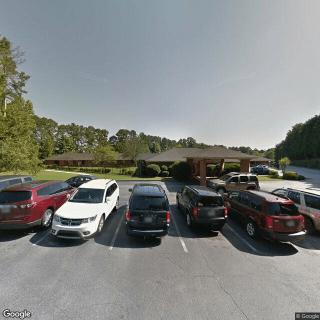
- The exterior is well maintained and the interior is notably clean.
- The staff are polite, caring, and readily answer questions.
- Families can visit and spend time with loved ones to get a feel for the place, with staff making it comfortable.
- Personal furnishings are welcomed to make rooms feel more homey.
- The staff go above and beyond to please residents.
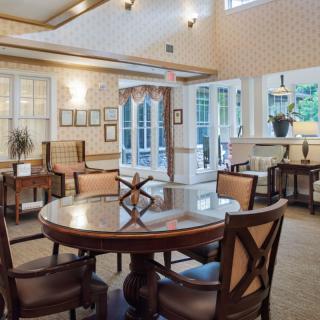
- The rooms are clean, pleasant, and homey, with home-cooked meals.
- Residents can socialize, watch TV together, and enjoy a nice outdoor area that is fenced.
Review
Good Faith Personal Care Home in Snellville, GA is best suited for families seeking a small, home-like assisted living option where personal attention and a warm, flexible environment are the core strengths. This community feels like a private residence with a calm pace, where residents can personalize their space, share meals, and engage with staff who know them by name. It is ideal for older adults who prize comfort, direct access to caregivers, and the sense of “being at home” rather than in a formal institution. The emphasis on a homey atmosphere, clean surroundings, and simple social routines makes it particularly appealing for seniors who don’t require extensive clinical oversight but still want reliable daily support.
Those who may want to consider alternatives are residents with higher medical complexity or those seeking robust, on-site programming and specialized memory care. If the priority is a wide array of structured activities, a larger campus with more professional resources, or aggressive medical management, a different setting may deliver more of what is needed. Families should also weigh the potential tradeoffs of a small, house-style model against the predictably formal routines and broader amenity set that come with bigger facilities. In short, this option excels in warmth and responsiveness but may fall short for needs that demand intensive clinical oversight or expansive programming.
The strongest positives center on cleanliness, approachability, and genuine attentiveness. The facility presents as meticulously maintained, both outside and inside, which immediately signals a respectful, well-managed environment. Staff members come across as polite, patient, and willing to answer questions, with a readiness to accommodate personal furnishings so the space feels truly homey. The meals stand out as a notable strength, home-cooked fare that can be modified to suit individual tastes and preferences, reinforcing comfort and satisfaction. This flexibility around food, plus the permission to tailor the room with familiar belongings, translates into a sense of autonomy and dignity for residents.
Another cornerstone is the personalized, responsive care culture. The staff’s willingness to “bend over backwards” to please residents is not rhetoric but practice, evidenced by their proactive communication when health issues arise, such as promptly informing families if a resident isn’t feeling well. Socially, residents are not isolated: they travel together, watch television, and enjoy time outdoors in a fenced, safe yard. The combination of a home-like setting with consistent, attentive staffing creates a predictable, low-stress daily rhythm that can be incredibly valuable for seniors who value familiarity, security, and a strong caregiver relationship.
Where the model’s strengths are most evident, they also illuminate potential constraints. The pros, personalized care, flexible meals, intimate setting, and easy access to staff, offset the absence of vast programming and extensive medical amenities for many families. In practice, this translates into fewer moving parts to manage, less rigidity, and more opportunities to tailor routines and meals to individual preferences. The main tradeoff is a smaller footprint: there may be fewer on-site specialists, fewer scheduled activities, and a less formalized care plan than found in larger facilities. For families prioritizing warmth and quick caregiver response, these tradeoffs are a fair exchange.
In the end, Good Faith Personal Care Home stands out as a practical, high-satisfaction option for seniors who want a genuine home atmosphere, highly responsive staff, and the flexibility to bring familiar touches from home. It is not the first pick for those chasing extensive medical programming, heavy clinical oversight, or a campus with a wide array of structured activities. For families weighing a “home away from home” experience against the realities of medical complexity, this community offers a strong balance: heartfelt, attentive care delivered in a clean, comfortable, and socially engaging environment. Prospective families should inquire about room configurations, exact staffing ratios, meal customization limits, and how medical issues are escalated to ensure alignment with care expectations and budget.
 3 resident community capacity
 Assisted Living
 Board and Care Home
 Respite Care
 Cable or satellite TV
 Dining room
 Fully furnished
 Garden
 Housekeeping services
 Move-in coordination
 Outdoor space
 Telephone
 Wi-Fi/high-speed internet available
 24-hour supervision
 Activities of daily living assistance
 Assistance with bathing
 Assistance with dressing
 Assistance with transfers
 Diabetes diet
 Meal preparation and service
 Medication management
 Special dietary restrictions
 Transportation arrangement (medical)
 Transportation to doctors appointments




 When to Transition from Assisted Living to Memory Care: Key Indicators, Steps, and Finding the Right Community
 Assisted Living and Memory Care: Understanding Their Core Differences
 Beyond the Bingo Hall: 50+ Enriching Activities for Seniors in Assisted Living