

2795 Scenic Hwy 124, Snellville, GA 30078
To contact a resident: (678) 923-9981
For more information about senior living options: (866) 208-4318
Emory Senior Living Costs & Pricing
Emory Senior Living offers an appealing and competitive pricing structure, particularly for its private rooms, which are priced at $1,200 per month. This cost stands in stark contrast to the average expenses in Gwinnett County, where similar accommodations can reach approximately $2,551, and even more so when compared to the broader state of Georgia, where the monthly rates soar to around $2,864. The significant savings presented by Emory Senior Living not only reflect a commitment to affordability but also suggest a favorable option for those seeking quality senior living facilities without compromising on essential care and community support.
| Floor plans | Emory Senior Living | Gwinnett County | Georgia |
|---|---|---|---|
| Private | $1,200 | $2,551 | $2,864 |
Senior living communities with a similar price nearby
-
About the same

Serenity Gardens Personal Care Home
$1,200 to $2,000 / month24.2 miles away -
About the same

Kelly Lake Manor PCH
$1,200 / month17.8 miles away -
About the same
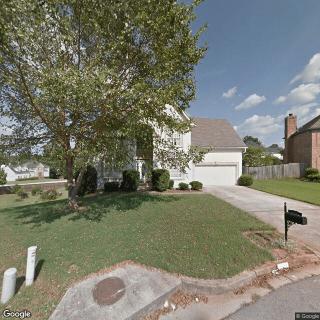
Ebenezer Family Home
$1,200 to $1,500 / month18.4 miles away -
from +$150 / mo

Le'glen Personal Care Home
$1,350 to $2,150 / month21.0 miles away -
About the same

Felicia's Personal Care home
$1,200 to $1,500 / month7.1 miles away
Overall Review of Emory Senior Living
Pros
 Emory is one of the better care communities.
- The food at Emory is much better.
- He gained back much of the weight he had lost in other facilities.
- The people at Emory took much better care of him.
- He was well monitored.
Review
Emory Senior Living in Snellville, GA is best suited for families seeking a dependable, nutrition-forward option where daily oversight feels tangible and meals contribute meaningfully to a resident’s well‑being. This community tends to attract seniors who benefit from regular, attentive monitoring and who place a premium on a dining program that supports appetite and weight maintenance. In practical terms, Emory offers a calm, monitored environment with a kitchen that consistently delivers meals residents and their families perceive as superior to what is often available in comparable settings.
Two recent accounts converge on the same core strengths: the dining program stands out, and the care team appears more attentive and proactive than in many other communities. Families note meals that not only taste better but translate into measurable health gains, including weight restoration after losses seen elsewhere. The combination of better nutrition and ongoing supervision translates into a stronger sense of security for loved ones and their caregivers, reducing anxiety over food intake and daily safety. This practical, results-oriented care pattern is the cornerstone of Emory’s appeal.
Yet there are clear boundaries to what Emory typically delivers. Those evaluating options should explicitly consider alternatives if clinical acuity is high or if dementia-specific programming is a primary requirement. For residents needing intensive medical management, post-acute rehabilitation with aggressive therapy, or specialized memory-care pathways, other communities with deeper clinical teams and tailored memory programs may be preferable. Emory’s strengths in dining and routine monitoring do not substitute for a facility built around high-level medical interventions or advanced cognitive-care needs.
The way the observed strengths interact with potential gaps produces a practical judgment: the improved nutrition and vigilant oversight directly mitigate two of the most common risk factors in senior care, malnutrition and safety lapses. When meals are effectively managed and residents are consistently monitored, the risk of weight decline drops and safety concerns around mobility or medication management become more controllable. In short, the strongest pros here, nutritional quality and steady supervision, do a good job of offsetting the generic downsides that often appear in similar communities.
The rating and review base, 4 stars from two experiences, signals a solid, consistent level of satisfaction, but the small sample invites cautious interpretation. Prospective families should treat that as a reason to verify current conditions through a visit, a frank dialogue with the care team, and a review of actual care plans and menus. It’s prudent to request a meal tasting, observe dining room routines, and speak with both the nursing staff and a dietitian. See how weight trends are tracked, how care plans are adjusted, and whether the monitoring routines align with the resident’s daily needs and preferences.
Bottom line: Emory Senior Living is a practical, well-suited choice for families prioritizing dependable oversight and a dining program that demonstrably supports weight maintenance and overall well-being. The strongest endorsement comes from nutrition and monitoring outcomes that translate into tangible daily safety and health benefits. For families whose loved one requires more intensive clinical care or dementia-focused programming, it is wise to compare options that explicitly market robust medical services and memory-care specialization. A candid tour, direct conversations with caregivers, and review of individualized care plans will confirm whether Emory meets the specific medical and cognitive needs of the resident in question.
 Board and Care Home
 Private





 A Closer Look at Private Pay Home Care
 Comprehensive Approaches for Arthritis: A Detailed Guide to Symptoms, Causes, and Care
 Comprehensive Insights and Practical Strategies to Help Older Adults Avoid Falls