
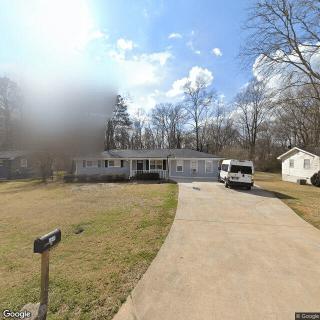
3247 Valley View Lane, Powder Springs, GA 30127
For more information about senior living options: (866) 208-4318
Overall Review of Living Well Pch
Pros
 The Jubilee Personal Care Home staff consistently keeps residents safe, secure, and happy.
- The staff are described as family, caring for residents as if they were their own.
- Jubilee provides peace of mind through dignity, safety, and love.
- The day program offers meaningful connections, engaging activities, and a sense of community that helps residents thrive.
- Jubilee is praised for transparent, attentive communication with families about appointments, care, and medical needs.
- Families consider Jubilee a true blessing and a place where loved ones are safe, respected, and cherished.
- The overall environment is warm, compassionate, and supportive.
Cons
 They endured a traumatic experience at another facility.
- Their son suffered physical abuse and was left unattended overnight at that facility, resulting in two hospitalizations.
Review
This community is best suited for families seeking a safe, compassionate, home-like setting for a loved one with special needs in Powder Springs, Georgia. Jubilee Personal Care Home shines as a place where safety, security, and emotional well-being are treated as non-negotiables. The staff are described as warmth-driven and deeply devoted, creating an environment where residents look forward to visiting relatives and returning to “home.” A standout feature is the presence of a day program that extends care beyond the residential setting, offering meaningful connections and structured activity that help residents thrive. Families facing emotional wear from past care experiences may find Jubilee’s approach to dignity, respect, and attentive care to be a stabilizing, almost transformative factor.
Those who should consider alternatives are families whose loved ones require hospital-level medical oversight or intensive clinical services on a round-the-clock basis. Jubilee operates best as a personal care home with a strong emphasis on safety, companionship, and day-program engagement rather than a full-service medical facility. For residents with complex medical needs, the absence of on-site, highly specialized nursing or equipment-intensive care could necessitate a facility with greater clinical capacity. geographic access and the availability of physicians, therapists, or acute care resources should factor into decision-making for families weighing this option against larger, more clinically oriented communities.
The strongest pros center on trust, safety, and relational care. The environment is described as a true extension of family life, with staff who “care for our son as if he were their own.” This relational velocity matters: it translates into consistent monitoring, prompt attention to changes in health or behavior, and a partnership-style approach in coordinating doctor appointments, medications, and day-to-day well-being. The transparency highlighted by families, frequent updates and open discussions about medical plans, helps families feel involved rather than left in the dark. When safety, dignity, and emotional security are the primary metrics, these advantages are not merely nice-to-haves but essential pillars that support ongoing quality of life.
The day program component stands out as a practical, value-added asset. It extends engagement beyond the home, delivering community connections, structured activities, and a sense of purpose that complements in-house care. For families, this translates into fewer disruptive worries about social isolation and more confidence that the loved one remains integrated in meaningful routines. The reciprocal dynamic, resident happiness at home visits and genuine affection from staff, offers a reassuring signal to caregivers that the setting is not just compliant but genuinely beneficial. In short, the combination of a compassionate staff culture and a robust daytime program creates a holistic care ecosystem that buffers against loneliness and decline.
Potential drawbacks, while not overtly highlighted in the reviews, are worth weighing carefully. A small, home-like personal care setting can inherently limit access to advanced medical interventions, specialized equipment, and a broader cadre of clinical professionals that larger facilities might furnish. For families with aggressive rehabilitation goals, highly complex medication regimens, or the expectation of around-the-clock skilled nursing, Jubilee may fall short of those specifications. Staffing consistency and turnover are also practical considerations in intimate care homes; families should inquire about caregiver ratios, the backgrounds of direct-care staff, and contingency plans for weekend or holiday coverage to ensure continuity of care during transitions or emergencies.
In deciding, families should prioritize a match between care style and medical needs. Jubilee Personal Care Home in Powder Springs appears to deliver exceptional safety, warmth, and family-like collaboration, with a meaningful day program that keeps residents engaged and connected. For loved ones who thrive in a small, emotionally attentive setting and do not require continuous hospital-level medical support, this model offers a compelling, often transformative option. If, however, the desired level of clinical capability, specialized therapies, or scale is non-negotiable, alternatives with larger clinical staffs and broader service arrays should be pursued. The prudent next step is a structured visit: meet the care team, observe interactions, review daily schedules, confirm medication practices, and request references from families with similar choices.
 4 resident community capacity
 Assisted Living
 Board and Care Home
 Cable or satellite TV
 Dining room
 Fully furnished
 Garden
 Housekeeping services
 Move-in coordination
 Outdoor space
 Telephone
 Wi-Fi/high-speed internet available
 William B Hartsfield-Atlanta International (21 miles away)
 24-hour supervision
 Activities of daily living assistance
 Assistance with bathing
 Assistance with dressing
 Assistance with transfers
 Diabetes diet
 Meal preparation and service
 Medication management
 Special dietary restrictions
 Transportation arrangement (medical)
 Transportation to doctors appointments



 Senior Transition Services: Understanding Their Role, Cost, and Importance
 Exploring the Path to Senior Living: A Comprehensive Look at Independent Living and Assisted Living
 Is Assisted Living Deductible on Your Taxes? Understanding the Complexities of Assisted Living Expenses and Deductions